



The Philosophy of 'Hygge' and Simplicity
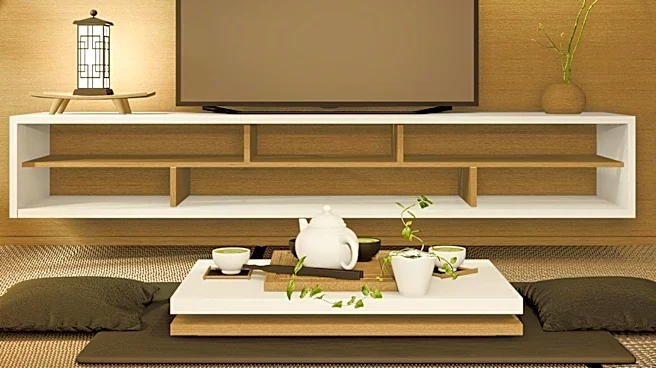
At the heart of Danish design is a concept called hygge (pronounced hoo-gah), which translates to a feeling of cozy contentment and well-being. This isn't about extravagance; it's about creating a warm, inviting, and human-centered atmosphere. Danish modernism,
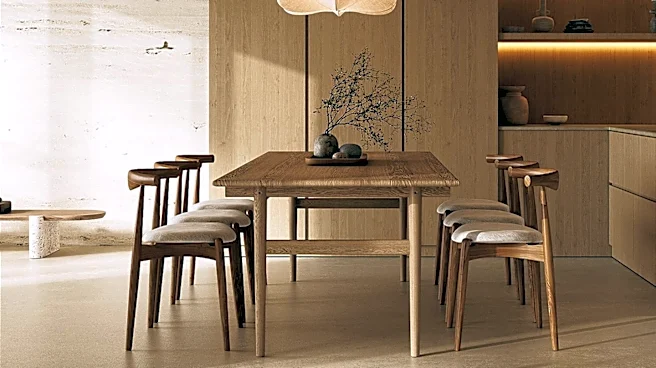
which flourished in the mid-20th century, championed simplicity, functionality, and beautiful craftsmanship. Designers like Arne Jacobsen and Hans Wegner created pieces—such as the iconic Egg Chair and Wishbone Chair—that were meant to be beautiful, comfortable, and, most importantly, lived with. These items were designed to last a lifetime, not to be replaced with passing trends. This focus on enduring quality is precisely why they work so well as the anchor in a mixed-style room.
Choose Your 'Hero' Piece Wisely
The high-low approach works best when you invest strategically in a single “hero” piece. This is your statement-maker, the item that elevates the entire room. It could be a sculptural lounge chair, a beautifully crafted dining table, or a classic floor lamp. A genuine Hans Wegner chair or a Poul Henningsen lamp is more than just furniture; it's a piece of design history that brings with it a story of craftsmanship and quality materials like natural wood and woven papercord. By investing in one significant item, you create a focal point. This piece sets the tone, and its quality and design integrity will cast a halo effect over the more accessible items around it, making everything look more considered and cohesive.
The Smart Role of Mass-Market Basics
This is where your favorite affordable retailers come in. Think of mass-market basics from places like IKEA, Target, or West Elm as the supporting cast. They are not meant to compete with your hero piece, but to complement it. A simple, neutral-colored sofa with clean lines provides the perfect backdrop for a statement-making designer armchair. A basic, well-proportioned bookcase can be filled with personal objects that add character. These items are the functional workhorses of your home. Designers often use this strategy to manage budgets, saving on things like simple shelving, side tables, or even wardrobe interiors so they can redirect funds toward items that make a bigger visual impact. The key is to choose basics with simple forms, clean lines, and a neutral palette that don't scream for attention.
How to Master the Mix
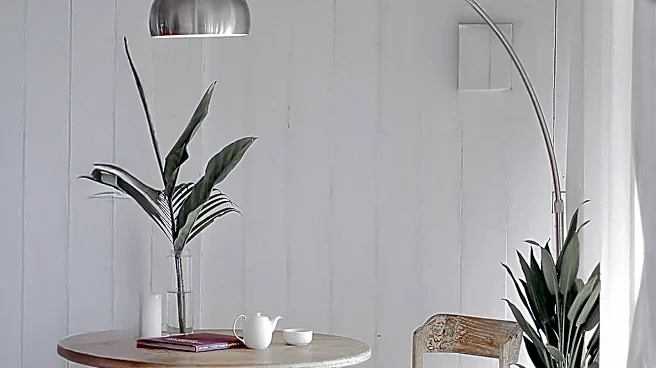
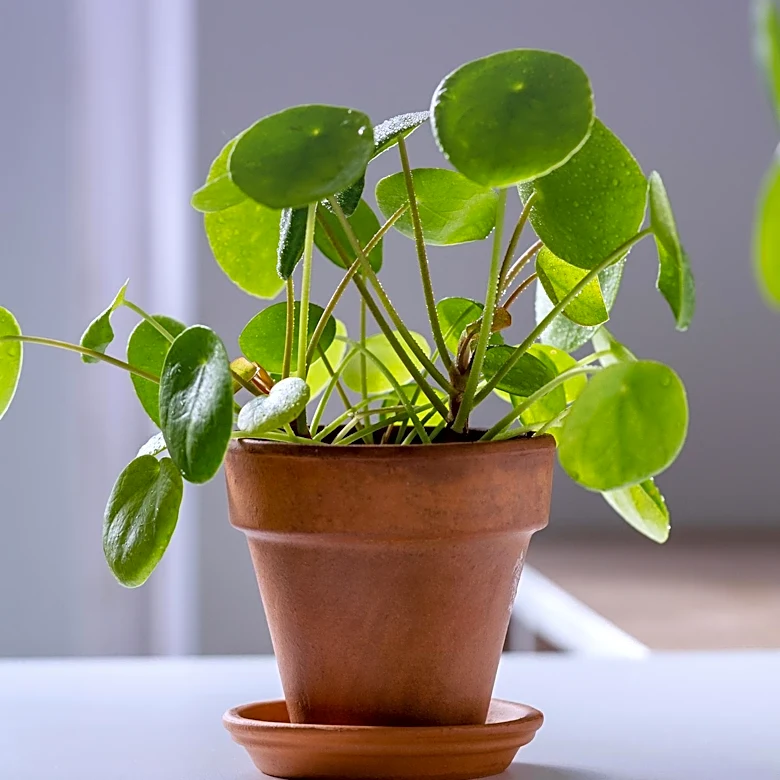
Successfully blending high and low isn't about randomly throwing things together. It's a deliberate art. First, create harmony through color and material. A consistent color palette—think soft neutrals, whites, and grays common in Scandinavian design—can tie a designer oak table and a mass-market sideboard together. Likewise, repeating textures, like wool, linen, or light woods, creates a sense of unity. Next, pay attention to scale and proportion. Your investment piece shouldn't overwhelm the space, nor should it get lost among clutter. Give it room to breathe. Finally, the most important ingredient is you. Personal touches like books, travel souvenirs, plants, and artwork are the glue that binds the high and low elements. These objects tell your story and transform a curated room into a personal, welcoming home.