


The 'Hard Way' Is a Dead Phone
Learning the hard way means spending an hour in a queue for a charging station while your favorite DJ plays, or worse, getting separated from your group with no way to reconnect. Your phone is your map, your ticket, your wallet, and your camera. In a sprawling
festival ground, losing it to a dead battery means you're suddenly cut off. The strategy isn't just about bringing a charger; it's about bringing the right one and using it smartly to avoid the panic of that dreaded 1% warning.
It’s About Capacity, Not Just Any Charger
That slim, lipstick-sized charger you use for emergencies won't survive a three-day festival. The key spec to understand is milliamp-hours (mAh), which measures capacity. A typical smartphone battery is around 4,000-5,000mAh. For a single-day event, a 10,000mAh power bank, which provides about two full charges, is the sweet spot. For a weekend camping festival, you should be looking at 20,000mAh or more. This much larger capacity can deliver four to five full charges, enough to get you and maybe a friend through the entire event without anxiety.
Think About Features That Actually Matter
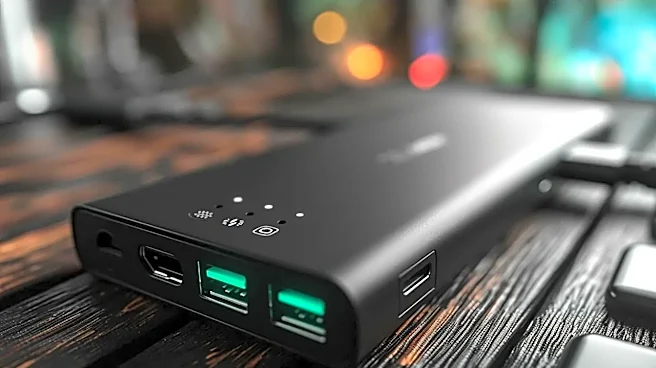
Beyond raw capacity, look for features built for the chaos of a festival. Multiple USB ports are a must for sharing power at your campsite. Fast-charging technology, like USB-C Power Delivery (PD), is essential for getting a significant boost (like 50% battery) in the 30 minutes you have between sets. Some modern power banks even have built-in cables, saving you from frantically searching your bag for a tangled cord. And don't overlook durability. A power bank that can withstand a little dust or a splash of rain is a wise investment.
Your Charger Needs a Charger, Too
A 20,000mAh power bank is a lifesaver, but it's useless once it's drained. Part of a good strategy is planning how to recharge your main power source. If you’re not camping and have access to an outlet at a hotel or Airbnb each night, you’re set. For campers, this is trickier. Some people adopt a two-charger system: a massive one that stays at the tent and a smaller 10,000mAh one to carry into the festival itself. This minimizes the weight in your pocket while ensuring you have a full backup waiting for you at the end of the night. Solar chargers can also be a supplementary option at the campsite, but they're often too slow to be a primary power source.
Adopt a Low-Power Mindset
The best way to save power is to use less of it. Your portable charger is a safety net, but good habits are your first line of defense. Before you even leave for the day, put your phone in Low Power Mode. Turn down your screen brightness, which is a major battery drain. Download the festival map and set times for offline viewing so your phone isn't constantly searching for a weak cell signal. Every bit of power you save by being mindful is power you don't have to replenish later, keeping your charger ready for when you truly need it.