







The Price of Paradise
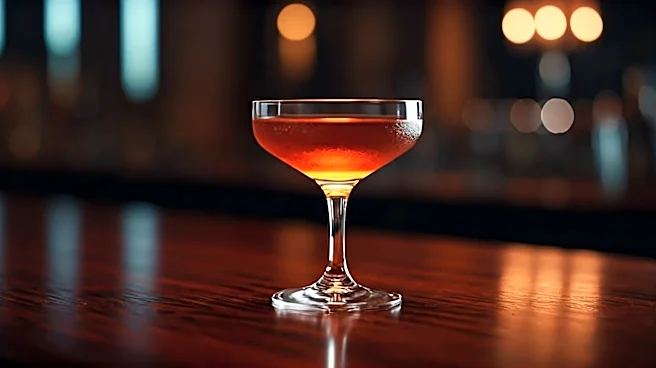
Every May, the global film industry descends upon the sun-drenched shores of Cannes, France. For two weeks, the city’s population swells with A-list stars, powerful producers, ambitious directors, and a sea of journalists and hopefuls. The epicenter of this glittering chaos isn't just the red carpet; it’s the bars of the grand hotels lining the Boulevard de la Croisette, like the Carlton Cannes or the Hôtel Martinez. This is where deals are made, careers are launched, and an astonishing amount of money is spent on drinks. The fabled '$500 cocktail' is less a specific menu item and more of a perfect symbol for the festival's jaw-dropping extravagance. While you might not find that exact price listed for a standard martini, you will find bills
that reach that stratosphere with alarming ease. A simple gin and tonic can run you €40. A glass of champagne? Easily €50. If you opt for a rare vintage or a top-shelf spirit, that $500 figure becomes entirely plausible, especially after a service charge. These prices aren’t mistakes; they are a core part of the festival's business model and its intoxicating culture of excess.
The Economics of the Croisette
To understand the bar tab, you have to understand the festival's unique economic bubble. Cannes is a small city. When the festival is on, demand for everything—from hotel rooms to a bottle of water—skyrockets, while supply remains fixed. Hoteliers and restaurateurs have a two-week window to make a massive portion of their annual revenue. They have a captive audience of people who *must* be there for their jobs and who have expense accounts to burn. This creates an environment of what economists might call 'aggressive price positioning.' A luxury hotel isn't just selling you a cocktail; it’s selling you proximity to power. That €40 gin and tonic buys you the right to occupy a chair next to a studio head who could finance your next film. The hotel knows this. The patrons know this. The price isn't for the ingredients in the glass; it’s the admission fee for a few square feet of the most valuable real estate in the entertainment world. For studios and production companies, these tabs are a rounding error in a multi-million-dollar marketing budget, filed under the cost of doing business.
A Drink Is Not Just a Drink
In the high-stakes social theater of Cannes, a bar tab is a performance. It’s a non-verbal cue that communicates status, confidence, and success. When a producer smoothly picks up a four-figure tab for a table of agents and actors, they aren't just being generous. They're sending a message: 'I am successful. My projects are funded. I have the resources to make things happen.' It’s a carefully calibrated power play, as crucial as any pitch meeting. For aspiring filmmakers or actors, the dynamic is different but equally strategic. Nursing a single, expensive drink for two hours is a rite of passage. It's an investment in visibility. The goal isn't to get drunk; it's to be seen, to overhear a crucial conversation, or to seize a fleeting opportunity to introduce yourself to someone who could change your life. The bar is a networking space disguised as a party, and the cost of entry is a wildly overpriced beverage. In this context, the drink is simply a tool—a ticket to the game.
Who's Actually Paying?
The dirty little secret of the Cannes bar scene is that very few people are paying for these legendary tabs out of their own pockets. The ecosystem is built on corporate credit cards. Studio executives, sales agents, and distributors are all operating on expense accounts. For them, dropping €5,000 on drinks and appetizers over a long evening of schmoozing is a standard business expenditure, no different from renting out a yacht for a party. Then there are the stars. Their bills are almost always covered by the studio promoting their film or a luxury brand they're representing. The truly wealthy—the billionaires and industrialists who visit Cannes for the spectacle—pay for themselves, but the cost is trivial. The ones who truly feel the sting are the independent creators, the journalists on a tight per diem, and the film students who saved up all year just to be near the action. For them, that one expensive cocktail is a significant, and often painful, purchase—a small taste of a world they hope to one day fully inhabit.