



The Last Unbroken Promise of Childhood
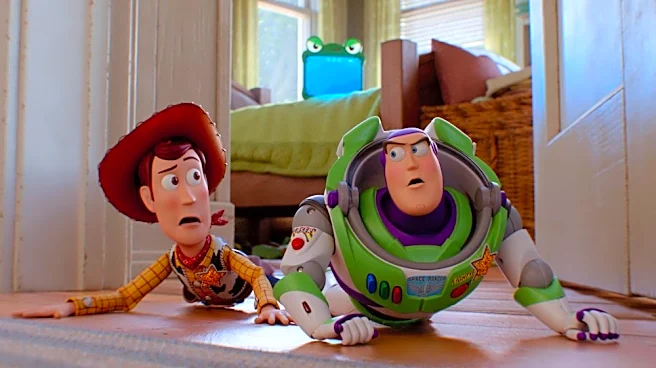
For anyone born between the early '80s and mid-'90s, the original *Toy Story* wasn't just a movie; it was a technological and emotional earthquake. It was the first time many of us saw our own interior lives—the secret world of our toys—rendered with
such breathtaking reality. Woody and Buzz weren't just characters; they were extensions of our own imaginations. We grew up with Andy. His journey was our journey. The franchise masterfully mirrored our own maturation. *Toy Story 2* deepened the lore and explored the fear of being left behind. *Toy Story 3* was a cinematic gut-punch, a perfect, tear-soaked farewell to childhood that coincided with many Millennials leaving for college or starting their own adult lives. It was, for all intents and purposes, a perfect ending. *Toy Story 4* felt more like a delicate, if slightly unnecessary, epilogue about personal fulfillment. So, the question for this audience isn't just "Will it be good?" but "Why do we need this?" The answer is simple: because we’re not the target audience anymore. Not exclusively, anyway.
A Toy Box Full of Tablets
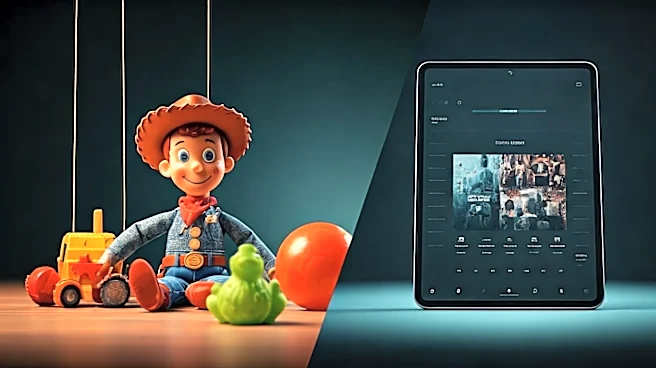
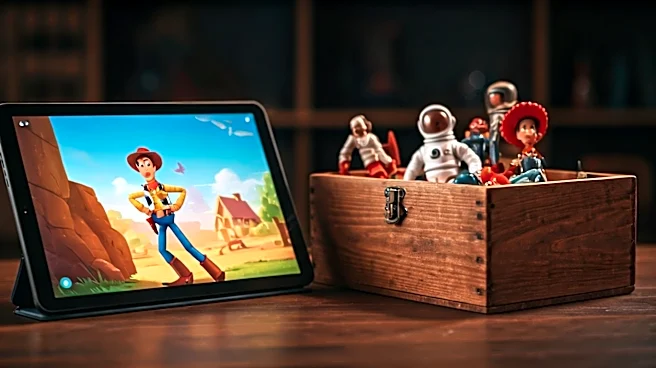
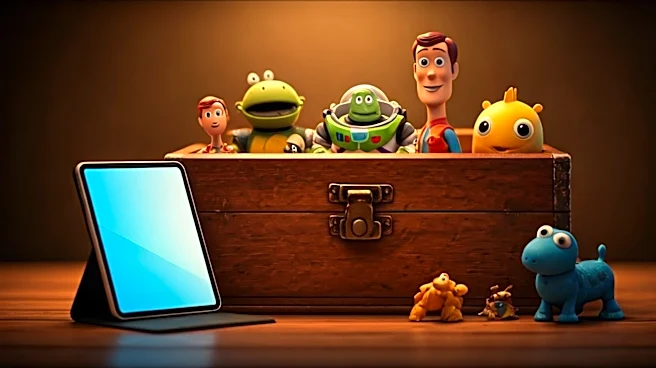
Enter Gen Alpha, the children of Millennials. Their reality of play is fundamentally different. While the core desire to imagine and create remains, the tools have changed dramatically. The toy box now competes with—and is often integrated into—a digital world. A favorite character might originate from a YouTube series, a mobile game, or a 15-second TikTok dance. Entertainment is on-demand, algorithmically curated, and often interactive in ways a traditional narrative film isn't. This is the audience *Toy Story 5* must truly win over. For them, Woody and Buzz aren't foundational texts; they’re classic characters from their parents’ favorite movies. Can a story about a pull-string cowboy and a space ranger who isn't a VTuber compete with the instant gratification of *Cocomelon*, the family dynamics of *Bluey*, or the endless universe of *Roblox*? Pixar’s challenge isn’t just telling a good story, but telling a story that can command attention in the most fractured and saturated media environment in history. The film has to feel essential not just to parents, but to kids who have endless other options a swipe away.
The Andy's Mom Conundrum
Herein lies the central dynamic of *Toy Story 5*. The Millennials who once identified with Andy are now, quite literally, Andy’s Mom (or Dad). We are the ones buying the tickets, the Happy Meals, and the inevitable wave of new merchandise. The film’s success hinges on its ability to execute a perfect generational handoff. It must activate our deep-seated nostalgia, reminding us of the magic we felt in 1995, while simultaneously creating a new entry point for our own children. This isn't a new trick for Disney, but the gap has never been wider. It’s one thing to remake *The Little Mermaid* for a new generation; it’s another to continue a story whose emotional weight is built on 30 years of shared history with a specific cohort. The film must work on two levels. For parents, it's a continuation of a beloved saga. For kids, it must function as a thrilling, hilarious, and emotionally resonant standalone adventure. If it leans too hard into nostalgia, it risks boring its new audience. If it panders too much to modern trends, it risks betraying the franchise's timeless heart.
Can Woody and Buzz Compete with Bluey?
The smartest kids’ entertainment today, like the Aussie mega-hit *Bluey*, excels at this dual-audience appeal. Kids laugh at the games and the silly antics of the Heeler family, while parents are quietly weeping at a poignant lesson about parenting, memory, or letting go—all in seven minutes. This is the standard *Toy Story 5* must meet. With Tim Allen and Tom Hanks reportedly returning, the familiar comfort of their voices will be a powerful anchor for Millennials. But the story itself has to justify its existence. It needs a premise that feels urgent and relevant to the world of play in 2026, not 1996. Will the toys have to navigate a smart home? Does a new child character get their first tablet and forget them? These aren't just plot devices; they are the lived reality of the modern family Pixar is trying to reach. The movie has to acknowledge that the world has changed since Andy's room, and the nature of being a toy has changed with it.