



The Sculptor vs. The Conductor
To understand the difference, think of two types of artists. The single-camera editor is a sculptor. A show like a prestige drama is shot with one or two cameras at a time, collecting hours of footage—the raw marble. In the quiet solitude of an edit bay,
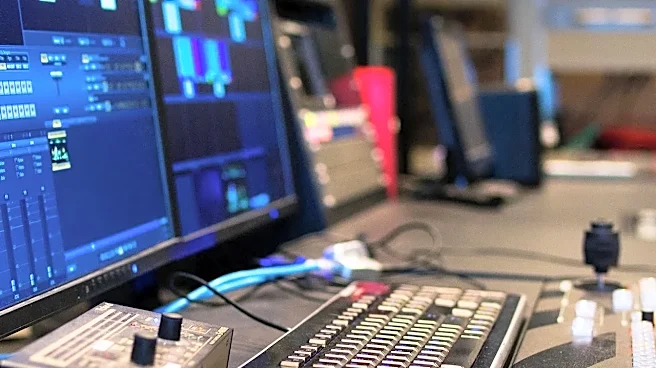
the editor spends weeks or months painstakingly chipping away, selecting the best takes, angles, and moments to construct a scene. They can rewind, reconsider, and refine. It’s an art of meticulous, deliberate construction, focused on building a perfect sequence from a mountain of options after the fact. The multi-camera editor, on the other hand, is a live orchestra conductor. They stand in a control room, watching a bank of monitors displaying feeds from three, four, or even a dozen cameras simultaneously. As the action unfolds on the stage below—whether it's a sitcom performance, a late-night monologue, or a musical guest on Saturday Night Live—they are making decisions in the moment. They aren’t just preparing to edit later; they are, in many ways, editing live. This real-time edit, created by switching between camera angles as the event happens, is called the "line cut."
An Art of Rhythm and Reflex
This live environment demands a skill set entirely alien to the post-production world of single-camera editing. The primary tool is not patience, but reflex. A multi-camera editor, or the director and technical director team performing this role, must possess an impeccable sense of rhythm and timing. For a sitcom, it means cutting to the actor delivering the punchline exactly as they say it, then immediately cutting to another character’s reaction to land the joke. A split-second delay kills the laugh. For a live musical performance, it means anticipating a guitar solo and switching to the close-up on the musician’s hands at the perfect moment. There are no do-overs. What gets chosen for the line cut is often what goes to air, especially in live broadcasts. This requires an almost clairvoyant understanding of comedic pacing, dramatic beats, and the flow of a performance. It's a high-wire act performed under immense pressure, where decisions are made in fractions of a second.
Cleaning Up the Live Performance
Of course, not all multi-camera shows are broadcast live. For sitcoms taped before a studio audience, like classics Cheers or The Big Bang Theory, the line cut serves as the primary draft of the episode. While all camera angles are typically recorded separately (known as ISOs, for "isolated" feeds), the post-production process is about refinement, not reinvention. The editor's job is to perfect the performance that was captured live. They might swap out a missed cue from the line cut with a better angle from an ISO feed, trim a pause for comedic effect, or smooth over a flubbed line. But the core structure, energy, and rhythm were all established during that initial, high-pressure taping. The editor is polishing a live performance, not building one from scratch. This is fundamentally different from a single-camera editor who might be creating a scene's entire rhythm for the first time in post-production.
Why the Emmys Keep Them Separate
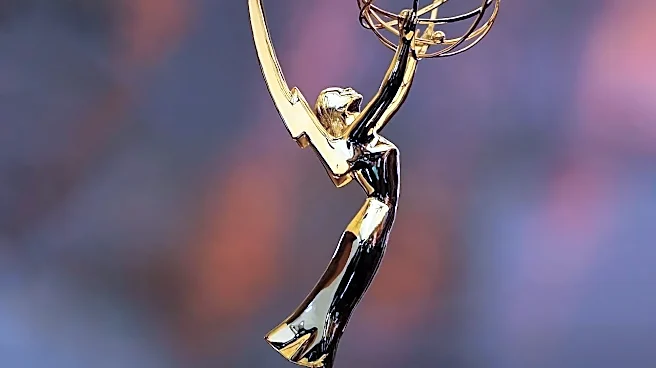
This distinction is precisely why the Creative Arts Emmys have a dedicated category for "Outstanding Picture Editing for a Multi-Camera Comedy Series." The Television Academy recognizes that judging a multi-camera editor's work alongside a single-camera editor's is an apples-and-oranges comparison. One is honored for their ability to conduct a live symphony of cameras, capturing energy and spontaneity in the moment. The other is celebrated for their ability to meticulously sculpt a narrative from raw materials over time. Recent Emmy recognition for the revival of Frasier underscores the continued appreciation for this specific craft. The award doesn’t suggest one skill is superior to the other; it acknowledges that they are two distinct, demanding, and vital disciplines within the art of television.