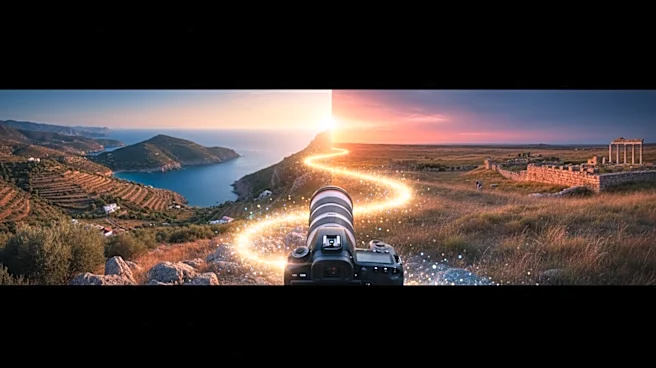






The Ithaca Lens: Capturing Homecoming
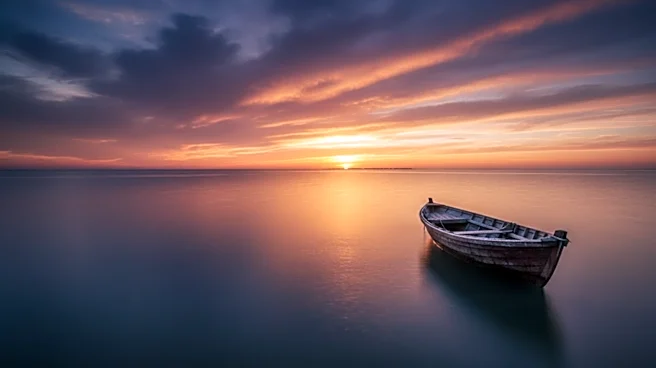
In Homer’s epic, Ithaca isn't a grand palace; it's the symbol of home, a rugged, deeply loved place defined by nostalgia and belonging. It represents the end of a long journey, a return to intimacy and identity. How do you photograph a feeling like that?
You get close. This is the work of a prime lens, specifically a 35mm or 50mm. These lenses, with their fixed focal length, force you to “zoom with your feet.” You can’t stand back and observe; you must move within the scene, becoming part of it. This physical closeness creates a powerful sense of intimacy in the final image, mirroring Odysseus’s personal, hard-won return. Prime lenses are also typically sharp and have wide apertures (like f/1.8), allowing you to beautifully blur the background and isolate your subject—a loved one's face, a familiar landmark—making it the clear heart of the story. They excel at capturing warmth, detail, and the quiet, cherished moments that define what home really means.
The Trojan Lens: Framing Grandeur and Conflict
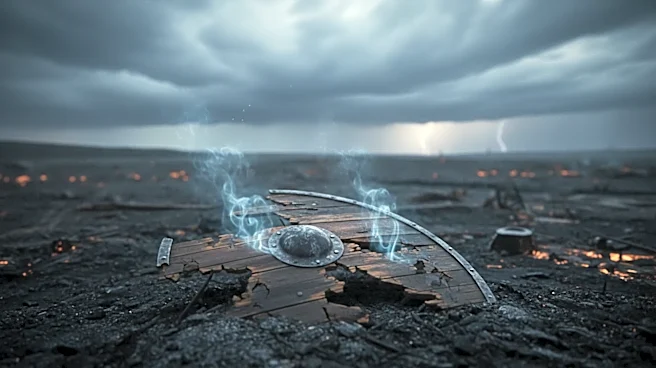
Troy is the opposite of Ithaca. It is a stage for epic conflict, a city of high walls, vast plains, and the ghosts of heroes. It’s a place of grandeur, drama, and distance. To capture its essence, you need a lens that can manage that scale and intensity: the telephoto zoom. A lens like a 70-200mm is a master of isolation and compression. From a distance, you can pick a single detail out of the chaos—one windswept battlement, a solitary figure in a field of ruins—and make it the entire story. Telephoto lenses also create an effect called compression, where background elements appear stacked closer to the foreground than they really are. This is perfect for conveying the immense, layered history of a place like Troy, making distant mountains or crumbling walls feel like an imposing, immediate presence. It’s the lens for emphasizing scale, isolating drama, and telling a story of power and consequence from a deliberate, thoughtful distance.
The Mythic Islands Lens: Documenting the Journey
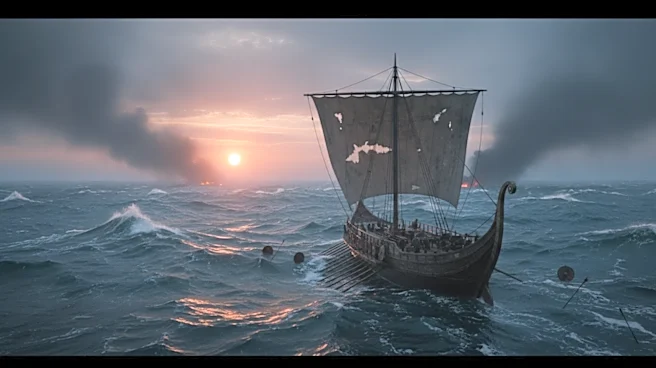
Between the war at Troy and the return to Ithaca lies the journey itself—the unpredictable odyssey across the wine-dark sea, dotted with strange, mythic islands. This is the realm of adventure, discovery, and constant adaptation. For this, a photographer needs versatility above all, which points to one indispensable tool: the wide-angle zoom. Lenses like a 16-35mm are built for capturing the sheer scale of the world. They allow you to frame a vast, sweeping seascape in one moment and then, without changing lenses, capture the tight confines of a mysterious cave or a bustling port town in the next. Wide-angle lenses are known for exaggerating depth, making foreground elements feel more prominent and pulling the viewer into the scene. This creates a feeling of immersion, of “being there” for every twist and turn of the adventure. It’s the lens for context, for showing not just a subject, but the world that surrounds it, making it the perfect companion for documenting a grand, unpredictable journey.