


The Anti-Trend Wardrobe Anchor
For years, denim trends swung wildly between extremes. First came the ultra-low-rise flares of the early 2000s, followed by the decade-long reign of the skinny jean, which hugged every contour. More recently, baggy and wide-leg styles have had their moment.
The straight-leg jean, however, exists outside this chaotic cycle. Its defining characteristic is its consistency: a clean line that falls straight from the hip to a classic ankle opening. This simple, balanced silhouette is its superpower. By refusing to be the trendiest item in the room, it has become the most timeless, offering a relaxed fit that doesn't feel sloppy and a structure that doesn't feel restrictive. This makes it the perfect antidote to fast fashion's relentless churn, representing a move towards comfort and longevity.
Decoding 'Quality' in Denim
The word “quality” gets thrown around a lot, but in denim, it has a tangible meaning. It starts with the fabric itself. High-quality denim often has a heavier weight, measured in ounces; a 12-ounce or heavier fabric indicates durability. The type of cotton also matters, with long-staple varieties producing stronger yarns. Another hallmark is the weave, which should be tight and consistent. You might hear enthusiasts mention “selvedge” denim, which refers to a traditional weaving process that creates a clean, self-finished edge, preventing fraying and signaling superior craftsmanship. Beyond the fabric, construction is key. Look for a high stitch count per inch (9-11 is a good sign), which creates stronger seams, and robust hardware like copper rivets and sturdy zippers. Investing in quality denim means buying a garment that gets better with age, as the fabric molds to your body and develops unique fades.
The Ultimate Style Canvas
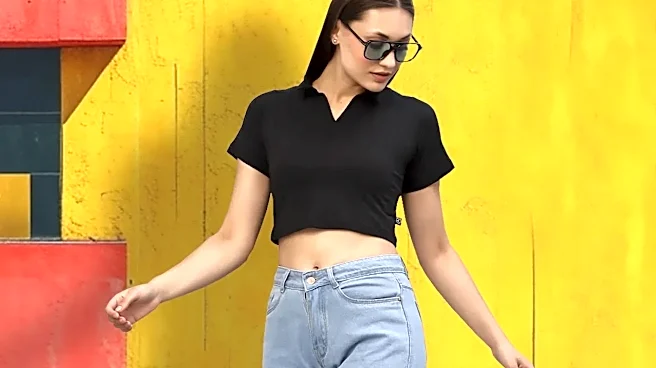
The true genius of the straight-leg jean lies in its unparalleled versatility. It is a neutral foundation upon which almost any look can be built. For a classic, off-duty weekend outfit, pair it with a simple white t-shirt, a trench coat, and sneakers. For a business-casual office setting, the same jeans can be elevated with a crisp button-down shirt, a tailored blazer, and loafers or ankle boots. This cut works with nearly any footwear, from sandals in the summer to boots in the winter. The straight leg’s balanced proportions accommodate both fitted and relaxed tops, allowing you to play with silhouettes. Tucking in a blouse creates a defined waistline, while an oversized sweater offers a more casual, relaxed feel. It’s a single clothing item that effortlessly bridges the gap between casual, professional, and evening wear.
A Statement of Quiet Confidence
Choosing a straight-leg jean is more than a style decision; it’s a statement of self-assurance. In a culture saturated with micro-trends and algorithm-driven aesthetics, opting for a classic signifies a certain sartorial maturity. It says you understand the fundamentals of good design and don’t need loud logos or exaggerated shapes to make an impression. The well-dressed American isn't necessarily the one with the most expensive or trendy wardrobe, but the one who has mastered the art of the high-low mix, grounding their personal style in reliable, well-made basics. The straight-leg jean is the epitome of this philosophy. It's universally flattering, creating a clean, elongating line on virtually every body type without being overtly corrective. It projects an image of being put-together without looking like you tried too hard—the very essence of effortless American cool.