






The National Campfire of 1976
In 1976, America was in a funk. The nation was nursing a hangover from the Vietnam War and the Watergate scandal, grappling with economic uncertainty and social division. And yet, for its 200th birthday, it threw a massive party. The television coverage
of the Bicentennial was a spectacle of unity, a shared experience broadcast into nearly every living room via just three major networks. From the majestic parade of tall ships in New York Harbor to the nationwide fireworks extravaganzas, networks like ABC and CBS offered wall-to-wall coverage that captured a spirit of earnest, if sometimes cheesy, patriotism. Programs like "Bob Hope's Bicentennial Star-Spangled Spectacular" brought together celebrities for feel-good entertainment, creating a sense of a national town square that is almost unimaginable today.
An Archive of Attitude
But the Bicentennial TV archive is more than just a highlight reel of fireworks and sailing ships. It’s a time capsule of the national mood. Series like CBS’s nightly “Bicentennial Minute” became a cultural touchstone, weaving historical trivia into the primetime lineup for over two years. These short segments, often narrated by a familiar celebrity, made history feel immediate and relevant. Even children’s programming got involved, with ABC's "Schoolhouse Rock!" spinning off "America Rock," which memorably taught civics through catchy songs like "I'm Just a Bill." This content wasn't just filler; it was a deliberate effort to create a shared historical narrative. For producers of America 250, these tapes offer a detailed look at how a mass media event can forge a sense of common identity, even when faced with cynicism and division.
The 2026 Challenge: A Fractured Mirror
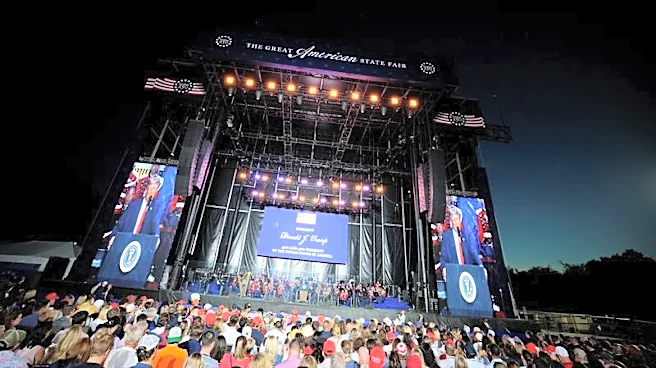
Today’s media landscape is a shattered version of 1976’s mirror. There is no single campfire, only a constellation of disconnected screens. America 250 producers face a hyper-partisan environment where even the act of celebration can be viewed as a political statement. Recent polls show a significant decline in patriotism and a widespread belief that the country isn't living up to its founding ideals, especially among younger Americans. Unlike 1976, where President Ford could speak of a “long national nightmare” being over, today's leaders navigate a landscape where competing organizations, like the congressionally mandated America250 and the Trump-aligned Freedom 250, offer conflicting visions for the celebration. The archive of 1976 isn't a blueprint to be copied, but a case study in navigating national division.
Lessons from the Ghost of Bicentennials Past
So, what are the key takeaways for 2026? The 1976 coverage reveals the power of localism. After initial criticism of a top-down, commercialized approach, the official Bicentennial Commission pivoted to a model that empowered communities to celebrate in their own way, from restoring local landmarks to organizing grassroots historical projects. The TV coverage reflected this, showcasing local events from St. Louis to San Francisco alongside the grand national spectacles. It also serves as a masterclass in tone. While patriotic, much of the coverage maintained a journalistic sobriety, acknowledging the nation's challenges while celebrating its resilience. It managed to balance commercial sponsorship with genuine commemoration, a line that 2026 producers must walk carefully to avoid charges of either soulless commercialism or divisive political maneuvering.