


More Than Just an Oil
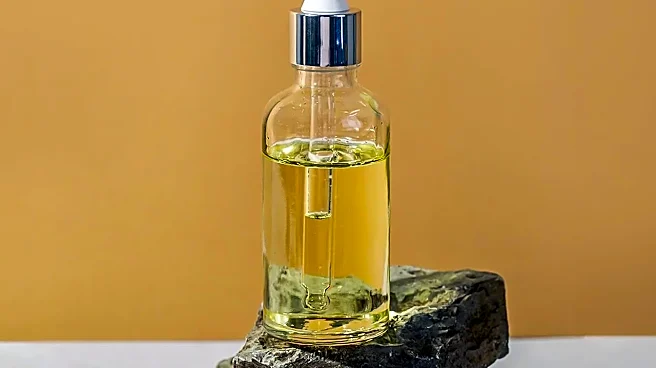
Derived from the kernels of the Moroccan argan tree, argan oil is a complex blend of beneficial compounds. Its power doesn't come from a single magic ingredient but from its team of players working together. The oil is famously rich in vitamin E (tocopherols),
a potent antioxidant. It’s also packed with essential fatty acids—primarily oleic and linoleic acids—which are crucial for skin health. These fats are fundamental building blocks for a healthy skin barrier. The oil also contains other compounds like squalene and polyphenols, which have anti-inflammatory and protective properties, contributing to its overall effectiveness. This composition makes it more than just a moisturizer; it's a multi-faceted tool for skin nourishment.
The Antioxidant Defense System
One of the primary ways skin ages is through oxidative stress caused by free radicals from UV exposure and pollution. This is where argan oil’s antioxidant content truly shines. Vitamin E is a well-known free-radical scavenger, protecting skin cells from the damage that leads to fine lines and loss of firmness. By neutralizing these unstable molecules, argan oil helps shield the skin's existing collagen and elastin from degradation. This isn’t about reversing wrinkles overnight, but about playing a long-term defensive game. It helps slow down the visible signs of aging by protecting the skin from the constant environmental assault it faces every day.
Improving Elasticity and Hydration
Hydrated, supple skin simply looks and feels healthier. As we age, our skin's ability to retain moisture and snap back into place diminishes. Argan oil addresses this in two key ways. First, its fatty acids, particularly linoleic acid, help reinforce the skin’s natural barrier. A stronger barrier is better at preventing transepidermal water loss (TEWL), essentially locking moisture in. Second, studies have shown that regular use of argan oil, both topically and orally, can lead to a significant improvement in skin elasticity, especially in postmenopausal skin. This helps skin feel firmer and reduces the appearance of fine lines that are often exaggerated by dehydration.
A Soothing and Balancing Act
Aging isn't just about wrinkles; it can also involve increased sensitivity and changes in oil production. Argan oil’s anti-inflammatory properties can help calm redness and irritation, making it suitable even for sensitive or compromised skin. And while putting oil on oily skin might seem counterintuitive, argan oil can actually help balance sebum production. Because it has a comedogenic rating of zero, it moisturizes without clogging pores. By providing the skin with the healthy oils it needs, it can help signal the skin to stop overproducing its own, leading to a more balanced complexion over time. This makes it a versatile ingredient that supports overall skin equilibrium as it matures.