



The Rise of 'Blokecore'
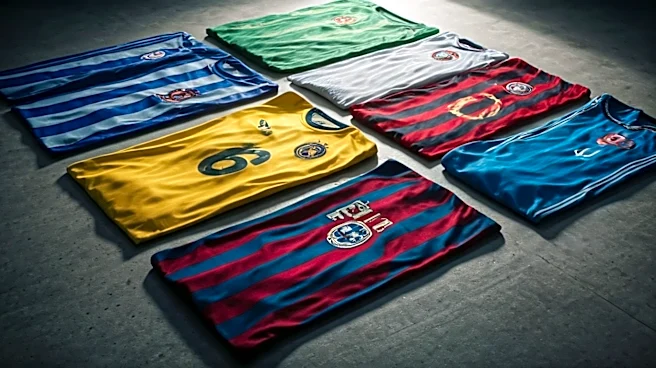
So, what’s the deal? A huge part of the trend is an aesthetic dubbed “blokecore.” The term, which blew up on TikTok, describes a style rooted in the casual look of British soccer fans (“blokes”) from the 1990s. Think a vintage-style soccer jersey, a pair
of straight-leg jeans or track pants, and some classic Adidas Sambas or Gazelles. It’s an effortless, slightly nostalgic look that rejects the overly polished, high-fashion ensembles that have dominated menswear for years. It’s comfortable, accessible, and carries an air of understated cool. For a generation raised on fast-fashion cycles and complex streetwear drops, the simplicity of grabbing a cool jersey and a pair of jeans is a welcome relief. It’s a style that doesn’t try too hard, which is precisely why it feels so current.
Not Your Dad's Polyester Shirt
It also helps that the jerseys themselves have become works of art. Gone are the days of shiny, ill-fitting polyester tops with peeling logos. Brands like Nike, Adidas, and Puma now treat major tournament kits—especially for the World Cup and Euros—as major fashion moments. They know the global audience extends far beyond die-hard fans. The perfect example is Nigeria’s 2018 World Cup kit. With its vibrant green-and-white feather pattern, it became an instant global phenomenon, selling out within minutes and being worn by people who couldn’t name a single player on the team. It was a watershed moment, proving a soccer jersey could be a standalone fashion object, coveted for its design as much as for its team affiliation. Since then, clubs and national teams have leaned in, releasing kits with bold graphics, subtle textures, and collars that nod to vintage designs.
The High-Fashion Co-Sign
The trend didn't just bubble up from the streets; it also got a major push from the top down. High-fashion and premium streetwear brands have been collaborating with soccer clubs for years, blurring the lines between the pitch and the runway. When a hype brand like Palace Skateboards teams up with Italian giant Juventus, or when a celebrated designer like Grace Wales Bonner reimagines the Jamaican national team’s kits for Adidas, the message is clear: this is fashion. These collaborations lend the soccer jersey a new layer of credibility. They're no longer just sportswear; they're limited-edition designer pieces. This trickles down, making even standard-issue jerseys feel more fashion-forward. Celebrities from Rihanna and Bella Hadid to Drake and Travis Scott have been photographed in soccer kits, cementing their status as a legitimate style choice.
A Badge of Global Cool
Ultimately, wearing a soccer jersey has become a low-stakes way to signal a certain kind of identity. In an increasingly globalized world, soccer is the planet’s most-watched sport, and its jerseys act as cultural signifiers. For some, it’s a genuine connection to heritage—wearing the jersey of a parent’s home country. For others, it’s a nod to a city they admire, like Paris (thanks to PSG's fashion-forward branding) or Venice (whose club, Venezia FC, releases some of the most beautiful kits in the world). And for many Americans, where soccer fandom is still growing, wearing a jersey from a European club can feel like an insider move—a way to connect with a global conversation without having to know every detail about the offside rule. It’s a wearable passport, a conversation starter, and an easy way to look cool while doing it.