






The Age-Old Debate: Style vs. Substance
In the world of soccer, no debate is more eternal than the one between the purists and the pragmatists. One side argues that the game has a duty to be beautiful, to inspire with flowing passes and daring attacks. The other side has a simpler, colder creed:
winning is the only thing that matters. A World Cup Final is the ultimate stage for this clash of philosophies. When a team decides to absorb pressure, cede possession, and rely on disciplined organization and lightning-fast counter-attacks, it’s often labeled as “anti-football.” Critics call it cynical and boring, an ugly stain on the beautiful game. Yet, for the coaches who employ these strategies, it's not about destroying beauty; it's about finding the most realistic path to victory. This approach, known as pragmatism, involves tailoring a game plan to exploit an opponent's weaknesses while hiding one's own. If your opponent is a high-powered attacking force, why engage in a firefight you’re likely to lose? The gamble is that discipline can triumph over talent, that a perfectly executed plan can neutralize individual genius.
Ghosts of Gambles Past
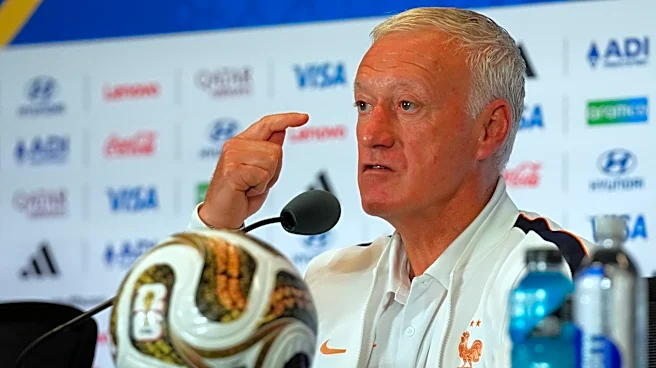
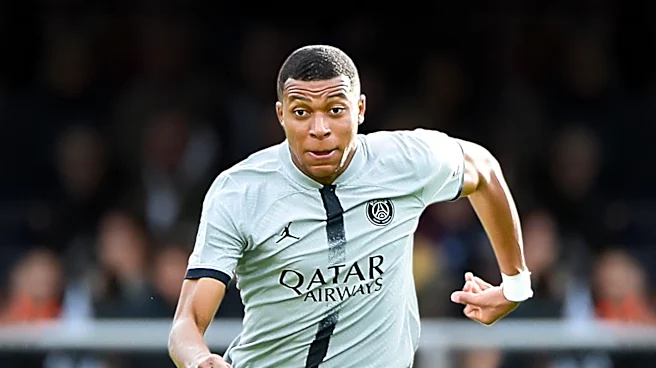
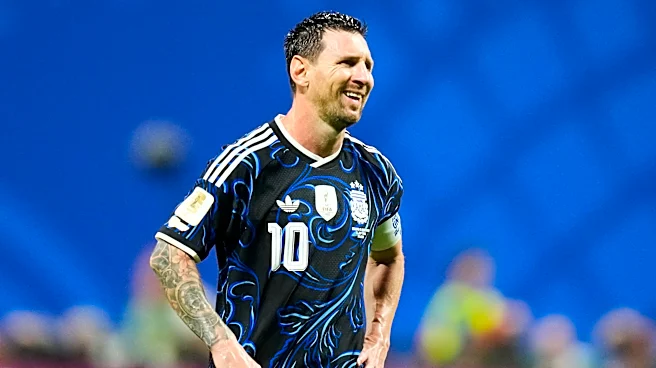
History is littered with champions who were respected more than they were loved. The most famous example is Greece’s shocking victory at Euro 2004. Coached by the stern German Otto Rehhagel, Greece employed a rigid man-marking system and relied heavily on set-pieces, frustrating a Portuguese golden generation in the final on their own home soil. They were derided as underdogs everyone wanted to lose, but their triumph proved that a disciplined collective could topple a team of brilliant individuals. More recently, Didier Deschamps’ France won the 2018 World Cup with a style that was more efficient than exhilarating. Despite boasting explosive talents like Kylian Mbappé and Antoine Griezmann, France was often content to sit in a compact defensive shape, absorb pressure, and strike with lethal speed on the counter-attack. They had less possession than their opponents on average throughout the tournament but were ruthlessly clinical, a testament to Deschamps’ pragmatic game plan. Even Argentina's 2022 victory had strong pragmatic elements, with coach Lionel Scaloni proving tactically flexible, often deploying a disciplined mid-block to protect leads and unleash Lionel Messi on the break.
The Genius in the Gamble
It’s easy to dismiss a defensive masterclass as negative, but there is a unique form of genius in it. Crafting a defensive system that can nullify the world’s best attacking players requires immense tactical intelligence, discipline, and collective buy-in. While an attacking team relies on moments of individual brilliance, a defensive one relies on the flawless execution of a collective strategy, where one mistake can unravel everything. A coach who masterminds such a victory isn't killing the game; they are solving a complex puzzle. They identify that true innovation isn't just doing the same thing better, but doing something fundamentally different to gain an edge. Look at how Argentina planned for the 2022 final, using Ángel Di María to isolate and attack France's right flank while their midfield crowded the center to stifle the French attack for over 70 minutes. Or consider how Morocco, in that same tournament, reached the semi-finals by conceding only one goal, their organized low block frustrating giants like Spain and Portugal. This isn't luck; it's a calculated, high-stakes strategy that requires as much skill and preparation as any attacking scheme.
What It Means for the Future
So, what if the 2026 World Cup is lifted by a team that wins with 30% possession and a single goal from a corner kick? The immediate reaction would likely be outrage from the purists. Pundits would decry the death of entertaining soccer. But over time, history tends to be kind to winners. The tactical blueprint would be studied and copied, influencing a new generation of coaches. A pragmatic victory would serve as a powerful reminder that there is no single, correct way to play soccer. It reinforces the idea that the sport's true beauty lies in its diversity of styles and strategies. It's a constant evolution, a chess match where innovators find new ways to counter dominant trends. A win for the pragmatists doesn't erase the value of attacking football. Instead, it challenges the idealists to evolve, to find new ways to break down disciplined defenses, and to push the game forward. Ultimately, the trophy doesn’t come with a note on how it was won. But the memory of that victory—whether it was a breathtaking blitz or a strategic suffocation—shapes the story of the sport forever.