





From Practicality to Pageantry
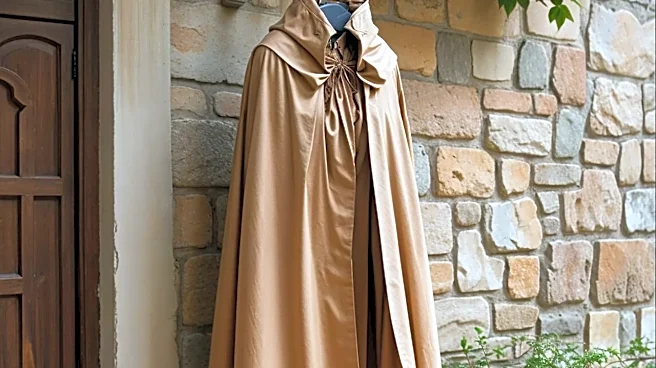
The cape’s story begins with pure function. In ancient times, a square of fabric pinned at the shoulder was essential outerwear, providing warmth and protection from the elements. Roman army commanders wore a version called a paludamentum as a mark of rank.
Throughout medieval Europe, capes were common, with their length, material, and decoration signifying the wearer’s social standing. Royalty and clergy wore long, elaborately embroidered capes to project authority and divine right, transforming the simple garment into a piece of pageantry. It was an object that said you were important, powerful, and set apart from the common person.
The Cloak of Mystery and Melodrama
By the 19th century, the cape took a darker, more mysterious turn in literature and on stage. The swashbuckling heroes of adventure novels, like The Three Musketeers and Zorro, used their cloaks for dramatic reveals and as a functional tool in a sword fight. The film adaptation of Zorro in 1920, starring Douglas Fairbanks, cemented the iconic black cape, mask, and hat in the public imagination. But it was Bram Stoker's Dracula that forever linked the cape with the supernatural. Though Stoker's novel only mentions a cloak that spreads like "great wings," the 1920s stage plays and Bela Lugosi's iconic 1931 film performance established the high-collared opera cape as the definitive costume for the aristocratic vampire. It became visual shorthand for otherworldly menace and old-world evil.
The Birth of the Superhero
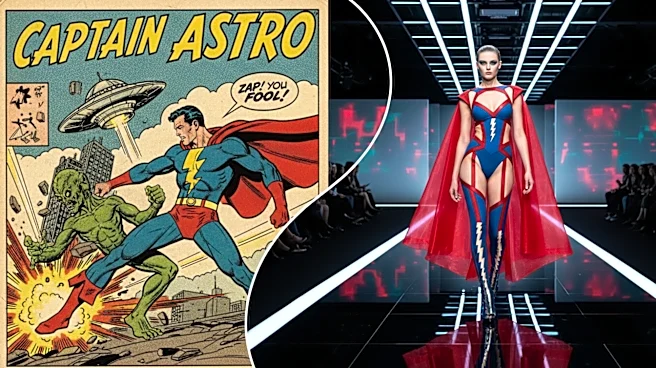
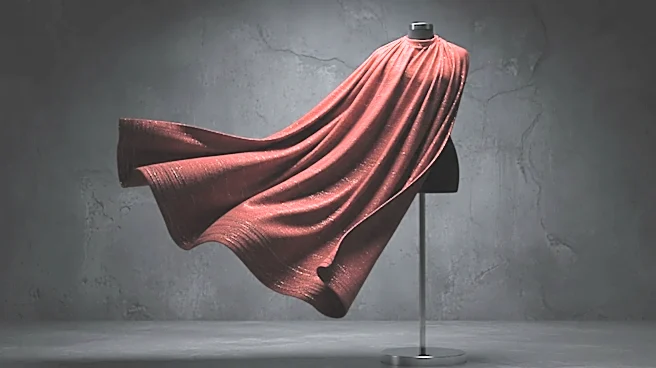
When Superman debuted in Action Comics #1 in 1938, his cape wasn't just a fashion choice; it was a storytelling revolution. Co-creator Joe Shuster was reportedly inspired by the dramatic costumes of circus strongmen. On a static comic book page, the flowing cape was the most effective way to create a sense of motion, speed, and flight. It instantly made Superman look larger-than-life, echoing the powerful figures of history and myth. Soon, the cape became a staple. For Batman, it was a tool for stealth and intimidation, allowing him to blend into the shadows of Gotham. For characters like Thor and Doctor Strange, it signaled god-like power or magical ability. The cape became the ultimate signifier of the extraordinary, separating the hero from the everyday world.
A Modern Symbol of Self-Expression
While the superhero cape remains an iconic symbol, its impracticality has been famously lampooned in films like The Incredibles. Yet, far from disappearing, the cape has found a new life in high fashion and on the red carpet. Removed from any practical or tactical purpose, it has become a tool for pure, unadulterated drama. Figures like André Leon Talley made the cape a signature part of his extravagant style. Performers from Liberace to Billy Porter have used capes to make unforgettable entrances, commanding the space around them and expressing a bold sense of self. It’s a garment designed to make a statement, proving that even after centuries, this simple piece of fabric has lost none of its power to capture the imagination.