



The Premise Was the First Constraint
The show’s entire concept began with a limitation. Co-creator Steve Martin had the idea nearly a decade before it was made: three older men who live in the same apartment building decide to solve a murder there because, as he put it, they're too tired
to go downtown to investigate. The premise itself—"Only Murders in the Building"—is a rule that keeps the story hyperlocal. When co-creator John Hoffman came aboard, he modernized the idea by incorporating the true-crime podcast trend, but that central, self-imposed boundary remained. This constraint forced the narrative to focus on character and community rather than a sprawling police procedural. It wasn't about chasing leads across the city; it was about suspecting the person you see in the elevator every day.
The Arconia: A Universe in One Building
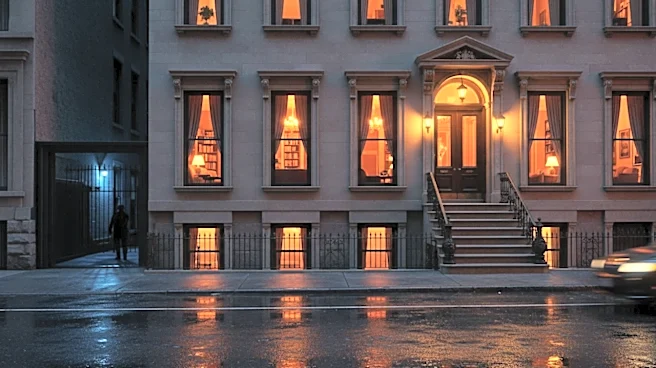
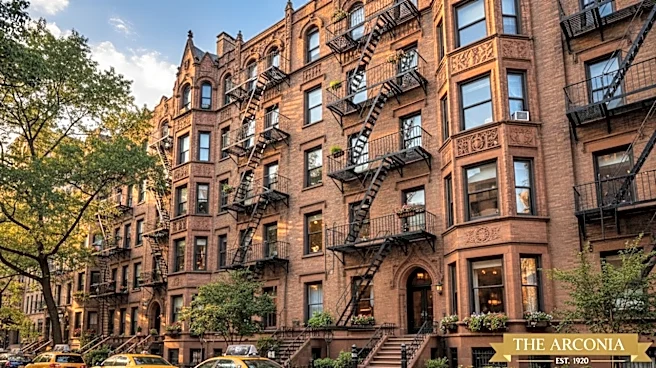
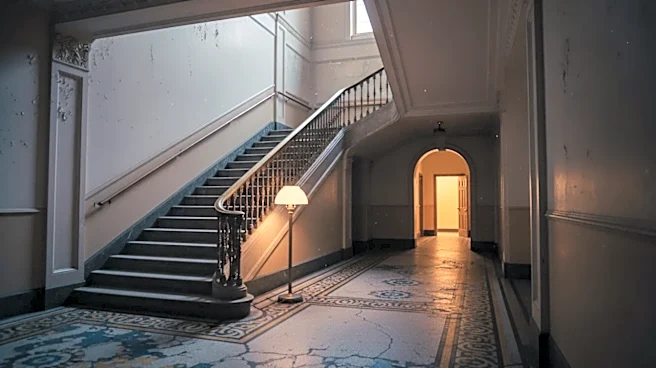
The show’s most defining feature is its setting: the grand, gothic, and gossip-filled Arconia apartment building. Using one primary location is a classic cost-saving measure, but here, it became a narrative goldmine. The building, with exteriors filmed at the real-life Belnord on the Upper West Side, is more than a backdrop; it’s a character. Its secret passageways, opulent apartments, and quirky residents create a self-contained world teeming with secrets. Production designer Curt Beech intentionally designed each apartment to have the same architectural bones but radically different interiors, reflecting each character's soul. This single location fosters a unique blend of claustrophobia and community, making the stakes of every murder feel intensely personal. As Hoffman noted, the show explores how well you truly know your neighbors, turning the building itself into the central engine of the plot.
Filming in a Pandemic
The first season was produced at the height of the COVID-19 pandemic, a massive real-world constraint that unintentionally mirrored the show's themes. Filming with elderly legends like Steve Martin and Martin Short, alongside an immunocompromised Selena Gomez, required extreme caution and logistical acrobatics. Director Jamie Babbit described the atmosphere as "horrifying and scary," with positive tests occasionally halting production. Yet, this isolation seeped into the show's DNA. The series is, at its heart, about three lonely people finding connection. The pandemic amplified this theme, making the trio's bond feel even more vital and resonant for an audience experiencing its own forms of isolation. The need for connection in a world of distance became the show's quiet, emotional core, a theme born from a global crisis.
The Power of the Trio
Martin's original idea featured three older men. The masterstroke was Hoffman and the creative team's decision to change one of those characters to a mysterious, modern young woman: Mabel Mora. This wasn't just a casting choice; it was a character constraint that created the show's central dynamic. The generational and cultural gap between Charles, Oliver, and Mabel is the source of its best comedy and its most heartfelt moments. Limiting the core investigative team to this unlikely trio forces them to rely on each other's wildly different skills and perspectives. Charles's old-school stoicism, Oliver's theatrical flair, and Mabel's sharp, modern cynicism create a perfectly balanced, if dysfunctional, team. Their dynamic is the brand—a blend of classic wit and contemporary cool that gives the show its unique voice.