






The Unseen Enemy: Gravity and Fabric
On the surface, beading seems simple: sew shiny things onto fabric. But in the world of high-end costume design, it’s a high-stakes battle against physics. One of the key factors costume designers must consider is weight. Gravity is relentless, and a fabric can
only handle so much before it gives up. When beads are sewn on without a plan, their collective weight pulls the material downward, causing it to distort, stretch, and sag. This is especially true for the lightweight, stretchy fabrics often used in performance wear, like spandex or mesh. A heavily but poorly beaded garment won't just look sad; it can restrict movement and even tear under its own weight. The result is a costume that looks stiff, heavy, and lifeless—the exact opposite of what a performer needs to command the stage.
Fighting Sag with Strategic Weight
Here’s the counter-intuitive solution designers use: they don't just add beads, they place them with architectural precision. Instead of fighting the weight, they harness it. Think of it less like decorating and more like building a suspension bridge. The core principle is to distribute the load and create tension. A costume isn’t beaded before the pattern pieces are cut; the fabric is often beaded in sections while stretched on a frame. This ensures the tension is set correctly from the start, preventing the puckering that can happen when beading on loose fabric. By creating deliberate lines and structures, a designer can use the beadwork itself to form an internal scaffold. This network of beads and thread reinforces the fabric, guiding how it falls and folds, turning potential sagging points into sources of structural integrity.
The Techniques of Movement
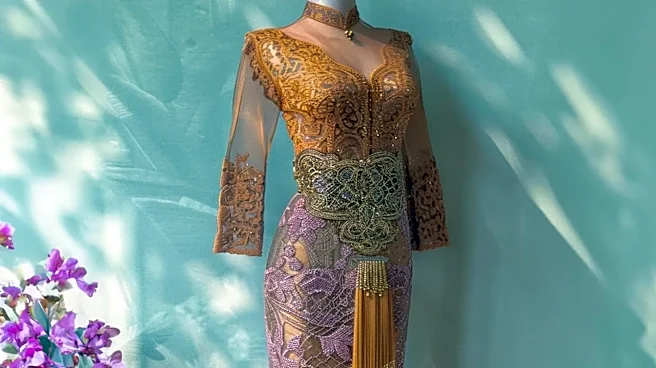
So, how is this actually done? It comes down to a few key techniques. For one, designers often sew beads onto a sturdier backing material, like interfacing, and then apply that entire beaded appliqué to the garment. This contains the weight and stops it from pulling on the more delicate costume fabric. Another method involves creating lines of beads that work with the fabric's grain or stretch. A back-and-forth stitching technique, where the thread is passed back through the previous one or two beads before adding more, keeps the line straight and secure, preventing it from drooping between anchor points. For adding movement, nothing beats fringe and tassels. But even these are engineered. Designers often leave a tiny bit of slack at the top of a fringe strand and use heavier beads at the bottom. This allows the strand to swing freely and gracefully, rather than hanging like a stiff stick.
From the Dance Floor to the Red Carpet
Once you know what to look for, you’ll see this artistry everywhere. The elaborate costumes on 'Dancing with the Stars' are prime examples; they are loaded with beads and crystals yet move fluidly with every spin and lift. Belly dance costumes, famous for their intricate beadwork, rely on these principles to accentuate the dancer's movements with shimmering tassels and structured patterns. Figure skating outfits are another marvel of costume engineering, where every bead is placed to add sparkle without hindering a single jump or spin. Even on the high-fashion red carpet, the most breathtaking beaded gowns from couture houses are masterpieces of this hidden art. They appear effortlessly glamorous precisely because so much effort went into making the weight of thousands of beads seem like nothing at all.