

An Unlikely Spark of Genius
The origin story for Chappelle's Show is as unconventional as the show itself. According to Chappelle, the initial inspiration came from watching an old Hugh Hefner TV special called Playboy After Dark. He was captivated by the format, where Hefner would
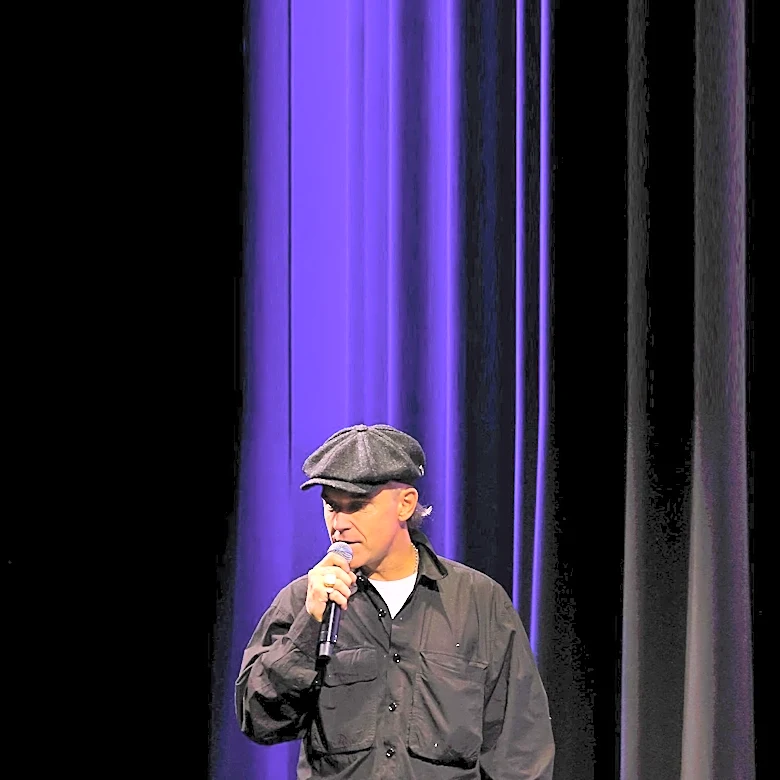
host comedians and musicians in a casual, party-like atmosphere. Inspired, Chappelle called his friend and past collaborator, Neal Brennan, with whom he had written the cult stoner classic Half Baked. Neither had deep experience in writing sketch comedy, so they reportedly studied the craft by reading books about the history of Saturday Night Live. Their concept was to build a show around Chappelle’s stand-up, using it as the connective tissue between pre-taped sketches and live musical performances—a modern, edgier version of that Hefner-style hangout.
The Pitch: A Mixtape of Comedy
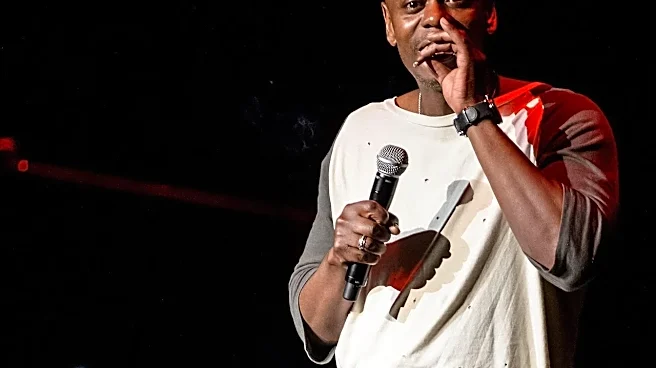
When Chappelle and Brennan pitched the show, they weren't just selling jokes; they were selling a new format. The core idea was to blend different forms of entertainment into a single, cohesive experience. Chappelle would perform stand-up for a live audience, introducing sketches that he and Brennan had written and produced. This structure was crucial. It allowed Chappelle to provide context, to prime the audience for the often-controversial material that was about to follow, and to ground the entire show in his unique comedic voice. After the sketches, the episode would often conclude with a musical guest, featuring some of Chappelle’s favorite artists. The pitch was essentially for a comedy mixtape, with stand-up as the host's commentary, sketches as the main tracks, and a musical guest as the grand finale.
Selling Socially Irresponsible Ideas
The pitch to Comedy Central included two specific sketch ideas to give executives a taste of their vision. One was for "Popcopy," a fake training video for a Kinko's-style copy shop that instructs employees on how to be maximally unhelpful. The other was far more dangerous: a segment for a mockumentary series called Frontline about Clayton Bigsby, a blind, Black man who is a prominent white supremacist and is unaware of his own race. The Bigsby sketch, which was filled with racial slurs, immediately worried network executives. Brennan later recalled that their biggest fight with the network was over including the sketch in the pilot, with executives fearing it would give audiences the wrong impression. But for Chappelle and Brennan, that sketch was the entire point. As Brennan put it, they insisted, "This is exactly what the show is."
The Network's Gamble
Before landing at Comedy Central, the duo pitched the show to HBO, who, according to Chappelle, looked at them like they were "lepers." Comedy Central, however, saw the potential and greenlit the series. Their faith was immediately tested. The Clayton Bigsby sketch did indeed air in the very first episode on January 22, 2003. Chappelle even joked on stage before the clip rolled that the sketch would probably ensure they'd never get a second episode. But the gamble paid off. The show was an instant hit, precisely because it was willing to go to places other comedies wouldn't. The blend of absurdist humor, sharp social commentary, and unfiltered explorations of race became the show's signature, turning it into a cultural phenomenon that defined comedy for a generation.