






The Old Rules of Dressing Up
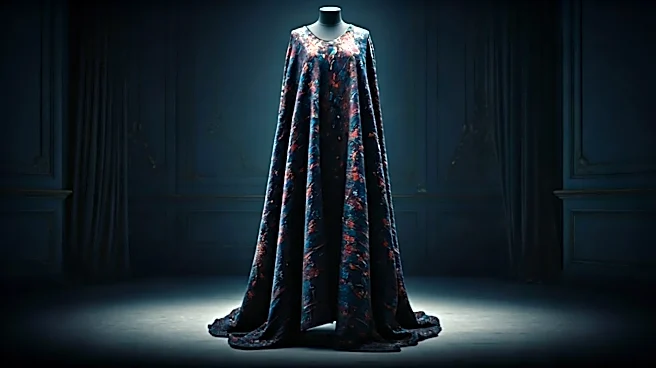
For generations, “eveningwear” conjured a specific set of images: Cinderella-esque gowns, restrictive corsetry, sky-high heels, and fabrics so delicate they seemed to demand a chauffeur and a life devoid of spills. It was fashion as fantasy, a costume
for a few precious hours of performative glamour. The goal was transformation, erasing the day-to-day to become a polished, often impersonal, vision of elegance. Red carpets, galas, and society weddings were its natural habitat, governed by unspoken (or explicitly stated) dress codes. This was aspirational clothing, beautiful but often impractical, designed for an occasion, not a person.
London’s Deconstructed Glamour
Across the runways of the most recent London Fashion Week, a different story unfolded. The city’s celebrated designers, known for their creative independence, seemed to collectively tear up the old rulebook. Instead of rigid perfection, they offered something far more compelling: deconstructed, personal, and profoundly wearable elegance. At Simone Rocha, ethereal dresses were layered over practical trousers or paired with chunky, almost utilitarian footwear. Erdem Morıoğlu, a master of historical romance, presented breathtaking gowns that felt lived-in, their grandeur softened with relaxed silhouettes and a sense of beautiful decay. Elsewhere, designers like JW Anderson and Molly Goddard championed a spirit of playful rebellion, mixing voluminous tulle with casual knits or presenting evening looks as intelligent, comfortable separates. The new uniform wasn’t a dress, but an idea: a slinky skirt with a simple tank top, a beautifully tailored jacket thrown over anything, or a flowing dress worn with stompy boots. It was glamour, but with the seams showing—intentionally.
Why We’re Done with Being Uncomfortable
This shift isn’t happening in a vacuum. It’s a direct reflection of a broader cultural recalibration. First, the pandemic fundamentally rewired our relationship with clothes. After two years in sweatpants, the idea of sacrificing physical comfort for aesthetic perfection feels utterly archaic. We demand clothes that move with us, that feel good on our skin, and that don’t require a team of assistants to put on. Secondly, there's an economic reality at play. In an era of mindful consumption, the single-use garment—a gown for one specific event—feels wasteful and outdated. Consumers, even at the luxury level, are seeking versatility. They want pieces that can be styled up or down, that work for a cocktail party but also for a nice dinner out, blurring the lines between “day” and “night.” Finally, this is about the triumph of personality over prescription. The new eveningwear empowers the wearer to be the main character, not the dress. It’s less about fitting into a predetermined mold of “formal” and more about using beautiful clothes to express a unique personal style.
How the Trend Translates to Your Closet
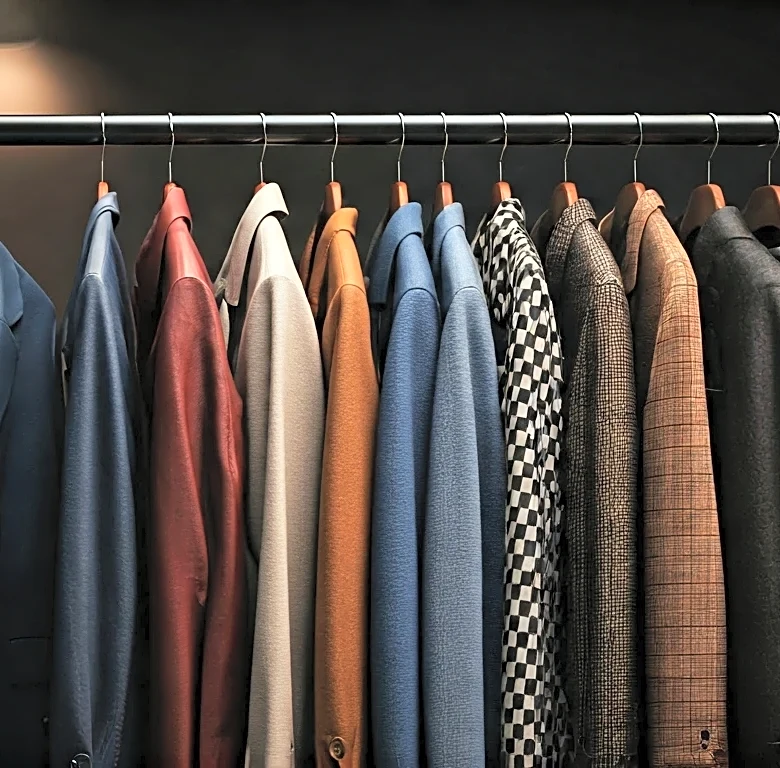
You don’t need a front-row seat at a London show to embrace this new mood. The spirit of this trend is accessible to everyone. It’s about rethinking the separates you already own. That sequin skirt you save for New Year’s Eve? Try it with a soft cashmere sweater and sneakers for a friend’s birthday dinner. A silk camisole, once relegated to a suit jacket, can be the star of the show paired with wide-leg jeans and a great earring. It’s about investing in what designers are calling “hard-working” pieces: a perfectly cut blazer, a luxurious pair of satin trousers, a slip dress in a gorgeous color. These items can be mixed, matched, and layered to create dozens of different looks for different levels of formality. The new eveningwear is less about buying a new outfit and more about adopting a new mindset: one where elegance is comfortable, personal, and, above all, effortless.