
An Unmistakable Spectacle
To an outsider, Burning Man looks like the definition of a spectacle. It’s a temporary city of over 70,000 people that rises from a barren lakebed for one week, filled with some of the most ambitious and
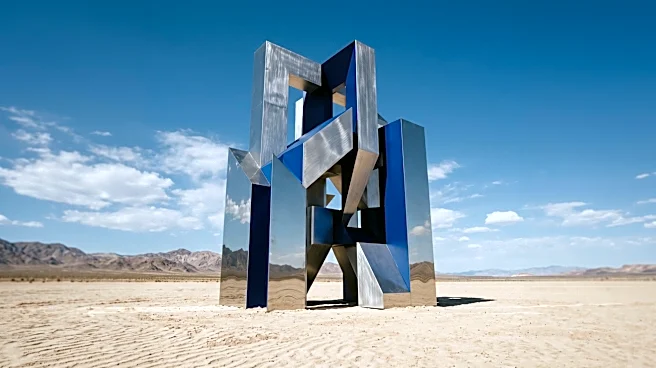
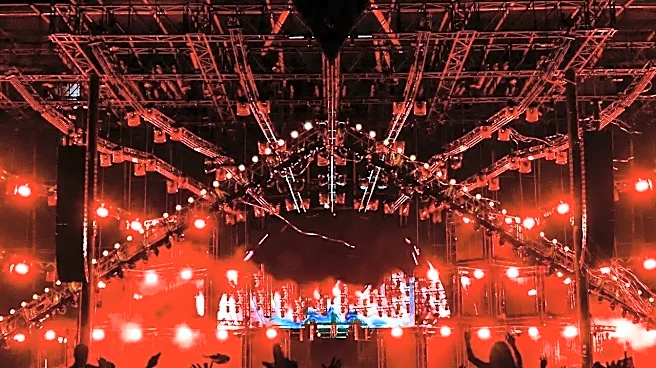
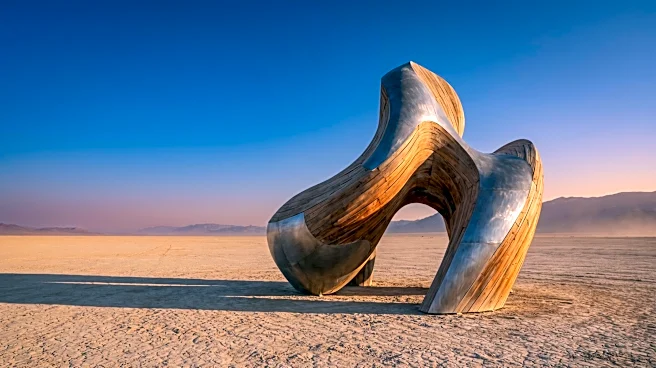
surreal art on the planet. The 2026 event, with its theme "Axis Mundi," features installations like a massive wooden Titanic appearing to sink into the desert floor and a towering, tree-like Man pavilion. Fire-breathing dragon cars roam the desert, interactive light-and-sound sculptures respond to visitors, and participants don elaborate, imaginative costumes as a form of radical self-expression. This is a world built to be visually staggering, a hotbed of artistic ingenuity where photos of giant, ritualistically burned effigies capture the national imagination. From a distance, it appears to be a massive, chaotic party and art show put on for its attendees.
The Core Principle: Radical Participation
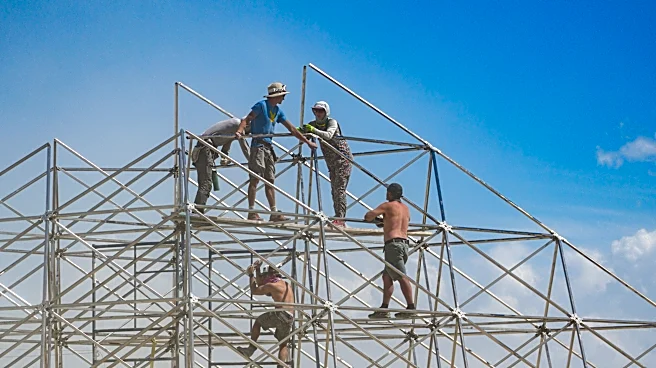
Yet, the cultural bedrock of Burning Man is a principle that stands in direct opposition to this view: Participation. A common refrain on the playa is "No spectators." This isn't just a friendly suggestion; it's a foundational ethic. Unlike a typical festival with scheduled headliners and a passive audience, Burning Man has neither. Every person who attends is expected to be a participant. The event is a massive experiment in co-creation. This means contributing in some way, whether by building one of the grand art installations, volunteering for a crucial role like the Greeters, creating a small, interactive experience at a theme camp, or simply sharing a gift with a stranger. The entire city—its art, its activities, its very functionality—is built and run by the people who are there. The goal is to get everyone off the sidelines and into the mix.
Where Tension Becomes Creation
This is where the tension becomes the point. The spectacular nature of Burning Man isn’t created for an audience; it’s created by the audience. The principle of Radical Participation is the engine that generates the spectacle. Because everyone is invited to do rather than watch, they are empowered to bring their most creative, weird, and ambitious ideas to life. The fire-breathing dragon car exists because a group of participants decided to build it. The pop-up ramen stand in the middle of a dust storm exists because someone’s gift to the community is a hot bowl of noodles. The spectacle is not a performance for a crowd. The crowd is the performance. This dynamic transforms the event from a passive consumer experience into an active, collaborative one where personal and societal change is believed to occur through the act of doing.
A System Beyond the Art
This core principle doesn't exist in a vacuum. It’s interwoven with other tenets like Gifting (giving without expecting anything in return) and Decommodification (a social environment free from commerce and advertising). You can’t buy your way into a better experience at Burning Man; you have to create it or be gifted it. This economic and social structure reinforces the anti-spectator ethos. When nothing is for sale, the currency becomes generosity, creativity, and communal effort. The entire system is designed to foster a different kind of society, one where people are valued for what they contribute, not what they consume. The result is a temporary civilization that is as much a social experiment as it is an art event, challenging barriers between our inner selves and the reality of those around us.