






The Unsung Art of Everyday Noise
That secret ingredient has a name: Foley. It's the art of creating and performing custom sound effects in post-production, perfectly synchronized to the action on screen. Without it, even the most visually stunning shows would feel unnervingly quiet and artificial.
The practice is named after Jack Donovan Foley, a sound effects pioneer who got his start during the transition from silent films to “talkies” in the 1920s. When studios needed to add audio to already-shot films, Foley and his team would project the movie onto a screen and perform the sounds live—footsteps, moving props, cloth rustles—capturing it all in a single take. While sound technology has evolved, that fundamental principle of performance remains the core of the craft.
Why Not Just Use On-Set Sound?
A common question is why filmmakers don't simply use the sounds recorded during filming. The answer is focus. On-set microphones are positioned to capture dialogue above all else. Incidental sounds like a character setting down a coffee cup or their clothes swishing as they walk are often too faint or muddied by background noise like generators, crew movements, or a passing airplane. Foley artists rebuild this sonic world from scratch in a controlled studio environment. This gives sound mixers total control, allowing them to ensure every crunch, crinkle, and clank is crystal clear and serves the story, enhancing the emotional tone and creating a seamless, believable reality for the viewer.
Inside the Foley Artist's Toolbox
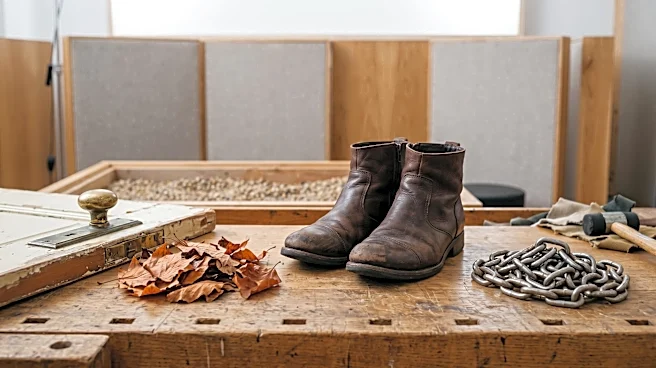
A Foley stage looks like a cross between a recording studio and a hoarder's garage. It’s a playground of organized chaos, filled with peculiar props chosen for their sonic potential, not their appearance. You’ll find pits filled with gravel, sand, and dirt for various footsteps, an arsenal of shoes for every type of character, and countless doors and latches. But the real creativity comes from the unconventional items. Foley artists are masters of sonic illusion. Cornstarch in a leather pouch convincingly mimics the crunch of snow. Inflated rubber gloves, when slapped together, can sound like bird wings. For the iconic squishy movements of the alien in E.T. the Extra-Terrestrial, artist Joan Rowe famously used Jell-O and packaged liver. A heavy staple gun can become a firearm, and snapping celery stalks or walnuts are a go-to for the stomach-turning sound of breaking bones.
A Three-Part Performance
The work of a Foley artist is typically broken down into three main categories: footsteps, movements, and specifics. "Feet" are self-explanatory but require incredible nuance. An artist must match the character's gait, their weight, the surface they're on, and even their emotional state through the sound of their walk. "Moves" refers to the sounds of clothing—the swish of a silk dress, the rustle of a leather jacket, or the flap of a cape. These subtle noises ground the characters in the scene. Finally, "specifics" (or "spots") covers everything else. This is anything a character touches or interacts with, from rattling keys and clinking silverware to the brutal impact of a punch in a fight scene, often simulated by slapping a slab of meat or a phone book. Each layer is performed and recorded separately while watching the footage, requiring immense concentration and timing.