







The High-Stakes Premiere
For filmmakers, a slot at the BFI London Film Festival is a golden ticket. As one of the world's most prestigious festivals, it's a launchpad for Oscar campaigns, a marketplace for distribution deals, and the first place a film faces the court of public
and critical opinion. A rapturous response can set a movie on a path to glory; a muted one can stop it dead in its tracks. While the film itself is obviously the main event, industry insiders know a secret that audiences often overlook: the room where it happens matters. The architecture, acoustics, and atmosphere of a screening venue can fundamentally alter the viewing experience, subtly nudging a film toward triumph or failure.
The Cathedral of Cinema?
For its biggest red-carpet galas, the London Film Festival uses the Royal Festival Hall. On paper, it’s an impressive choice. A cavernous, 2,500-seat concert hall on the bank of the Thames, it promises glamour and scale. For a star-studded blockbuster, the sheer size of the place can feel appropriate, matching the epic scope on screen. But the Royal Festival Hall was designed in 1951 for orchestras, not immersive cinema. Its acoustics are built to blend and project the sound of a symphony, which is a very different task from creating the focused, finely-tuned audio environment a modern film requires. This is the festival’s most controversial and powerful venue—the one that can make or break a first impression.
When Grandeur Backfires
The problem with the Royal Festival Hall is one of intimacy, or the lack thereof. For a quiet, character-driven drama or a subtle international film, the enormous space can be a disaster. Nuanced performances get lost, the carefully mixed soundscape can feel thin and dispersed, and the audience feels distant from the action. Instead of being pulled into the film’s world, viewers are acutely aware of the vastness of the room. Reddit threads among festival-goers warn of poor sightlines if you get the wrong seat, with subtitles being blocked by the person in front of you. When a film needs to connect on a raw, emotional level, this physical and psychological distance can be fatal. The grandeur that’s meant to elevate the movie can end up swallowing it whole.
The Cinephile's Sanctuary
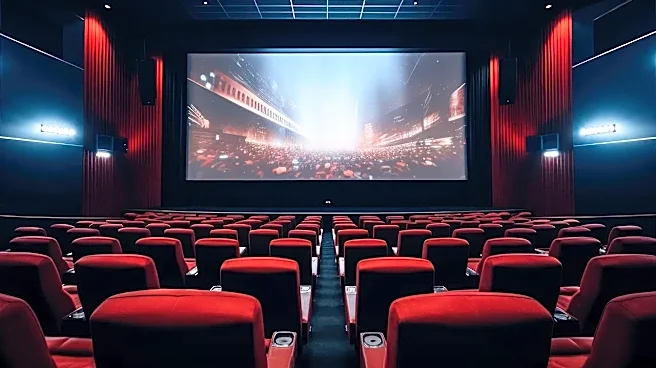
The alternative, and the gold standard for many festival attendees, is the BFI Southbank’s main screen, known as NFT1. With around 450 seats, it's a purpose-built cinema steeped in film history. The venue is designed for one thing: the perfect presentation of a film. The sightlines are clean, the sound is immaculate, and the atmosphere is one of reverent focus. Here, every seat is a good seat. In NFT1, an intimate film can truly sing. The audience is locked in, sharing a collective experience without the distractions of a multi-purpose concert hall. Landing a premiere in this space gives a film its best possible chance to connect with viewers on its own terms, free from the architectural baggage of a venue not built for it.