




Every awards season, we’re flooded with images of static perfection. But the red carpet’s biggest secret isn't about the perfect pose. It’s a detail that only reveals itself in motion, separating the true masters of design from the pretenders.
The Illusion of the Still Photograph
The modern
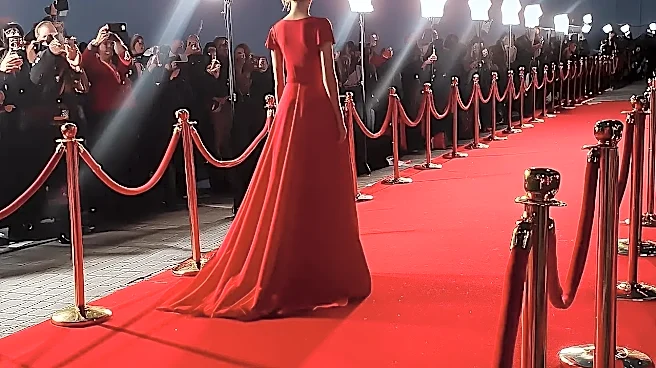
red carpet is a production line built for a single, frozen moment. A celebrity steps out of a car, finds their mark, and strikes a practiced pose. The cameras flash, capturing a two-dimensional image that will be dissected for days. In this world, a dress doesn't need to be wearable; it just needs to be photogenic for 90 seconds. This has created a generation of 'sculptural' gowns that are breathtaking in a still photo but can become architectural prisons the moment the wearer tries to walk, sit, or even turn. Some dresses are so restrictive they look like they're wearing the celebrity, not the other way around. What looks like avant-garde genius in a photo can translate to an awkward, bunching, or ill-fitting mess once subjected to the basic laws of physics. A dress that needs constant adjustment or looks uncomfortable undercuts the glamour it’s meant to project.
The Real Test: Performance in Motion
The true, often-overlooked detail that signals a designer’s mastery is how a garment performs in three dimensions and through movement. Does the fabric flow or fight the body as the wearer walks? When they sit for a three-hour ceremony, does the bodice gap or the waistline bunch? Does the back of the dress possess the same thoughtful design as the front? A truly great occasion piece is an exercise in engineering as much as artistry. It anticipates movement and is designed to look graceful from every conceivable angle. This is where the legends of couture earned their reputations. Pioneers like Madeleine Vionnet, with her bias cut, and Madame Grès, who sculpted with fabric as if it were marble, created gowns that were in dialogue with the body, not just placed upon it. Their work was about freedom and fluidity, ensuring a woman looked as elegant rising from a chair as she did posing for a portrait.
Case Study: When Design Forgets the Wearer
We’ve all seen it happen. A star arrives in a showstopper—a complex, layered creation with a dramatic train. Then she has to walk up a flight of stairs. The gown becomes an enemy, a tripping hazard she has to kick out of the way with every step. Or consider the hyper-structured bodice that looks regal when standing but creates a strange, unflattering shelf the moment its wearer sits down. Recent red carpets have provided examples of dresses that, while visually interesting, appeared stiff, heavy, or ill-proportioned, overwhelming the person inside. A dress made of unforgiving fabric might look sharp when posed, but with movement, it can wrinkle, pucker, and give the impression of being poorly tailored. These are not failures of the celebrity; they are failures of design that prioritized a single, static image over the reality of a living, breathing person navigating an actual event.
The Masters of Movement
Conversely, the designers who truly understand occasion dressing create looks that come alive with movement. Think of the liquid grace of a perfectly draped satin that catches the light with every turn, or a lightweight chiffon that floats behind the wearer like a whisper. Designers known for their mastery of draping, like Elie Saab or the house of Valentino, consistently produce gowns that enhance, rather than hinder, the celebrity. Their creations often feature flowing skirts, intelligently placed slits, or fabrics chosen specifically for how they will behave under lights and in motion. These looks possess a confidence that translates to the wearer. There is no awkward shuffling or tugging. The garment becomes a second skin, empowering the star to be present and at ease. The dress doesn't just look good; it makes them feel good, which is the ultimate goal of any great piece of clothing.