



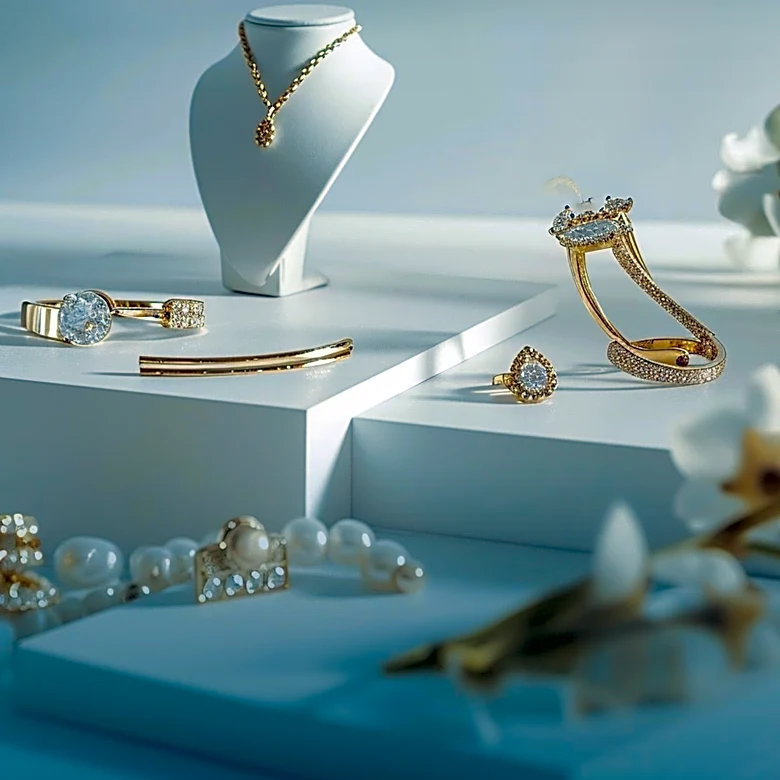



A Design as Old as Jewelry Itself
Before there were intricate claws and delicate prongs, there was the bezel. This method of setting a gemstone is one of the oldest and most intuitive in jewelry history, with examples found in the adornments of Ancient Egypt, Rome, and the Byzantine Empire.
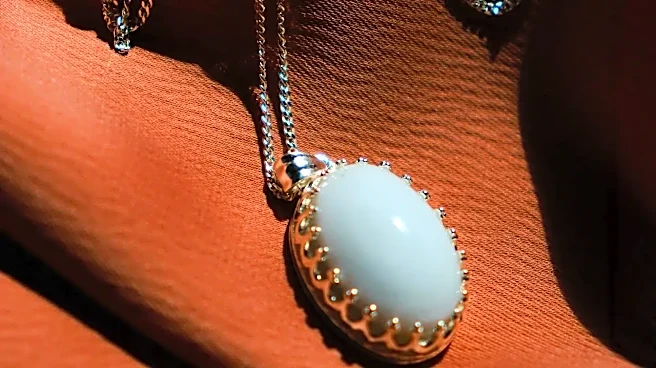
The technique is simple in concept: a thin collar of precious metal is custom-shaped to perfectly encircle a gemstone, where it is then folded over the stone’s edge to hold it securely in place. This ancient practice wasn't born from a desire for minimalism, but from a need for security—a way to protect a valuable gem without sophisticated modern tools. This historical resilience is the foundation of its timeless appeal; it was designed for permanence from the very beginning.
The Practical Powerhouse
The primary reason for the bezel’s longevity is its unmatched practicality. A full bezel provides a protective fortress around the stone’s entire edge—its most vulnerable area. This makes it exceptionally durable and an ideal choice for anyone with an active lifestyle or a career that involves working with their hands. Unlike prong settings, which can snag on clothing, get caught in hair, or bend upon impact, the smooth, continuous rim of a bezel is entirely snag-free. This superior protection offers peace of mind, making the bezel a favored choice for softer gemstones or simply for anyone who wants to wear their ring without constant worry.
An Understated Style Statement
While prong settings are designed to elevate a stone and maximize its exposure to light, the bezel setting takes a different philosophical approach. It integrates the stone and metal into a single, cohesive design. The result is a clean, modern, and architectural look that feels intentional and sophisticated. Rather than disappearing, the metal becomes part of the aesthetic, framing the gemstone and accentuating its shape. This effect can even make a stone appear slightly larger than its carat weight might suggest, as the metal rim extends its visual footprint. It's a choice that appeals to those who value design and subtlety over pure sparkle, creating a look that is both bold and discreet.
The Modern Resurgence
While it has never truly vanished, the bezel setting is experiencing a significant resurgence. In 2026, many are seeking designs that feel both substantial and practical, moving away from the ultra-delicate styles that dominated previous years. The bezel perfectly aligns with this shift toward what some call "practical luxury." It offers a contemporary, minimalist aesthetic that works with virtually any diamond shape—from classic round brilliants to geometric emerald cuts and trendy ovals. Jewelers now offer variations like partial or half-bezels, which expose the sides of the stone to allow more light to enter, offering a compromise between the security of a full bezel and the brilliance of a prong setting.