

The Castaway's Blueprint
When Daniel Defoe published Robinson Crusoe in 1719, he created more than just an adventure story; he codified the archetype of the modern survivor. Crusoe, stranded and alone, doesn't just wait for rescue. He masters his environment. He builds a shelter,
domesticates animals, plants crops, and essentially rebuilds civilization from scratch, all while battling loneliness and despair. His story is a powerful narrative about human ingenuity, resilience, and the psychological fortitude required to endure extreme isolation. He is the original self-reliant hero, forced to become an engineer, farmer, and governor of his own tiny world. This narrative has become so ingrained in our culture that it serves as a template for countless survival stories.
The High-Tech Castaway
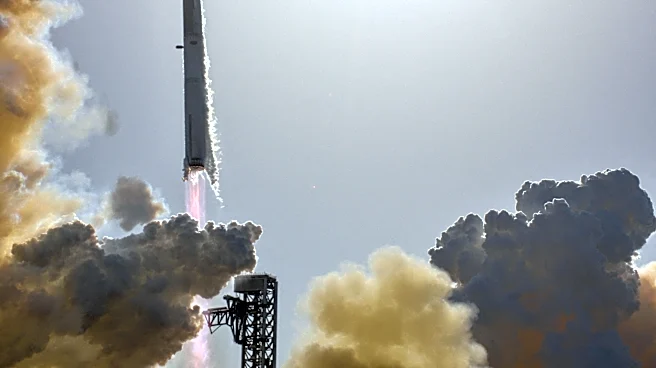
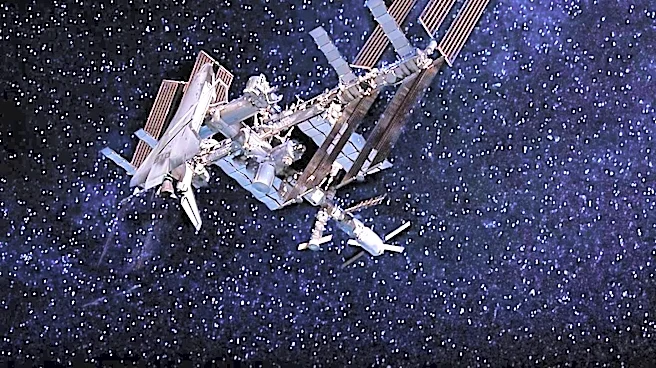
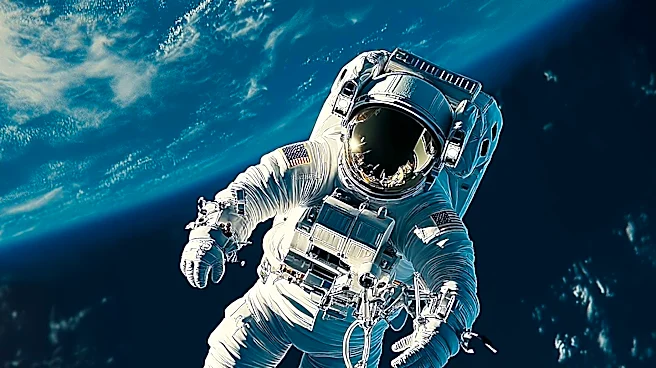
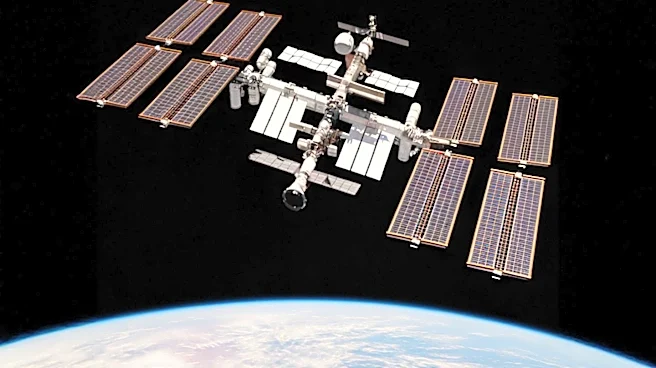
Now, picture an astronaut on a three-year mission to Mars. The vessel isn't a wrecked ship, but a highly advanced spacecraft. The island isn't tropical, but a sterile habitat on a cold, red planet. Yet, the core challenges are eerily similar. Like Crusoe, these explorers will face profound isolation, millions of miles and a significant communication delay from home. They must be supremely resourceful, using limited supplies and in-situ resources to survive. If a critical piece of equipment breaks, there's no Amazon Prime delivery. They'll have to repair it, perhaps by 3D-printing a new part—a modern-day equivalent of Crusoe carving a tool from wood. Growing their own food won't just be a good idea; it could be essential for survival, just as Crusoe's barley fields were.
Ingenuity, Psychology, and the New World
The parallels run deeper than just fixing things and growing food. The most significant challenge for both the classic castaway and the future Mars explorer is psychological. Long-duration space missions are known to cause a range of mental strains, from anxiety and depression to interpersonal friction within the small crew. Crusoe's journey is marked by a profound internal struggle, a fight to maintain his sanity and sense of self in total solitude. Astronauts, too, undergo extensive psychological screening and training to cope with being confined in a small space with the same few people for years. Both scenarios force a confrontation with the self. Stripped of normal society, the individual has to create routines, find purpose, and fend off the kind of mental fatigue that can be as dangerous as any physical threat.
The Loneliest Team on the Frontier
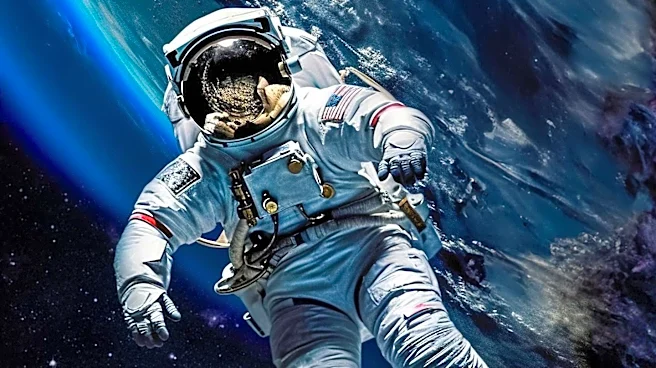
Here, however, lies the crucial difference. Crusoe was an accidental castaway, a solitary individual defined by his unexpected isolation. Astronauts, by contrast, are the pinnacle of collective effort. They are meticulously selected, exhaustively trained, and supported by a massive ground crew. They are not alone, even when they are lonely. Their mission isn't born of misfortune but of humanity's deliberate, planned ambition to explore. While Crusoe builds a society of one (and later, two), the Mars crew must function as a hyper-cohesive team where every social dynamic is critical to the mission's success. They are not just surviving; they are representatives, scientists, and pioneers sent on behalf of all of us. Their Crusoe-like experience is a feature, not a bug—a planned ordeal at the very edge of human capability.