



The Case for a Bare Face
The argument against wearing makeup on retinol nights is rooted in a purist, results-driven philosophy. Retinol works by accelerating skin cell turnover, a process that can leave the skin barrier temporarily compromised, sensitive, and prone to dryness
or peeling. Proponents of going bare-faced argue that the primary goal of a retinol night is repair and regeneration. Adding another layer—especially potentially occlusive foundations or powders—can interfere with this process. The fear is twofold. First, makeup could trap heat and increase the potency of the retinol, leading to heightened irritation, redness, and sensitivity. Second, applying and removing makeup requires friction and products that might further stress an already sensitized complexion. Dermatologists often advise that if your skin is actively peeling or inflamed, it's best to skip makeup altogether to allow it to calm down and heal properly. This camp’s motto is simple: when you’re using a powerful active ingredient, let it do its job without interference.
The Pragmatic Pro-Makeup Stance
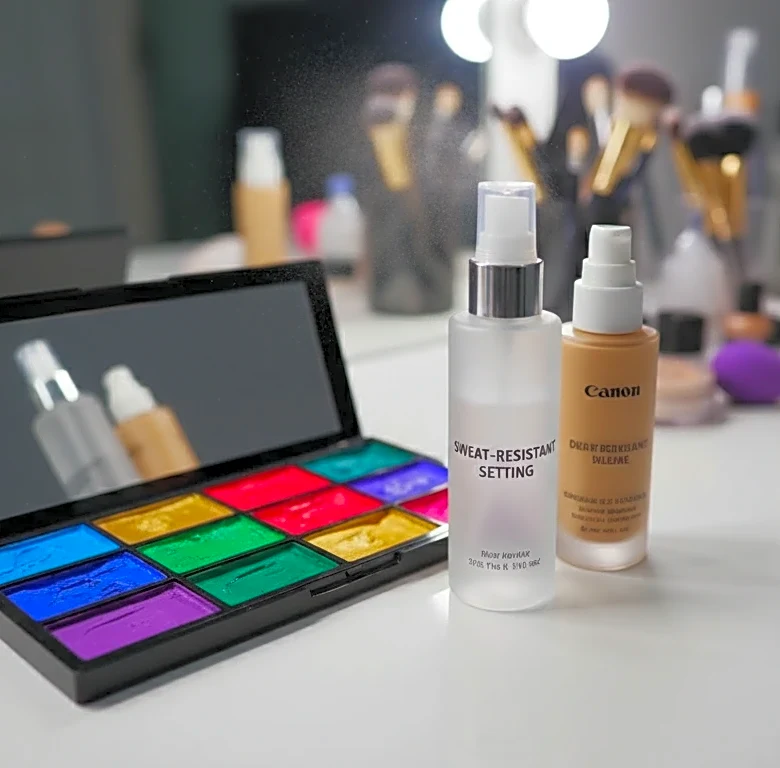
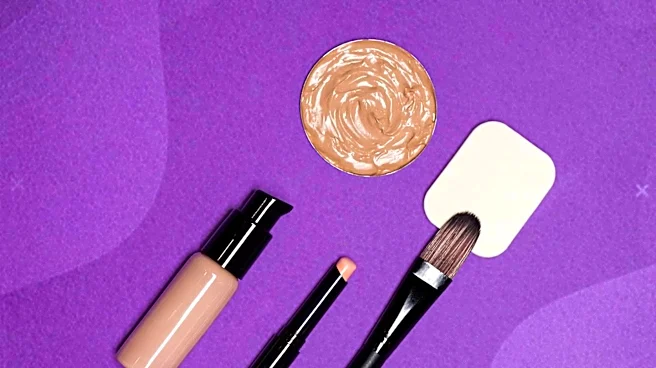
On the other side are the pragmatists: the makeup artists and skincare enthusiasts who believe that with the right technique, life doesn't have to stop for your skin cycle. Their argument is that modern cosmetic formulations are far more sophisticated than they used to be. Today’s market is filled with hydrating, non-comedogenic foundations, skin tints, and concealers infused with skin-soothing ingredients like hyaluronic acid and niacinamide. The key, they say, isn't avoiding makeup, but applying it smartly. This involves a non-negotiable prep routine: think gentle cleansing, followed by a rich, barrier-repairing moisturizer to create a buffer between your skin and the makeup. This “sandwich” method—moisturizer, retinol, more moisturizer—is often recommended to quell dryness even without makeup. For those who choose to wear makeup, adding hydrating primers and finishing with a dewy setting spray can prevent foundation from clinging to dry patches and create a smoother canvas. This side argues that for many, feeling confident and put-together is also a form of wellness, and a blanket ban on makeup is unrealistic.
The Real Reason: It's About Different Goals
Ultimately, the disagreement isn’t about one side being right and the other wrong. It’s about a fundamental difference in priorities. The “no makeup” camp prioritizes the clinical efficacy of retinol above all else. Their goal is to achieve the fastest, most dramatic skin improvements by creating an optimal, undisturbed environment for the ingredient to work. Any step that could potentially cause irritation or slow down progress is seen as an unnecessary risk. The “pro-makeup” camp, however, champions a more balanced, lifestyle-oriented approach. They recognize that social events, work commitments, and personal confidence are valid factors in any beauty routine. Their focus is on risk mitigation rather than total avoidance. They believe that by using gentle products and proper techniques, you can successfully have both a social life and great skin. The real reason for the debate is that there is no universal 'best practice'—there is only the best practice for an individual's specific skin tolerance, goals, and lifestyle needs.
Your Guide to Makeup on Retinol Night
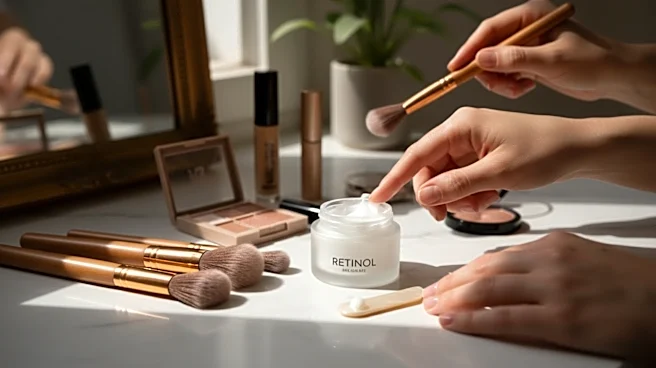
So, what should you do? The answer lies in listening to your skin. If you’re new to retinol or experiencing significant peeling, redness, or irritation, it’s wise to give your skin a break from makeup. Don't apply any products to open or raw skin. However, if your skin is well-acclimated and you want to wear makeup, follow these rules for success. First, always apply retinol at night to clean, dry skin, and allow it to absorb for at least 20 minutes before layering anything else. Hydration is your best friend: use a thick, calming moisturizer. When choosing makeup, opt for creamy, hydrating formulas and avoid mattifying products or those containing drying ingredients like salicylic acid. Finally, remember that sunscreen is non-negotiable the morning after using retinol, as it increases sun sensitivity. A mineral-based SPF of 30 or higher is often recommended as it can be less irritating.