



The Consolation Prize for Summer's End
Before the internet atomized our attention spans, the calendar had a rhythm dictated by network television. The end of summer wasn't just about new backpacks and Trapper Keepers; it was the start of new seasons for the shows that dominated schoolyard
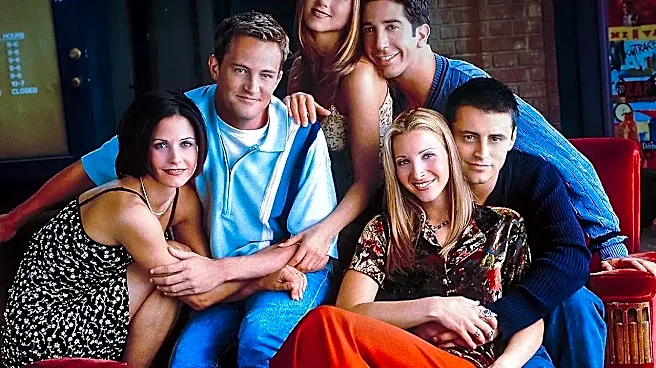
chatter. After a long summer of reruns, the promise of a fresh episode of "Boy Meets World" or the season premiere of "Friends" was a powerful currency. It was a cultural reset button, a collective experience that signaled a shift from the unstructured freedom of summer to the scheduled reality of fall. This wasn't just about watching TV; it was a silver lining, a bright spot that made the shortening days and earlier bedtimes feel almost worthwhile.
Appointment Television as Social Glue
You didn't just watch these shows; you planned your week around them. Thursday nights were sacrosanct for NBC's "Must See TV" lineup. Friday nights belonged to ABC's family-friendly "TGIF" block, where sitcoms like "Full House" and "Family Matters" reigned supreme. Missing an episode meant being left out of the conversation the next day. There was no streaming, no DVR in every home, and no social media to catch you up. You had to be there, on the couch, at the designated time. This scarcity created a potent form of social glue. Entire friend groups were built on a shared love for the latest drama on "Beverly Hills, 90210" or the paranormal mysteries of "The X-Files". Watching was a communal act, even when you were in your own living room.
The Paper Trail of Anticipation
The ritual began long before the shows aired. The arrival of the massive fall preview issue of TV Guide was an event in itself. It was a glossy, oversized bible that offered the first glimpse at new series, returning favorites, and what cliffhangers might be resolved. Kids and adults alike would pore over its pages, circling premiere dates and debating which new shows looked promising and which were destined for a swift cancellation. These magazines were the original hype machine, building anticipation for weeks. They were the physical manifestation of a conversation that would soon unfold across the country, a paper-based internet browser for a generation's shared entertainment.
A Feeling We Can't Get Back
Today, television is a solitary pursuit of navigating endless menus on streaming services. The concept of a "premiere night" has been largely replaced by the surprise drop of an entire season, designed for individual binging. While convenient, this on-demand culture has erased the shared anticipation that defined the '90s viewing experience. The magic wasn't just in the shows themselves, but in the collective waiting. It was knowing that millions of other people were seeing the same thing at the exact same moment. This synchronized cultural heartbeat is what millennials are truly nostalgic for—not just the shows, but the feeling of being part of a massive, invisible audience hanging on every word, every plot twist, together. The ritual was a victim of the very technology that promised us more choice.