







The Curated Hub vs. The Digital Flea Market
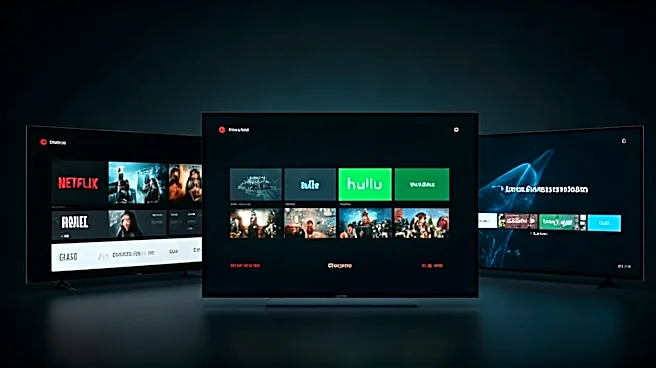
The most immediate difference you’ll notice is the presentation. Netflix has become known for its polished, human-curated collections. When a cultural moment like Juneteenth, Black History Month, or Pride arrives, the service often creates a dedicated,
easy-to-find hub with a specific title, like “Black Stories.” It feels like walking into a bookstore where a thoughtful employee has arranged a front-table display. The goal is to guide you and frame the content as a cohesive experience. In contrast, a search on a service like Prime Video can sometimes feel like rummaging through a digital flea market. While it has made efforts to improve, its search functionality often leans heavily on keywords. A search for “Juneteenth” might pull up a relevant documentary alongside a movie that happens to have the word “June” in its description or a single Black character. It lacks the curated touch, prioritizing a massive, algorithmically-sorted inventory over a guided journey. Hulu often lands somewhere in between, leveraging its connection to Disney and broadcast networks to create collections that feel more like a traditional TV channel’s themed block of programming.
It’s About the Brand, Not Just the Holiday
Each streamer’s approach is a direct reflection of its brand identity. Netflix’s core brand promise is to be a cultural tastemaker. It doesn't just want to provide content; it wants to *be* the conversation. Creating high-profile, visually slick collections for events like Juneteenth reinforces its image as a culturally relevant, modern media company. The curation is a form of marketing, signaling that Netflix “gets it.”
Prime Video's identity is inextricably linked to Amazon: the everything store. Its primary goal is value and volume. The video service is a perk to keep you in the Prime ecosystem, a massive library where you can find almost anything, even if it’s not elegantly presented. The user experience is secondary to the sheer scale of the catalog. Hulu, meanwhile, trades on its connection to established media. Its collections often feel more straightforward and less self-consciously “cool” than Netflix’s, reflecting its roots in traditional television and its role within the larger Disney empire. It’s less about being a tastemaker and more about being a reliable, comprehensive library of what’s on TV now and what was on yesterday.
The Algorithm's Unseen Hand
Behind the scenes, different technological philosophies are at work. Netflix has invested billions in recommendation algorithms that consider not just what you watch, but how you watch, when you pause, and what you browse. When it launches a collection, its system is primed to push that collection to users it deems relevant. It’s a proactive approach.
Other services may have less sophisticated systems that are more reactive, relying on basic metadata and user search queries. This is why a search can feel so literal. The algorithm isn't designed to understand the *concept* of Juneteenth; it’s designed to match the *word* “Juneteenth.” This can lead to clumsy or even inappropriate results. If a system doesn't differentiate between a historical documentary about emancipation and a genre film that happens to be tagged with “freedom,” the user gets a confusing mix. The “feel” of the search is a direct result of how “smart” the underlying code is.
You Can’t Recommend What You Don’t Have
Finally, the search results are defined by what’s actually on the shelf. A platform’s content library is the ultimate limiting factor. Netflix has spent years and a fortune building a stable of originals like “When They See Us,” “13th,” and “Da 5 Bloods,” giving it a deep bench of high-profile, exclusive titles to build a Juneteenth collection around. These originals are assets it can deploy for any cultural moment it chooses.
Hulu’s strength lies in its vast catalog of licensed TV shows and its connection to FX and Searchlight Pictures, giving it access to acclaimed series and films like “Atlanta” or recent documentaries. Prime Video has a mix of originals and a massive, sometimes bewildering, array of third-party titles available to rent or buy, which can clutter the results for subscribers looking only for what’s included with Prime. The different results aren’t just a matter of interface design; they’re a map of each company’s content strategy and licensing deals.