

The Old Guard Gives Way
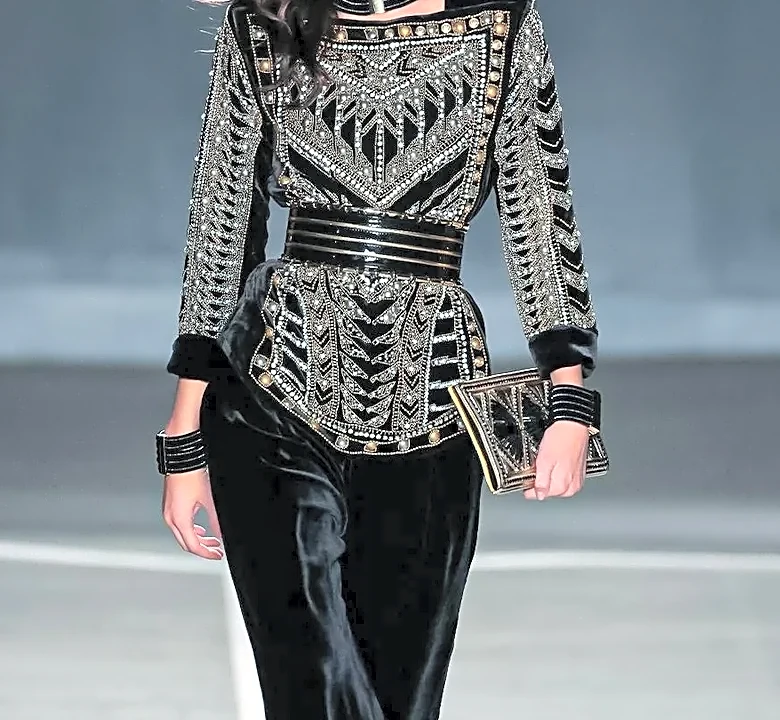
For decades, Parisian eveningwear was synonymous with formidable structure. Think of Christian Dior's boned bodices or Yves Saint Laurent's iconic Le Smoking tuxedo, which relied on sharp, architectural tailoring. These garments were masterpieces of construction,
designed to mold the body into an idealized form. The fabrics were often heavy and sculptural—taffeta, thick satin, and velvet—lending the wearer an air of untouchable glamour. This approach was about creating a powerful silhouette, a piece of wearable art that announced its presence. But as the recent Spring/Summer 2027 collections in Paris have shown, a significant shift is underway. The armor is coming off, replaced by something softer, more personal, and profoundly fluid.
Anatomy of a 'Liquid' Fabric
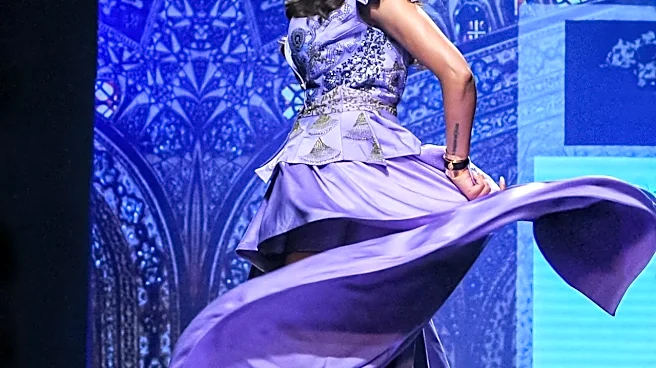
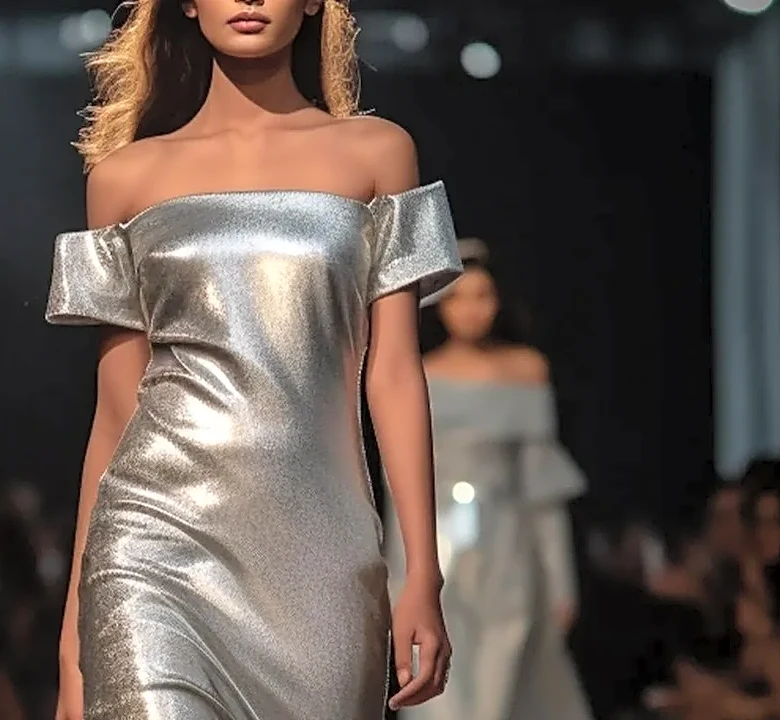
The engine of this change is a category of textiles collectively known as 'fluid fabrics'. These aren't new inventions, but their widespread embrace in high-end eveningwear marks a turn. We're talking about silk charmeuse, lightweight crepes, sheer chiffon, viscose jersey, and high-shine satins that move like water. Their defining characteristic is the 'drape'—the way a fabric falls and folds. Unlike their stiffer cousins, these materials don't stand on their own; they cling, skim, and ripple with every step the wearer takes. This creates what many are calling a 'liquid silhouette', where the fabric seems poured onto the body, catching and reflecting light to create constant, subtle movement. The effect is one of effortless grace, sensuality, and a new kind of confidence that doesn't rely on restrictive construction.
Designers Leading the Charge
During the latest Paris Fashion Week, this trend was impossible to ignore. At Saint Laurent, Anthony Vaccarello presented a collection where gold became the dominant force, rendered in fabrics that moved with liquid-like grace. He transformed house staples like trench coats and safari jackets into shimmering, fluid pieces, while evening looks included draped gowns that felt both powerful and undone. Stella McCartney also championed the movement, with wave-like motifs and rippling fabrics inspired by marine life. Her eveningwear was soft and languid, featuring draped gowns gathered and twisted around the body before falling into elegant columns. Similarly, designers at Dior focused on lightness, using organza and silk mousseline to create weightless forms. Even houses known for avant-garde structure, like Loewe, have been central to this conversation, utilizing lightweight crepe viscose jersey to create dresses built entirely around their draped construction.
A New Definition of Power
This pivot from structure to fluidity isn't just an aesthetic whim; it reflects a broader cultural shift. The new eveningwear suggests a move toward comfort and a different kind of power dressing. Where the old guard used tailoring to create an imposing external shell, the liquid silhouette highlights the person and their natural movement. It’s a quieter, more self-assured form of elegance. This trend champions a 'less is more' approach, where ornamentation is minimal because the fabric's movement is the main event. Knots, twists, and cascading folds replace heavy beading and embroidery. This is dressing that feels personal and freeing, suggesting that true luxury today isn't about being untouchable, but about being comfortable and confident in your own skin. It’s a pragmatic yet deeply romantic response to a world that values agility and ease.