



It's All About Do-or-Die Stakes
A league season is a marathon. A loss in October can be avenged in March. Teams have time to recover from a bad performance, analyze their mistakes, and grind out points over 30-plus games. A cup competition is a sprint through a minefield. From the knockout
rounds onward, there is no tomorrow for the loser. Every tackle, every shot, every referee's whistle carries the weight of finality. This single-elimination structure, familiar to American fans through March Madness and the NFL Playoffs, injects an unparalleled level of tension into every moment. There's no safety net. One mistake, one moment of brilliance, and your tournament is over. That existential dread is what makes watching feel so vital and emotionally charged.
The Magic of the Underdog
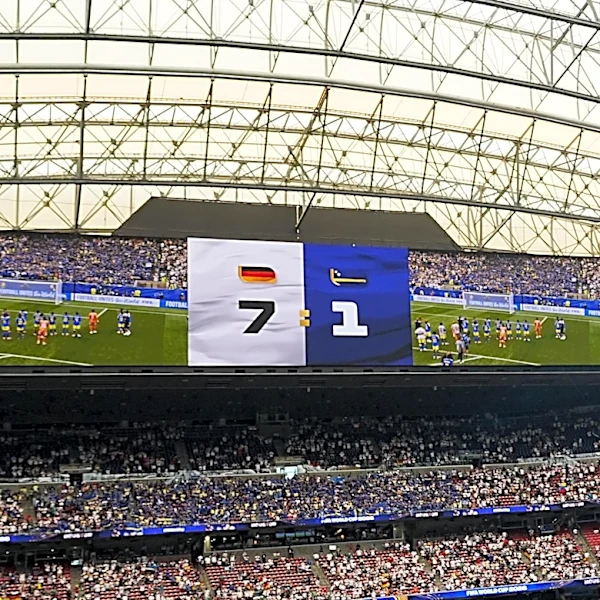
In a long league season, the richest and most talented teams almost always rise to the top. The table, as they say, doesn't lie. But in a cup format, anything can happen in a single 90-minute (or 120-minute) game. This creates the "giant-killing" narrative that is the lifeblood of tournament lore. A lower-league team can knock out a Premier League titan in the FA Cup; a small nation can shock a global superpower at the World Cup. Think of Morocco's incredible run to the 2022 World Cup semifinals. That kind of Cinderella story is nearly impossible over the course of a 38-game season, but it's the very soul of cup football. This potential for a shocking upset makes every game feel like a potential historical event, not just another entry in the win-loss column.
Tapping into National and Tribal Pride
While club rivalries like Real Madrid vs. Barcelona are fierce, they are ultimately about city or regional identity. International cups like the World Cup, the Euros, or the Copa América are about something bigger: the nation. When the USMNT plays Mexico, it’s not just about soccer; it’s a proxy for national pride, history, and culture. Fans who might be bitter rivals on a weekly basis in their domestic leagues suddenly unite under a single flag. This unification elevates the emotional stakes beyond simple sports fandom. The game becomes a shared national experience, a moment of collective hope or heartbreak that transcends club allegiances. It’s a level of tribalism that even the most heated local derby can rarely replicate.
The Power of Scarcity and Spectacle
The Premier League season is a nine-month commitment. The NFL regular season has 17 games. These are fixtures on our calendar. The World Cup, by contrast, comes around once every four years. The Champions League final is a single, massive event that crowns the "King of Europe." This scarcity creates an immense sense of occasion. For a month every four years, the entire world stops to watch the World Cup. It's a global festival. The condensed timeline—a flurry of games over a few short weeks—builds momentum and creates a narrative that a sprawling league season simply can't. It's the difference between a long-running TV series you love and a blockbuster movie event that you *have* to see on opening night. Both are great, but only one feels like a once-in-a-generation spectacle.