


The House That Nolan Built
First, let's define the "Nolan brand." It's not just a name; it's a promise to the audience. It promises massive, practical spectacle, preferably on an IMAX screen. It promises a complex, puzzle-box narrative that respects your intelligence, dealing with
big ideas like time, identity, and morality. It promises a certain kind of serious-minded, large-scale filmmaking that feels increasingly rare. From the gritty realism of The Dark Knight trilogy to the mind-bending concepts of Inception and the stark historical weight of Oppenheimer, Nolan has built a brand by making original, adult-oriented blockbusters that feel like genuine cinematic events. The nearly $1 billion box office for Oppenheimer—a three-hour, R-rated biopic—proved that Nolan himself is the franchise. He’s one of the only directors whose name alone can open a movie, a level of trust he earned by delivering consistently for over two decades.
A Journey Outside the Comfort Zone
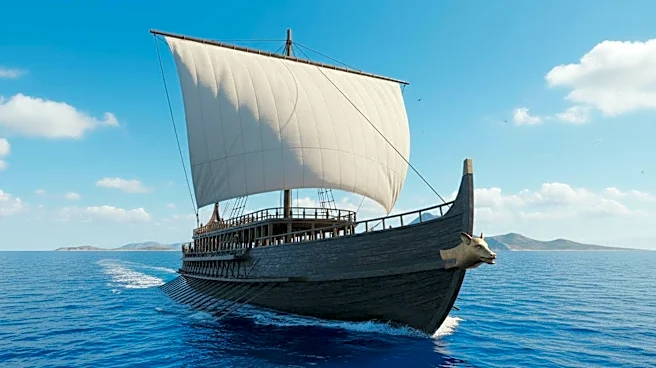
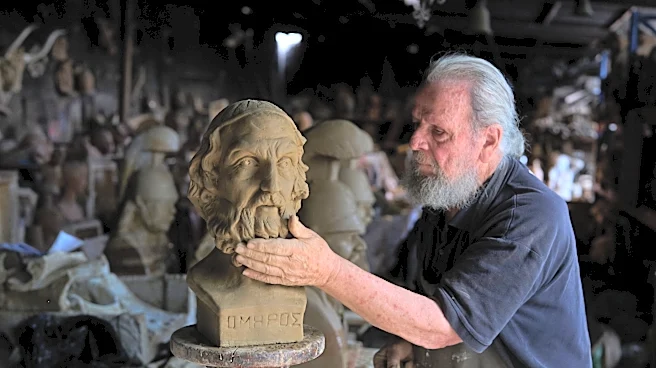
On the surface, The Odyssey seems like a radical departure. Nolan's films are typically grounded in a recognizable reality, whether it's the streets of Gotham or the landscapes of World War II. His science fiction is rooted in physics; his history is meticulously researched. Homer’s epic, however, is pure myth. It's a world of one-eyed giants, seductive sorceresses, and vengeful gods. Adapting it presents a formidable challenge that has stymied many filmmakers: its episodic nature can feel disjointed, its hero is morally complex and often unlikable, and the tone can easily slide into the campy realm of swords-and-sandals B-movies. This isn’t a time-bending thriller or a historical drama. It's a foundational text of Western literature, full of elements that defy Nolan's signature realism.
The Blank-Check Gamble
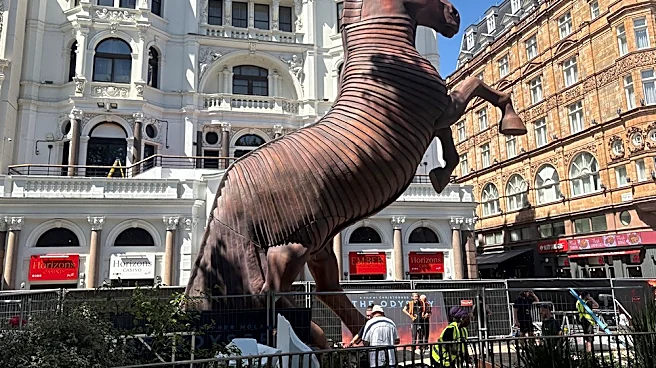
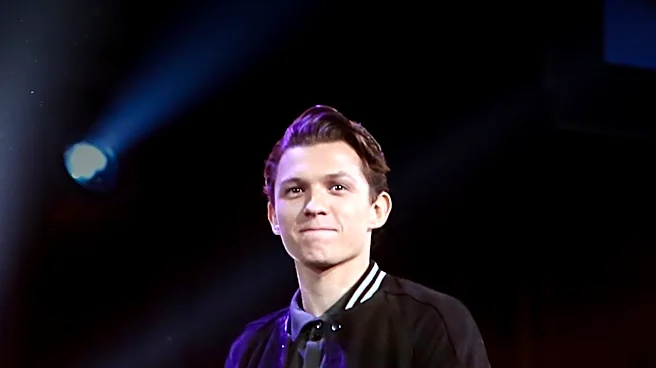
This is precisely what makes the project so fascinating. Following the monumental success of Oppenheimer, Nolan has been given the ultimate blank check by Universal Pictures. He has the creative freedom and financial backing to attempt something few others would be trusted with: a massive, $250 million, R-rated adaptation of an ancient poem. Universal is betting not on the commercial prospects of Homer, but on the proven commercial power of Christopher Nolan. He is bringing his usual A-list collaborators, including Matt Damon as Odysseus, Anne Hathaway, and Tom Holland, and is shooting the entire film with new, quieter IMAX cameras to capture sound during dialogue scenes—a first for the format. He is approaching the material not as fantasy, but as a grounded, human story, aiming to fill what he calls an "odd gap in movie history." He’s betting that his methods—practical effects, intricate storytelling, and immersive sound—can make the mythic feel real.
The Ultimate Test of Brand Power
Ultimately, The Odyssey isn't just another movie; it's a referendum on the power of an auteur in a franchise-dominated landscape. If it succeeds, it will prove that a director's brand can be powerful enough to sell not just an original idea, but one of the oldest ideas in the world. It would validate Nolan’s belief in a "post-franchise" era where audiences crave unique cinematic experiences. But if it fails, it might suggest a hard ceiling on that power. It could signal that even for Nolan, some genres are too niche, some stories too ancient for modern blockbuster audiences. The film is already navigating minor controversies over casting and design choices, but the central question remains. Can the man who made a physicist a box office hero do the same for a wandering Greek king? The answer will tell us a great deal about the future of ambitious, original filmmaking.