




Every October, as horror movie marathons begin, a familiar debate reignites. In one corner, fans of Classic Monsters champion the gothic dread of Dracula and Frankenstein. In the other, Slasher devotees praise the visceral terror of their favorites.
Atmosphere vs. Adrenaline
The
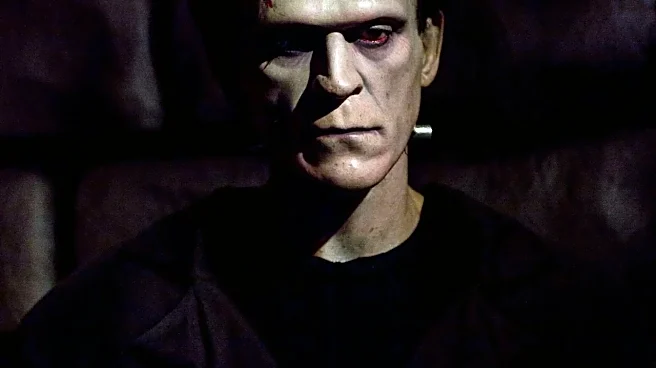
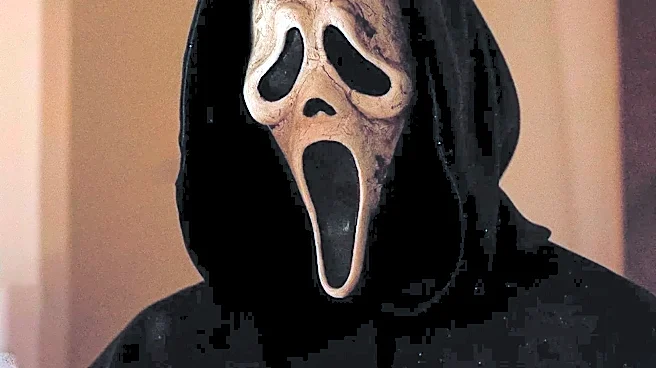
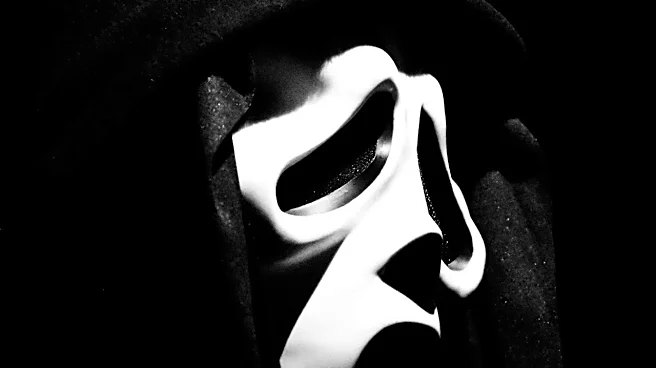
fundamental difference lies in what each subgenre wants you to feel. Classic monster movies, like those from Universal Pictures in the 1930s and 40s, are built on atmosphere and a creeping sense of dread. They use shadows, fog-drenched castles, and a palpable sense of the uncanny to create horror. The terror comes from the transgression of nature, the forbidden knowledge, and the supernatural breaking into our world. The pace is often slower, allowing tension to build through mood rather than a body count. Slasher films, which exploded in the late 1970s and 80s, trade gothic dread for a shot of pure adrenaline. Their goal is to generate shock and suspense through relentless, often graphic violence. The horror isn't in the atmosphere of a distant castle but in the terrifying idea that a silent, masked killer could be stalking a familiar suburban street. The fear is immediate, physical, and grounded in the brutal reality of the hunt.
The Soul of the Monster
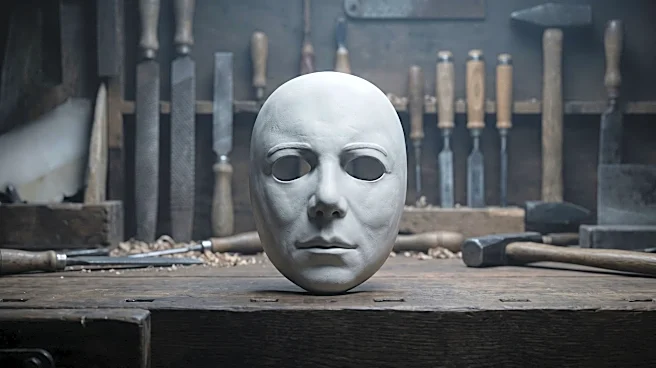
How you feel about the villain is a major dividing line. Classic monsters are often tragic, complex characters. Frankenstein’s monster is a lost soul rejected by its creator, Dracula is a lonely aristocrat cursed with an unholy thirst, and the Wolf Man is a good person afflicted by an uncontrollable disease. They are 'monsters' but they possess a flicker of humanity, inviting sympathy and even pity. Their evil is often rooted in a tragic backstory or a supernatural curse, making them characters we can analyze and understand. Slasher villains, in contrast, are defined by their lack of humanity. Michael Myers is described as 'purely and simply evil'; a blank, emotionless shape. Jason Voorhees is a relentless revenant driven by a primal urge for vengeance. These killers are often silent, masked, and seemingly motiveless beyond the act of killing itself. They are not characters to be understood, but forces of nature to be fled. This ambiguity makes them terrifying in a different way—they represent the chaotic, senseless violence that can erupt without reason.
The Brain vs. The Will to Survive
The heroes of these stories also highlight the divide. Classic horror often features a protagonist who is an expert or scholar, like Professor Van Helsing. This hero battles the monster by studying its lore, understanding its weaknesses, and using intellect to defeat the supernatural threat. The conflict is one of knowledge and ancient rules, a chess match against a powerful, otherworldly opponent. The slasher genre gave birth to a different kind of hero: the 'Final Girl'. This character, typically a resourceful and resilient young woman, doesn't survive because she understands the killer's mythology. She survives through sheer force of will, endurance, and her ability to turn the environment into a weapon. She isn't an expert on vampires or werewolves; she is an ordinary person who proves to be extraordinarily tough when pushed to the absolute limit. Her victory is one of grit, not esoteric knowledge.
A Different Kind of Fear
Ultimately, the clash between these fanbases isn't about which subgenre is 'scarier,' but about what kind of fear they seek. Classic monster fans are often drawn to the romance of gothic horror, the philosophical questions about humanity, and the fear of the unknown. It's a more intellectual and atmospheric horror that lingers in the mind. Slasher fans, on the other hand, often crave the visceral thrill of the chase and the shocking satisfaction of survival. It’s a more primal and immediate fear, rooted in the tangible threat of physical violence. The horror is less in the 'why' and more in the 'what's next.' The argument is a matter of taste, pitting the fear of a tragic, supernatural 'other' against the terror of an unstoppable, all-too-human force.