



The Double-Edged Sword of Thrifting
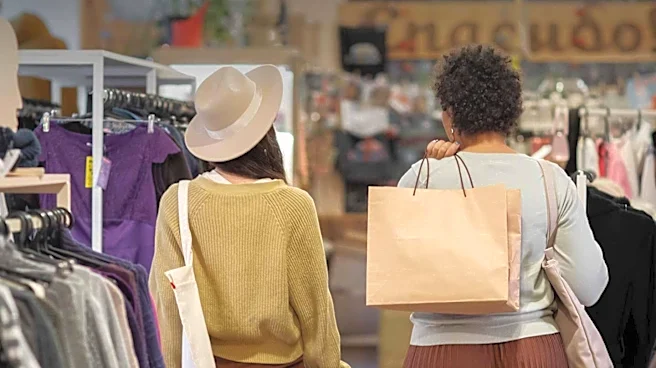
For years, thrifting has been framed as the perfect antidote to fast fashion's sins. It’s sustainable, affordable, and offers a unique personal style. But as its popularity has exploded, a phenomenon known as 'thrift gentrification' has taken hold. Once
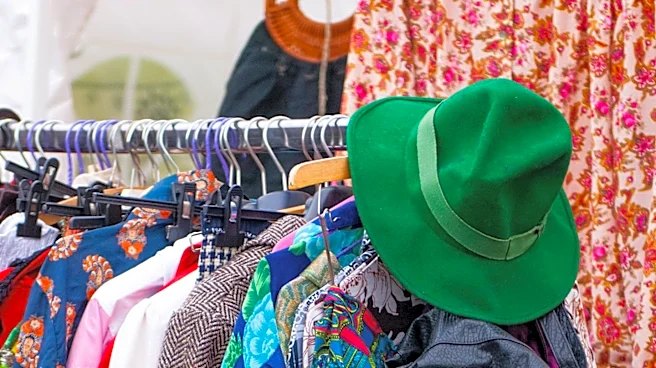
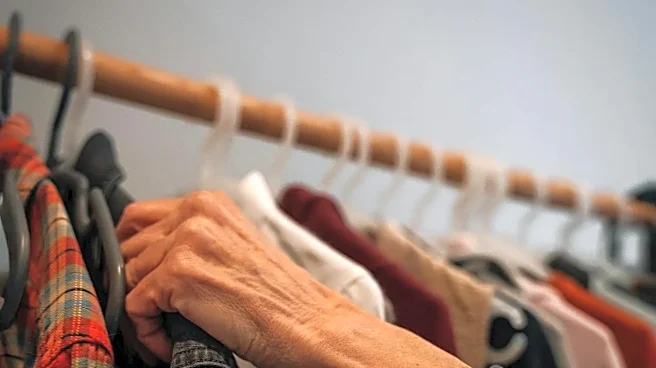
a vital resource for low-income communities, thrift stores are now a trendy hunting ground for middle-class shoppers and online resellers. This surge in demand has led some stores to increase prices, pushing out the very people who rely on them for essential clothing. Influencers and Depop flippers scour the racks for vintage treasures to sell at a significant markup, further shrinking the pool of accessible, quality garments. The ethical high ground of secondhand shopping becomes complicated when it inadvertently contributes to the scarcity faced by others. It raises a difficult question: can a practice be both an environmental solution and a social problem at the same time?
Knockoffs, 'Dupes,' and Class Rebellion
The conversation around knockoffs is also shifting. For decades, a fake luxury bag was a mark of shame. Today, it’s often rebranded as a savvy 'dupe,' and openly celebrated online. This change signals more than just a quest for a bargain; it’s a quiet rebellion against a luxury industry built on exclusion and inflated pricing. When a designer handbag’s cost is divorced from its material and labor, what are consumers really paying for? Often, it's the brand name and the status it signals. For many, especially younger generations, buying a nearly identical 'dupe' feels like hacking a rigged system. It’s a way to participate in trends and aesthetics that would otherwise be financially inaccessible. While counterfeit goods that directly copy logos remain illegal and are often tied to unethical labor, the legally gray 'inspired by' dupe occupies a different space—one that challenges the very definition of value and questions who gets to participate in the world of high fashion.
'Haul Culture' and the Performance of Consumption
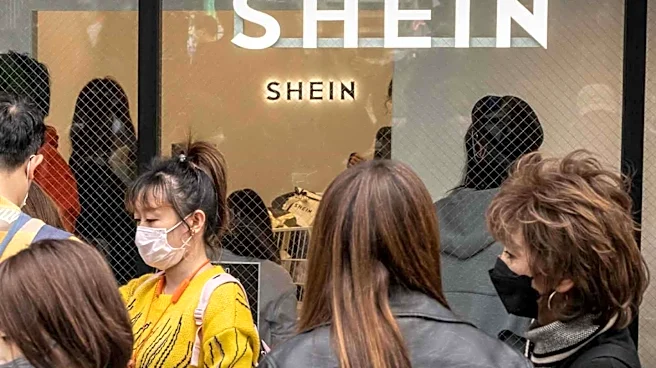
If thrifting is about sustainability and dupes are about access, 'haul culture' is about the sheer spectacle of consumption. Popularized on YouTube and now thriving on TikTok, haul videos feature creators showcasing large quantities of recently purchased items. This phenomenon glorifies overconsumption, turning shopping into a form of entertainment and personal identity. The constant pressure to buy more, to keep up with micro-trends, and to perform wealth online is the logical endpoint of fast fashion. It fuels a cycle of disposability, where clothes are worn a few times for content before being discarded. Hauls create a distorted reality where endless acquisition is seen as normal and aspirational, contributing to millions of tons of textile waste annually. This culture reduces personal style to a rapid-fire series of trends, depleting both our wallets and the planet’s resources.