


The Suit is the Story
In the world of British drama, a suit is rarely just a suit. It’s a piece of storytelling, an extension of the character, and a direct link to a centuries-old craft. While a costume department can assemble an outfit, creating a garment that truly defines
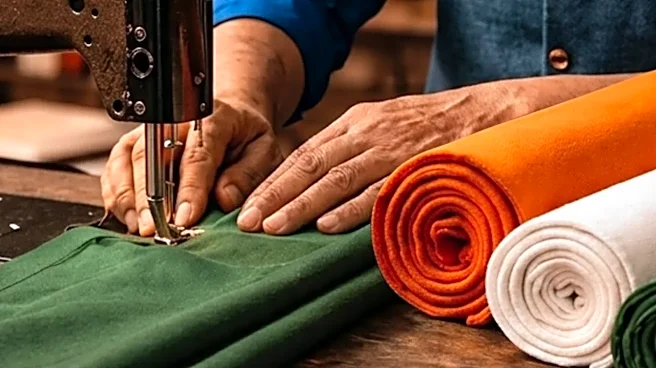
a character—be it a spy, a royal, or a gangster—often requires a different level of artistry. This is where the bespoke tailors of London's West End, particularly the famous Savile Row, come in. These artisans aren't merely making costumes; they're building character from the cloth up. A bespoke suit, cut from a unique pattern drafted for the actor and sewn by hand over dozens of hours, carries a weight and authenticity that can’t be replicated off the rack. It informs the actor's posture and movement, subtly communicating status, personality, and power before a single line of dialogue is spoken.
From Savile Row to the Silver Screen
The connection between London's tailoring elite and filmmaking is a long and storied one. Houses like Anderson & Sheppard and Huntsman, both established over a century ago, have dressed generations of on-screen icons. Anderson & Sheppard, known for its softer 'English drape' cut that offers comfort and elegance, has tailored for creative types and stars like Fred Astaire, who needed freedom of movement without sacrificing his sleek silhouette. More recently, their work has been seen on Daniel Craig as James Bond in 'No Time to Die'. Perhaps the most famous modern example is Huntsman, which served as the literal and spiritual inspiration for the 'Kingsman' film franchise. Director Matthew Vaughn, a long-time client, conceived the idea of a spy agency hidden within a tailor shop during one of his fittings. The Huntsman storefront on Savile Row became the face of the Kingsman headquarters, cementing the link between the modern gentleman spy and his bespoke 'armour'.
The Art of the Bespoke Character
Creating a suit for a film is a collaborative dance between the costume designer, the actor, and the tailor. The process begins with extensive conversations to understand the character's background, personality, and the physical demands of the role. A designer might bring historical research, paintings, or specific visual cues to the table. The tailor then translates these ideas into fabric and form. It involves taking dozens of precise measurements and creating a unique paper pattern. Several fittings are required to perfect the garment, ensuring it not only looks right but feels right for the performance. For period dramas, this process is even more intense, as tailors work to recreate historical silhouettes with absolute precision, ensuring the clothing helps transport the audience to another time. The result is a garment that feels lived-in and authentic, a second skin that helps the actor fully embody the role.
Hiding in Plain Sight
While Hollywood action heroes might favor practical combat gear, the British screen tradition often equates status and capability with a perfectly cut suit. This tradition isn't just surviving; it's thriving, partly thanks to the visibility these films provide. The 'Kingsman' films, for instance, reportedly sparked a renewed interest in classic British tailoring among a younger, global audience. Yet, for most viewers, the artisans themselves remain invisible. The tailors of the West End aren't seeking the spotlight. Their pride comes from the craft itself—the quiet, meticulous work of transforming cloth into character. They are the unseen artists whose dedication to heritage and detail is stitched into the very fabric of British screen drama, a tradition hiding in plain sight every time we tune in.