




The Two Tribes of Teen Hair
In the world of 1950s teen hair, there were two distinct camps that often mirrored the social divides of high school itself: the conformists and the rebels. For boys, this was the difference between a neat, school-approved crew cut and the rebellious,
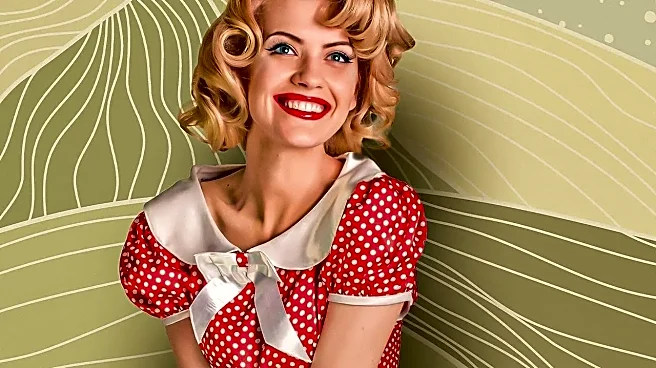
greased-up pompadour. The crew cut was clean, short, and derived from military styles, projecting an image of mainstream respectability favored by parents and teachers. On the other side was the 'greaser' look, defined by styles like the ducktail, where hair was meticulously combed back and held in place with pomade. This wasn't just a haircut; it was a statement of disaffection, a visual cue borrowed from working-class aesthetics and a rejection of prim-and-proper norms. For girls, the divide was between the wholesome ponytail, often tied with a scarf, and more glamorous, mature styles. The high ponytail was the signature of the accessible 'girl next door,' popularized by stars like Debbie Reynolds and seen everywhere from the soda fountain to the school dance. It was youthful, practical, and a clear signifier of the new, distinct teenage identity.
Hollywood and the Rise of Rock and Roll
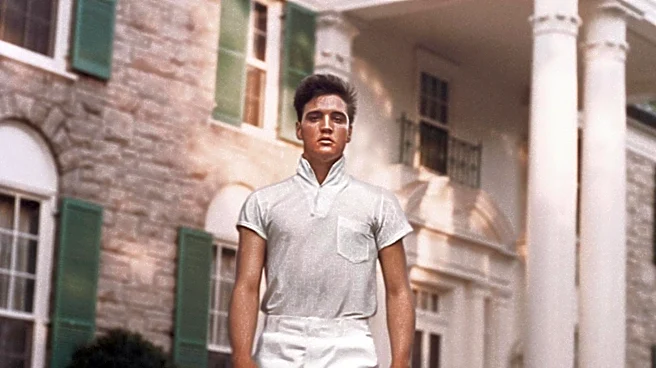
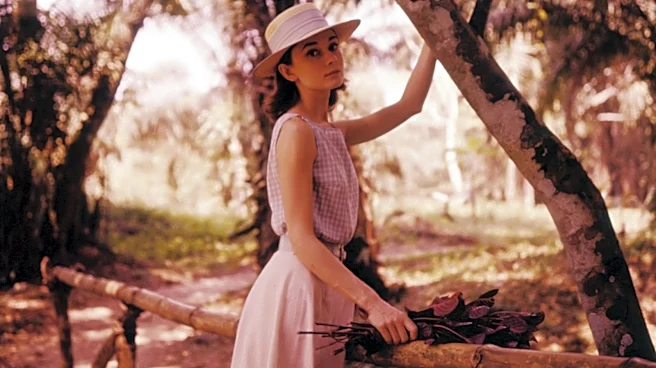
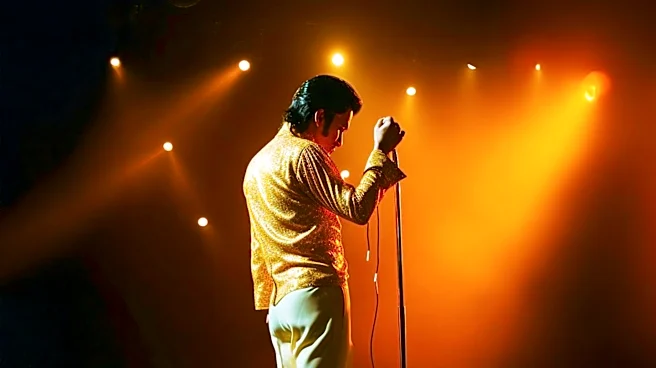
You can't talk about 1950s style without talking about Hollywood and the explosive arrival of rock and roll. These two forces gave teenagers their new idols and, by extension, their new hair goals. For boys, the twin pillars of cool were James Dean and Elvis Presley. Dean’s broody, slightly unkempt hair in films like "Rebel Without a Cause" made youthful angst look impossibly cool, while Presley’s signature pompadour became an international symbol of rock and roll rebellion. Emulating these styles was a way for young men to align themselves with a new, exciting, and defiant youth culture. For girls, the influence came from screen sirens. Audrey Hepburn’s short, chic pixie cut in "Roman Holiday" offered a gamine, sophisticated alternative to longer hair, sparking a trend for European-inspired styles. Meanwhile, stars like Lucille Ball and Peggy Garner popularized the "poodle cut," a style of tight, permed curls that framed the face. These weren't just haircuts; they were identities you could adopt from the silver screen.
A Booming Economy and New Technology
Perhaps the most significant 'hidden' influence was economic and technological. The post-World War II boom created unprecedented prosperity, and for the first time, teenagers emerged as a distinct consumer group with their own disposable income. This newfound buying power meant that fashion and beauty companies began catering directly to them. Suddenly, products meant for styling and maintaining these specific looks became widely available. The most revolutionary of these was aerosol hairspray. This invention was critical for maintaining the elaborate bouffant styles that gained popularity toward the end of the decade, allowing for gravity-defying volume that was previously only achievable in a salon. For boys, brands like Brylcreem became essential for achieving the slick, sculpted look of the greaser. The ability to replicate celebrity hairstyles at home, using products marketed specifically to them, was a key factor in how quickly these trends spread across the country.
More Than a Hairstyle, It Was an Identity
Ultimately, the hairstyles of the 1950s were about much more than just aesthetics. They were a powerful tool for self-expression for the first generation to truly have a distinct youth culture. A boy's haircut could signal whether he was an aspiring 'establishment' man or a rebel. A girl's ponytail versus a sophisticated 'Italian cut' could signify her age and social aspirations, marking the transition from teen to adult. High schools often had strict dress codes that limited hair length for boys, making the choice to grow it out and grease it back a genuine act of defiance. These choices were a way for teenagers to communicate their identity, their alliances, and their aspirations in a world where they were just beginning to find their own voice. It was the first time a generation used style as a primary language of identity, setting a template that would be followed for decades to come.