




The Paradox of the Lonely Giant
When you watch a powerhouse like Manchester City, Real Madrid, or the Argentine national team, you see a masterpiece of possession soccer. They dominate the ball, pinning opponents in their own half for minutes on end. The camera follows the mesmerizing
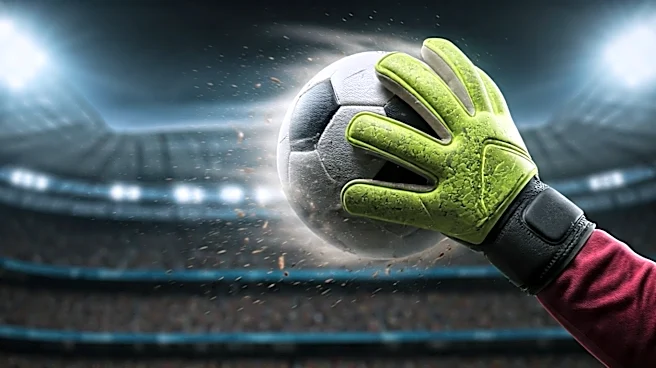
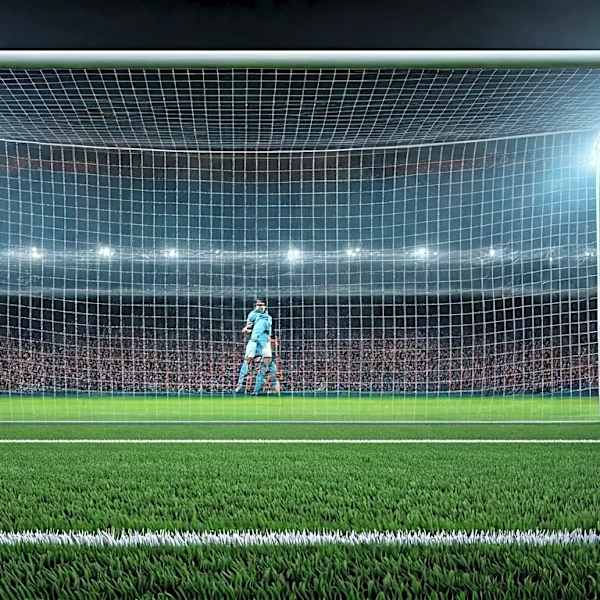
patterns of Messi, De Bruyne, or Vinícius Jr. Far behind them, often standing alone near the center circle, is their goalkeeper. They might not touch the ball for ten or fifteen minutes straight. It looks easy. It looks, frankly, a little boring. But this idleness is a psychological trap. While the keeper on a struggling team is constantly in the action—diving, punching, shouting, and making a dozen saves—the elite keeper lives in a state of suspended animation. Their team’s dominance creates a unique professional hazard: the challenge of staying mentally sharp for the one moment that will inevitably arrive. A sudden counter-attack, a long-range speculative shot, a defensive mistake. After 88 minutes of spectating, they are expected to produce a world-class save with cold muscles and a mind that’s been wandering. It’s a paradox: the better your team is, the harder your job can become mentally.
The Science of Sustained Concentration
This isn’t your typical workplace boredom. It’s a high-stakes test of cognitive endurance. Neurologically, maintaining peak alertness without external stimuli is incredibly taxing. Think of it like an air traffic controller staring at a mostly empty screen, knowing a single blip could appear at any moment requiring an instant, perfect decision. Or a sniper, holding a position for hours for one single, critical shot. Goalkeeping coaches call it “active concentration.” The keeper can’t just switch off; they must constantly run scenarios, read the flow of the game, adjust their positioning by a few yards, and communicate with their defenders. They are the team’s rear-view mirror, seeing the entire field and pointing out dangers their teammates, focused on the ball, might miss. Germany’s legendary keeper Manuel Neuer, a pioneer of the modern role, described it as being “the first attacker.” By thinking offensively and staying involved as a passing option, he forces himself to remain mentally engaged in his team’s possession, not just waiting for the opponent’s attack. This constant mental processing is what separates the great from the merely good. It’s a trainable skill, but one that requires immense discipline.
From Shot-Stopper to Sweeper-Keeper
The evolution of the goalkeeper role is a direct response to this challenge. Decades ago, a keeper’s domain was the six-yard box. Today, for a top team, it’s a 40-yard zone. The rise of the “sweeper-keeper” has been crucial. By playing higher up the pitch, the keeper serves as an extra defender, ready to rush out and intercept long through-balls played over their high defensive line. This tactical shift does two things. First, it’s a vital defensive strategy that allows the rest of the team to press high and dominate territory. Second, it gives the goalkeeper a clear, active job to do. They are no longer just waiting for shots. They are a field player without the ball. Watch Manchester City’s Ederson or Liverpool’s Alisson Becker; they are constantly scanning, shuffling, and providing an outlet pass for defenders under pressure. These touches, however infrequent, are lifelines of engagement that keep their minds in the game. They have become integral to how their teams build attacks, turning a defensive position into the starting point of an offensive play. Their ability to handle the ball under pressure is now just as important as their ability to stop it.
The Moment That Defines a Season
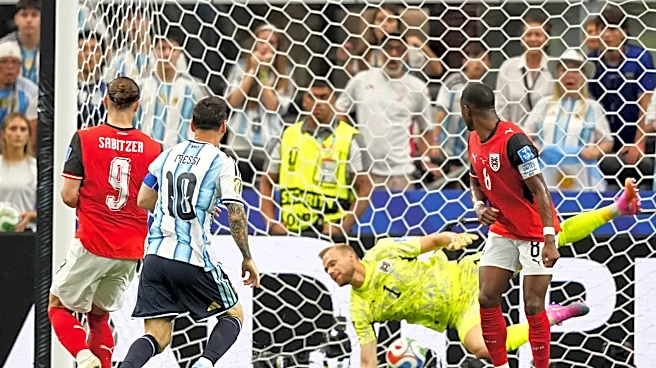
Ultimately, it all comes down to one or two moments. In the 2019 Champions League final, Liverpool’s Alisson had little to do for long stretches as his team controlled the game. But when called upon, he made several crucial saves look routine, securing the trophy. In the 2022 World Cup final, Argentina’s Emi Martínez spent much of the game watching Lionel Messi’s magic. But in the 123rd minute, he produced one of the most iconic saves in soccer history to deny France a certain winner, paving the way for a penalty shootout victory. Both keepers demonstrated the uncanny ability to go from zero to one hundred. They didn't just make the save; they were perfectly positioned, mentally prepared, and technically flawless despite the long lull. This is the currency of the elite goalkeeper. It’s not about the quantity of saves, but the quality and timing. Any lapse in concentration, any moment of mental fatigue born from boredom, and a season’s worth of work can be undone. Cup-winning teams aren’t just built on goals; they’re built on the quiet, unwavering focus of the loneliest player on the field.