



The Tyranny of the Sample Size
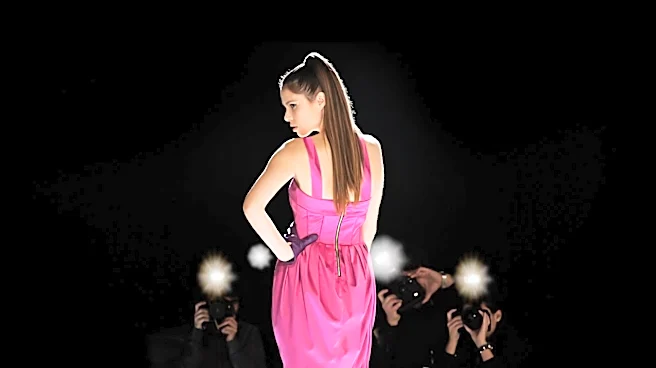
In the world of high fashion, most of the conversation begins and ends with the "sample." This is the prototype garment, the single version of a look that a designer creates to show on the runway and lend to magazines for photoshoots. For logistical and financial
reasons, these are typically made in one standard size. Historically, this has been a US size 0, 2, or 4, built to fit the specific proportions of runway models. The logic is purely practical: it's more efficient to have one standard size for a collection that models must fit into, rather than refitting garments for dozens of different bodies. This single, tiny garment becomes the currency of the red carpet. When a stylist wants to dress a celebrity, their first point of access is almost always this lone sample, shipped from a showroom in Paris, Milan, or New York. And that's where the trouble often begins.
The Stylist's Nightmare Scenario
Imagine the scene: a stylist, a celebrity, and a multi-thousand-dollar gown that won't zip. This is the nightmare scenario that keeps Hollywood's image-makers up at night. With millions of eyes and cameras ready to scrutinize every seam, a poor fit isn't just a fashion faux pas; it can be a PR disaster for both the star and the brand. Stylists are under immense pressure to deliver a perfect moment. When the sample doesn't fit, a series of frantic decisions must be made, often in a luxury hotel suite just hours before the event. It's a logistical scramble that the public never sees, one that tests relationships, creativity, and nerves.
Option A: The Art of the Alteration
If the fit is close but not quite right, the first line of defense is a master tailor. But this isn't your neighborhood dry cleaner. Top celebrity stylists have expert seamstresses on call who can perform fashion surgery under extreme pressure. They might be flown in to completely deconstruct and rebuild a gown, adding hidden panels, letting out seams, or even sewing a celebrity directly into their dress when a zipper breaks. According to fashion insiders, almost nothing a celebrity wears is truly "off the rack." Garments that are too big are often pinned and clipped from behind to create a perfect silhouette for the cameras. For a dress that's too small, however, the work is far more complex and requires a level of artistry that can make or break the entire look.
Option B: The Power of the Custom Gown
For A-list stars, there's another, more exclusive option: bypassing the sample size altogether. Major fashion houses will often work with top-tier celebrities to create a fully custom gown, made to their exact measurements. This is the ultimate status symbol, signaling that a star is important enough for a designer to invest significant time and resources. Sometimes a brand will create a bespoke version of a runway look; other times, it's a completely new design born from a collaboration between the star, their stylist, and the designer. This arrangement highlights the clear hierarchy in Hollywood—while some stars struggle to get a loaner dress, others have couture houses at their beck and call.
Option C: The Scramble for a Backup
What happens when a dress can't be altered and a custom piece isn't an option? The stylist hits the phones. Every experienced stylist prepares for the worst by having at least one backup dress ready for any emergency. If the primary look fails, they initiate a last-minute scramble, calling in favors from other designers and showrooms. This can result in a rack of dozens of alternative gowns arriving at the last minute. The celebrity might end up wearing a dress from a completely different designer than originally planned. This explains why sometimes a celebrity's red carpet look feels disconnected from their usual style—it may have been choice number three, four, or five.
When Fashion Fights Back
In recent years, many celebrities have gone public with their frustrations over sample-size culture. Stars like Christina Hendricks, Melissa McCarthy, Danielle Brooks, and Bebe Rexha have all shared stories of designers refusing to dress them because they weren't a size 0 or 2. These moments have helped spark a broader conversation about body diversity and inclusivity in fashion. In response, some designers, like Christian Siriano, have built their brands around a commitment to dressing women of all sizes, proving that great style isn't limited to a single measurement. These conversations are slowly chipping away at an industry standard that has long felt exclusionary to many.