





The Ghost of '66
To understand the burden, you have to start in 1966. That was the year England, playing on home soil, won its first and only World Cup. Bobby Moore lifting the trophy, Geoff Hurst's hat-trick—these are not just historical footnotes; they are the founding
myth of modern English football. For decades, that singular triumph has served as both an inspiration and an impossible benchmark. Every team since has been measured against that golden summer, and every failure has been amplified by the long shadow it casts. It created a national expectation that has rarely been met, turning every subsequent tournament into a quest to recapture a moment most living fans never even witnessed.
A Masterclass in Heartbreak
The burden isn’t just about not winning; it’s about the devastatingly creative ways England has found to lose. For American fans accustomed to a dramatic Game 7, imagine that drama concentrated into a single, recurring nightmare: the penalty shootout. The litany of failures is seared into the national psyche: the tears of Paul Gascoigne in 1990 after a semi-final loss to West Germany; current manager Gareth Southgate’s own penalty miss at Euro '96; David Beckham's red card against Argentina in 1998. These aren’t just defeats; they are dramatic, narrative-rich moments of collapse that have historically defined the team on the world stage, adding layer upon layer of scar tissue for its supporters.
The Soundtrack of Suffering
You can’t talk about England's burden without talking about “Three Lions,” the song that has become the unofficial anthem of the fans. Released for Euro '96, the lyrics “Thirty years of hurt, never stopped me dreaming” perfectly captured the essence of English fandom: a deep-seated pessimism born from experience, coupled with an irrational, undying hope. The chorus, “It’s coming home,” has become a global meme, but its origin is a wry, almost satirical acknowledgment of the long wait. The song isn't a boast; it’s a prayer. It’s the sound of a fanbase that expects the worst but still, somewhere deep down, allows itself to believe this time might be different.
Cautious Optimism in 2026
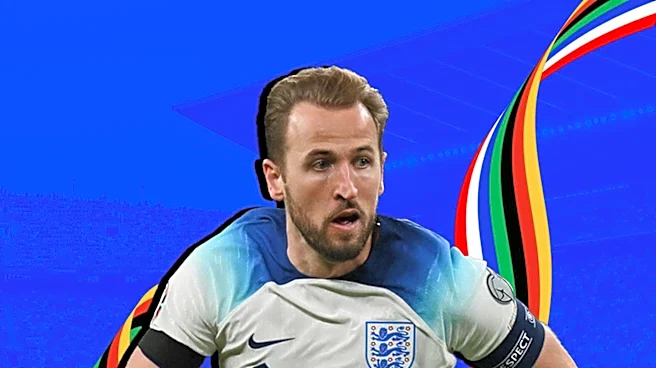
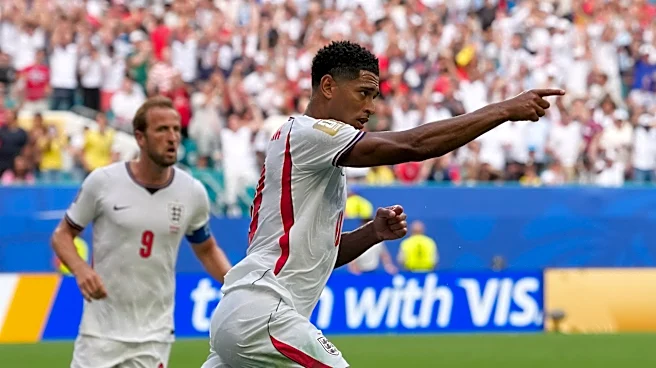
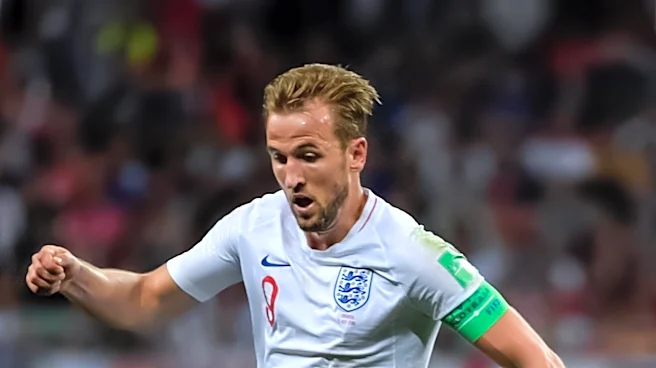
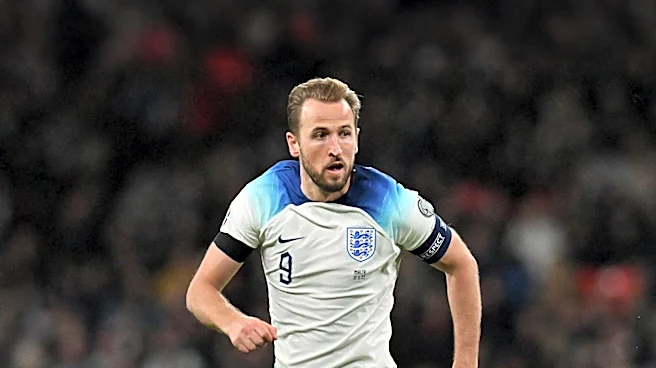
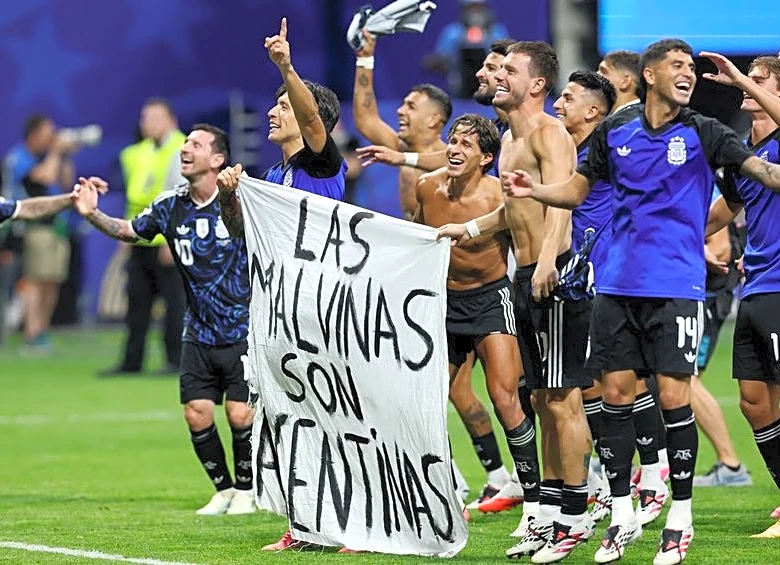
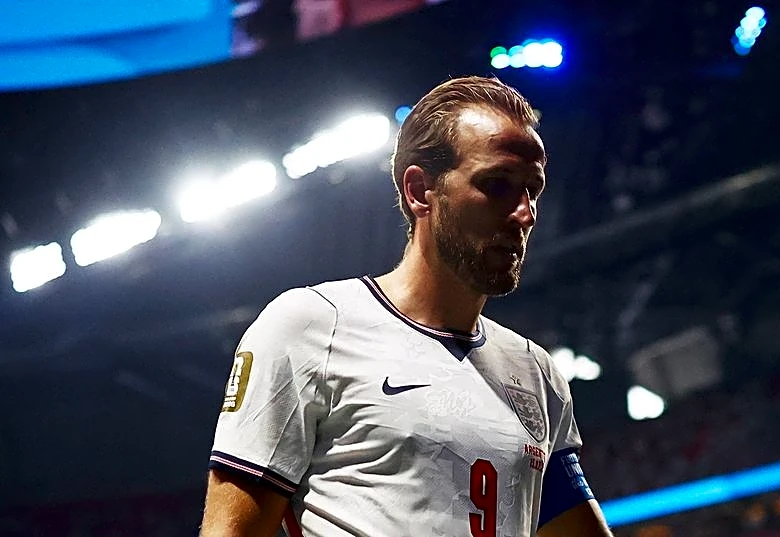
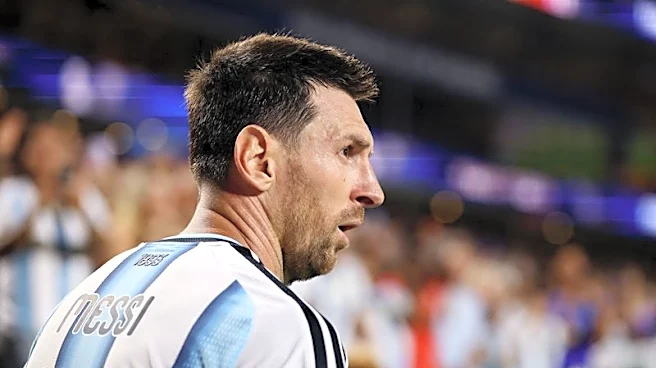
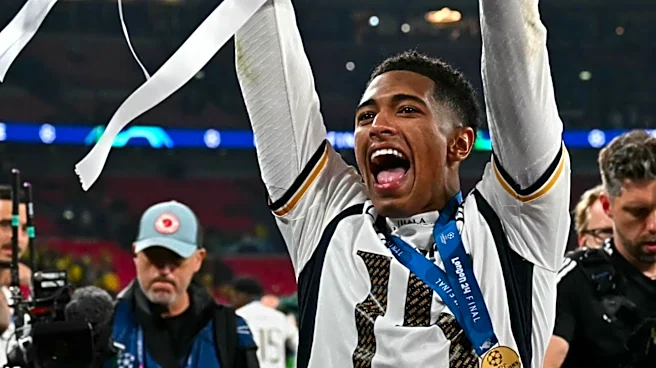
Which brings us to now. This current England squad feels different. After reaching the semi-finals of the 2018 World Cup and the final of Euro 2020, a generation of players led by global superstars like Jude Bellingham and Harry Kane has replaced the fear of failure with a quiet confidence. As of July 14, 2026, they have navigated a tense World Cup, overcoming Norway in the quarter-finals to set up a massive semi-final clash with Argentina. While their performances haven't always been dominant, they've found ways to win, scraping through tight knockout games. The question hanging in the air in pubs and living rooms across England is whether this group can finally, actually, lift the burden their predecessors have carried for so long.