




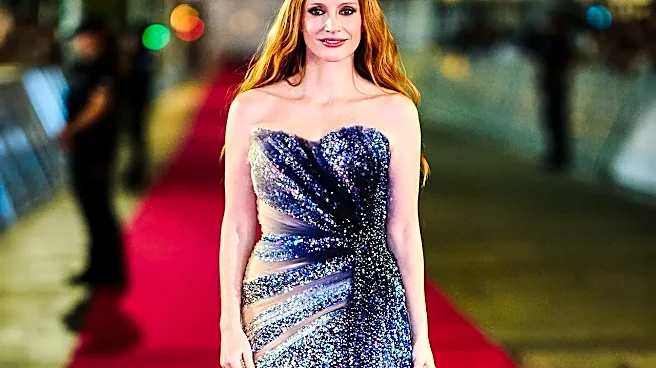
Defining the Screen-Siren Aesthetic
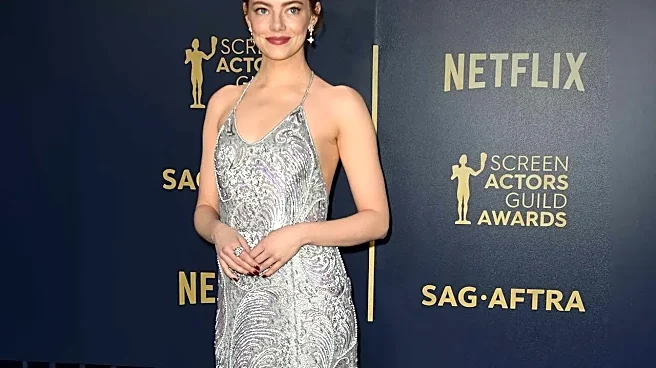
The screen-siren look is a direct homage to the Golden Age of Hollywood. Think less experimental, more archetypal. The formula was specific and potent: sculpted waves with a deep side part, a classic red or nude glossy lip, and sharp winged eyeliner.
Gowns were equally important, often featuring structured silhouettes like mermaid or column styles, rich fabrics such as satin and velvet, and dramatic elements like plunging necklines or elegant trains. The goal wasn't to break the internet with a shocking look, but to embody a timeless, cinematic elegance that felt both aspirational and deeply familiar. It was about polish, glamour, and a standardized ideal of beauty that radiated confidence and control.
A 2000s Red Carpet Revival
While Old Hollywood glamour has always been a red carpet reference, it reached a fever pitch in the 2000s. This was the decade of prestige television's ascent, with shows that were more cinematic and character-driven than ever. Programs like "Sex and the City," "The Sopranos," and later, "Mad Men" and "Desperate Housewives" brought a new level of artistry—and celebrity—to television. The Emmys red carpet reflected this shift, evolving from a simple awards show procession into a major fashion event. Stars from these hit shows, suddenly catapulted to A-list fame, adopted a look that matched the new, more glamorous era of television. The screen-siren aesthetic was the perfect uniform, projecting seriousness and star power.
The Icons of the Era
Certain actresses became synonymous with this polished aesthetic. The cast of "Desperate Housewives" frequently channeled old-school glamour; Eva Longoria, for instance, often appeared in sophisticated gowns with sleek updos that solidified her status as a major star. The women of "Mad Men," particularly Christina Hendricks and January Jones, brought the show's period aesthetic to life on the red carpet with voluptuous silhouettes and perfectly coiffed hair. Other key figures included Katherine Heigl in her bombshell era, often seen in classic white or jewel-toned gowns, and Blake Lively, who closed out the decade in a memorable plunging red Versace number in 2009. These stars didn't just wear dresses; they embodied a character of pure Hollywood elegance.
The Shift Away from Uniformity
So, what happened to this era of glamorous consensus? The rise of social media in the 2010s played a huge role, shifting the focus from collective trends to individual personal branding. The red carpet became less about adhering to a classic ideal and more about creating a viral moment. Stylists gained prominence, working with stars to craft unique and sometimes avant-garde looks that would stand out in a crowded digital landscape. Furthermore, conversations around beauty diversified. The singular, often exclusionary, ideal of the mid-century screen siren gave way to a broader celebration of different body types, skin tones, and modes of expression. Today's red carpet is a mix of everything: bold architectural pieces, minimalist chic, and, yes, still the occasional nod to Old Hollywood.