

More Than Just a Throwback
Each fall, Universal Studios transforms into a playground for horror fans, and a significant part of its appeal lies in its use of iconic films and characters. The 2026 Hollywood lineup is a perfect example, featuring intellectual properties like the
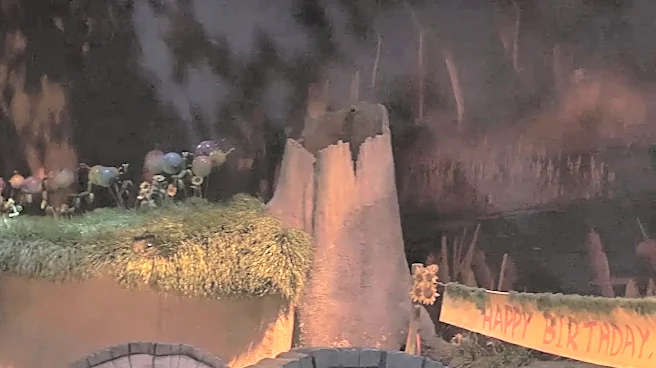
cult 80s classic Killer Klowns From Outer Space alongside genre titans such as Hellraiser and Evil Dead. But calling this mere nostalgia misses the point. The creative team, led for years by figures like John Murdy, doesn't just replicate scenes. They translate them. They take the 2D experience of watching a film and explode it into a 3D, multi-sensory environment where you are the final girl, the doomed adventurer, the next victim. It’s an act of adaptation that requires understanding what made the original property scary and finding new, physical ways to manifest that fear.
Celebrating the Art of the Practical
In an era of digital monsters and CGI-heavy blockbusters, Horror Nights is a full-throated celebration of practical effects. It’s a place where massive puppets, intricate creature suits, and detailed physical sets are the stars. When you walk through a house based on a film from the 70s or 80s, you’re not just revisiting a story; you’re experiencing the craft that defined it. This commitment honors the work of legendary effects artists and reminds us why those classic creatures felt so tangible and threatening. The event’s designers are masters of theatrical illusion, using everything from forced perspective and lighting tricks to scent-based effects and 'boo holes'—hidden nooks for scareactors to emerge from. This focus on physical craft creates an immersive, high-stakes feeling that a screen simply cannot replicate.
Fixing Yesterday's Flaws
Here is where Horror Nights truly shines. The event’s creators are fans, but they aren't blind loyalists. They understand that some older horror films, for all their conceptual brilliance, can be saddled with clunky pacing, cheesy dialogue, or effects that haven't aged gracefully. A haunted house, by its nature, streamlines the experience. It cuts the narrative fat and delivers a highlight reel of terror. The designers can take the single most iconic monster from a two-hour film and put it in your face ten different times in five minutes. They can discard a convoluted plot and focus purely on the atmosphere and key scares. By doing this, they’re not disrespecting the source material; they're refining it. They sand down the imperfections of the past to reveal the terrifying core that made the property a classic in the first place.
Where Originals and Icons Meet
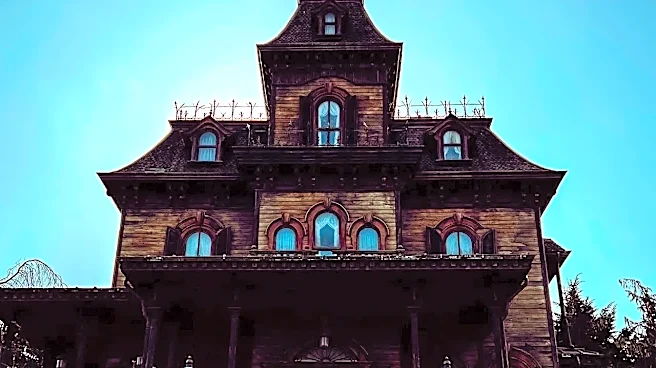
The genius of this approach is also visible in the event’s original concept houses. For 2026, Hollywood has introduced mazes like KILLceañera, featuring music by Slash, and Dead, Deader, Deadest, set in an abandoned funeral home. While these aren't based on existing films, they are built from the bedrock of classic horror tropes: the revenge plot, the haunted building, the blending of celebration and slaughter. These original stories feel right at home alongside houses based on Hellraiser or Ozzy Osbourne because they all speak the same language of horror. They prove that the old-school craft isn't just for resurrecting past glories; it's a living tradition that can be used to build entirely new nightmares from the ground up, making the entire event a cohesive celebration of the genre.