






Material: The Tale of the Hide
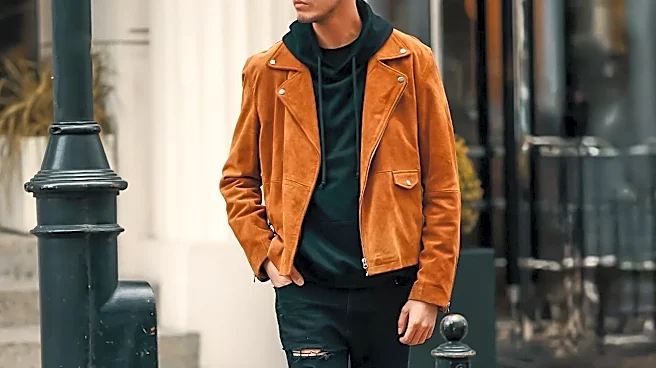
The single biggest price driver is the quality of the suede itself. Suede is made from the underside of an animal hide, giving it that signature velvety nap. Mid-range jackets often use split-grain cowhide. It’s durable and delivers the classic suede look,
but can be stiffer and have a less uniform texture. Some affordable options may even be “faux suede,” a synthetic polyester fabric that lacks the breathability and graceful aging of the real thing. Premium jackets, by contrast, are typically crafted from the hides of lamb, goat, or calf. Lambskin is famously buttery soft and lightweight, while goatskin offers a fantastic balance of suppleness and durability. This higher-grade suede feels smoother, has a denser and more consistent nap, and drapes more naturally on the body. The difference is immediately apparent to the touch and only becomes more obvious with wear.
Construction: The Details That Matter
How a jacket is assembled is just as important as what it’s made from. In the mid-range tier, you can expect functional, but not exceptional, construction. The stitching will be adequate, the lining likely a standard polyester or cotton, and the hardware (zippers, snaps, buttons) will do its job without necessarily feeling substantial. There’s nothing wrong with this, but it’s an area where costs are clearly managed. Step up to a premium brand, and the craftsmanship becomes a key feature. Stitching is finer, denser, and more precise. The linings are often made from superior materials like cupro or silk blends that feel better against the skin and breathe more effectively. The hardware feels weighty and operates smoothly—think satisfying pulls and solid clicks. These details not only contribute to a more luxurious feel but also significantly enhance the jacket’s long-term durability.
Fit and Silhouette: The Art of the Cut
A great jacket is all about the cut, and this is where premium brands invest heavily. Suede is a visually dense material that can be unforgiving. A poorly designed cut can make the jacket look bulky, stiff, or ill-proportioned. Mid-range brands often rely on simpler, more generic patterns to fit a wider range of body types, which can sometimes result in a boxy or awkward fit. Luxury brands spend countless hours on pattern-making, creating silhouettes that are flattering and move with the body. The drape of a premium suede jacket is often superior, falling cleanly over the shoulders and torso without pulling or bunching. This expert tailoring ensures the jacket not only fits better off the rack but also maintains its elegant shape over years of wear.
Longevity and Value: The Long Game
A mid-range suede jacket can be a great way to experiment with the style without a huge financial commitment. However, its lifespan is often shorter. Lower-quality suede can become fuzzy or flat over time, and synthetic linings and less robust construction may show wear within a few seasons. A premium suede jacket, on the other hand, should be viewed as a long-term investment. High-quality suede doesn't just last; it gets better with age, developing a rich patina and character that is unique to the wearer. With proper care—which mainly involves regular brushing and avoiding heavy rain—a well-made suede jacket can last for decades, making its higher initial cost a better value over the long run. It replaces the need to buy multiple cheaper jackets over the same period, making it a more sustainable choice as well.