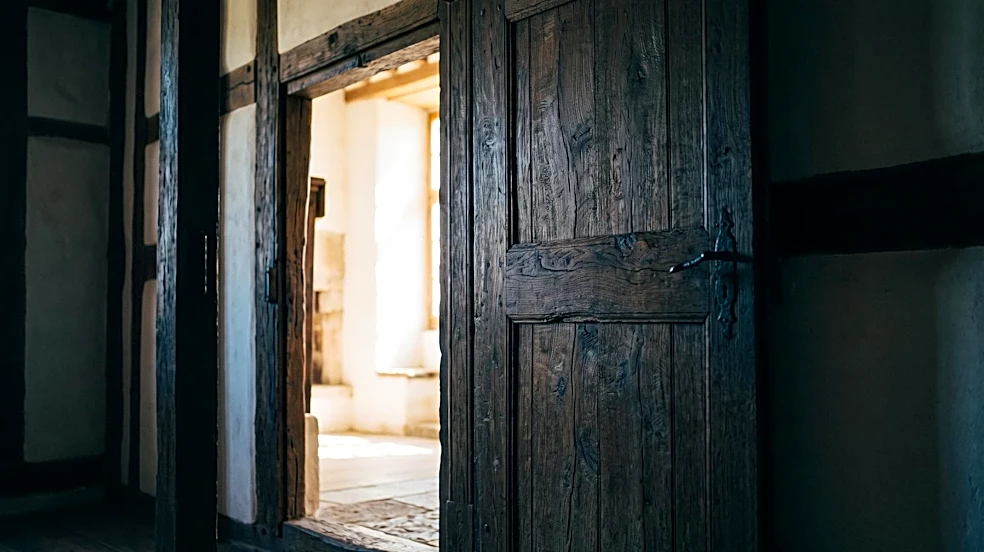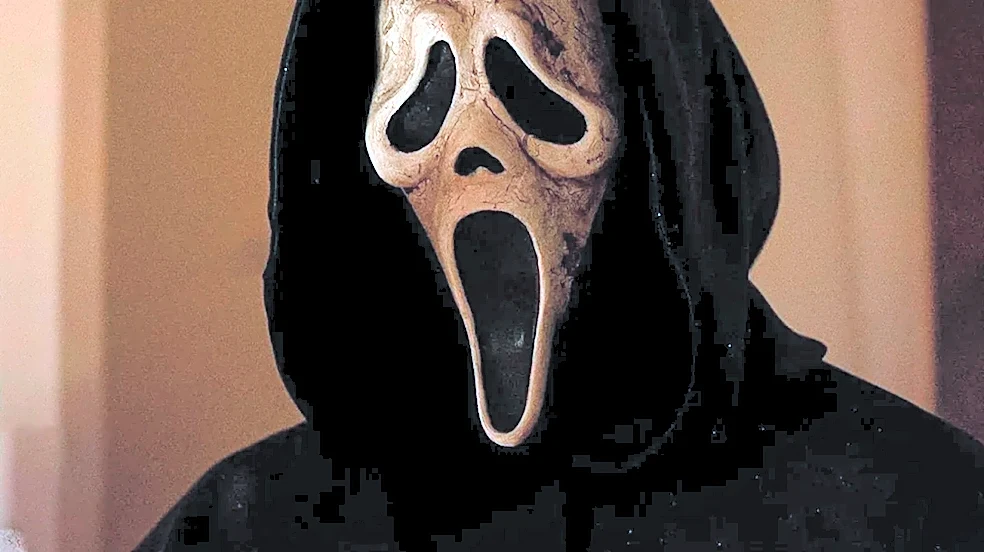



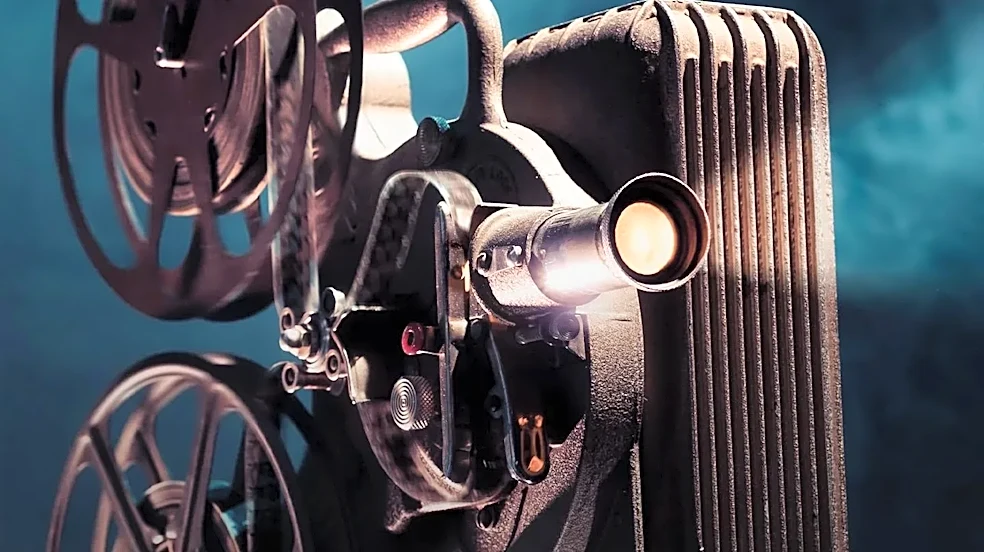
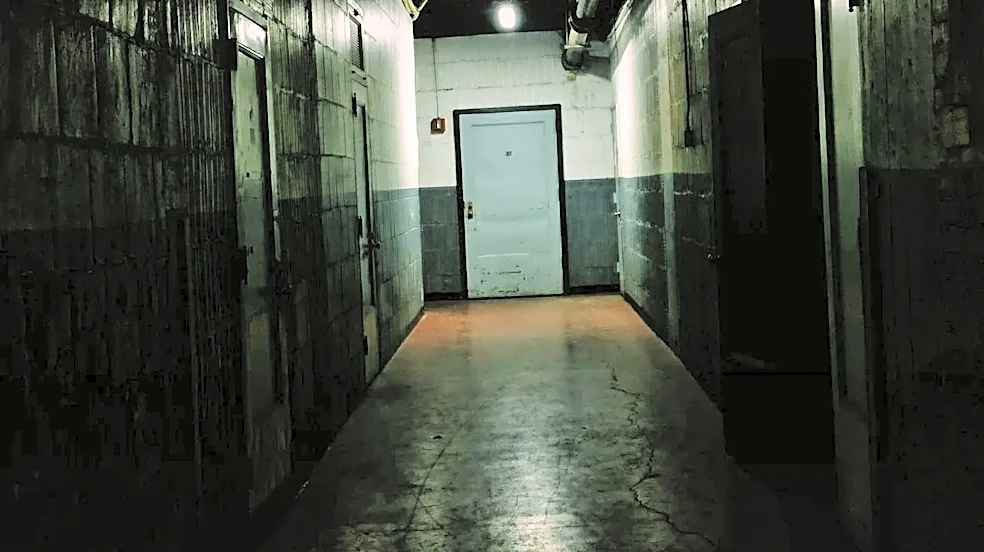
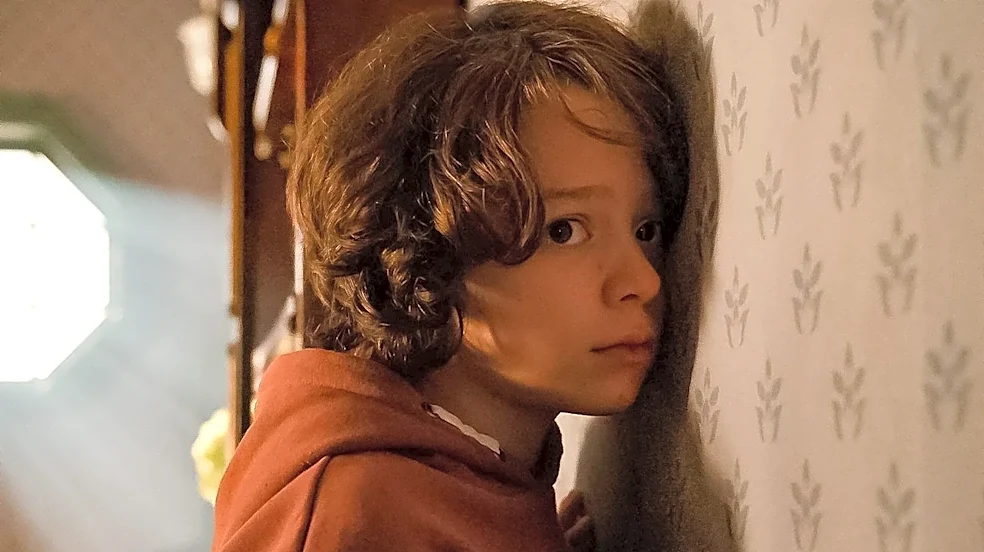

What is the story about? That feeling of creeping dread while watching a slasher film isn't an accident. It’s a carefully crafted illusion, and one of its most powerful tools isn’t a jump scare or a glimpse of a monster, but the patient, agonizingly slow movement of the camera. The Psychology of the Prowl Before we even get to a single masked killer, it’s important to understand why a slow-moving camera is so uniquely unsettling. Our brains are wired to track movement, but cinematic language has trained us to expect certain rhythms. A camera usually moves  with purpose, following a character or revealing key information. The slow, prowling camera of a slasher film subverts this. It doesn't follow action; it is the action. This deliberate pace mimics a predator stalking its prey, forcing the audience into a state of heightened alertness. The tension comes from the agonizing wait. You know something is coming, but the slow crawl stretches time, denying the quick release of a startling sound or sudden reveal and instead marinating you in pure anxiety.  Carpenter’s Masterclass in Menace You can’t talk about this technique without talking about John Carpenter’s 1978 masterpiece, 'Halloween.' The film’s legendary opening sequence is a four-minute, seemingly unbroken point-of-view shot from the perspective of a young Michael Myers. Filmed with a Panaglide stabilizer, the camera glides through the house, picks up a knife, and commits murder. This shot does more than just establish the film's villain; it makes the audience a participant in the crime. We are looking through the killer's eyes. Later, cinematographer Dean Cundey uses wide anamorphic lenses to create vast, empty spaces within the frame, often placing Laurie Strode on one side and leaving the other filled with shadowy potential. The audience is forced to scan these dark corners and empty streets, turning the entire suburban landscape into a hunting ground. Michael often appears as a small, still figure in the background, a ghost in the machine of a peaceful town, before vanishing.  Making the Killer Inevitable The slasher villain is rarely a fast-moving creature. Monsters like Michael Myers, Jason Voorhees, and the entity from 'It Follows' are defined by their relentless, walking pace. The camera’s movement often mirrors this terrifying inevitability. A slow dolly-in on a character who thinks they are safe, or a methodical pan across a room that ends on the killer’s unmoving form, reinforces their inhuman patience. They don't need to run; they will always catch up. The camera's steady, unhurried glide becomes an extension of the killer’s personality: it is methodical, dispassionate, and unstoppable. This turns the act of watching from a passive experience into a feeling of being stalked yourself.  The Terror of the Unseen Perhaps the most powerful aspect of the slow camera move is how it weaponizes the viewer's own imagination. When the camera creeps slowly around a corner or pushes toward a closed door, the most terrifying thing in the scene is what you can't see yet. Filmmakers call this building tension, and it's a pattern of downtime, build-up, and scare. The slow camera move is the ultimate build-up. By refusing to rush, the director gives your mind ample time to populate the shadows with your worst fears. Horror often works by denying the audience clarity. The slow pan across an empty bedroom window or the tracking shot that follows a character from behind forces us to anticipate a threat, making every shadow and every half-open door a potential source of heart-pounding terror. The suspense is not in the monster, but in the waiting for it.  AI Generated Content
Trendpost

What is the story about? That feeling of creeping dread while watching a slasher film isn't an accident. It’s a carefully crafted illusion, and one of its most powerful tools isn’t a jump scare or a glimpse of a monster, but the patient, agonizingly slow movement of the camera. The Psychology of the Prowl Before we even get to a single masked killer, it’s important to understand why a slow-moving camera is so uniquely unsettling. Our brains are wired to track movement, but cinematic language has trained us to expect certain rhythms. A camera usually moves with purpose, following a character or revealing key information. The slow, prowling camera of a slasher film subverts this. It doesn't follow action; it is the action. This deliberate pace mimics a predator stalking its prey, forcing the audience into a state of heightened alertness. The tension comes from the agonizing wait. You know something is coming, but the slow crawl stretches time, denying the quick release of a startling sound or sudden reveal and instead marinating you in pure anxiety. Carpenter’s Masterclass in Menace You can’t talk about this technique without talking about John Carpenter’s 1978 masterpiece, 'Halloween.' The film’s legendary opening sequence is a four-minute, seemingly unbroken point-of-view shot from the perspective of a young Michael Myers. Filmed with a Panaglide stabilizer, the camera glides through the house, picks up a knife, and commits murder. This shot does more than just establish the film's villain; it makes the audience a participant in the crime. We are looking through the killer's eyes. Later, cinematographer Dean Cundey uses wide anamorphic lenses to create vast, empty spaces within the frame, often placing Laurie Strode on one side and leaving the other filled with shadowy potential. The audience is forced to scan these dark corners and empty streets, turning the entire suburban landscape into a hunting ground. Michael often appears as a small, still figure in the background, a ghost in the machine of a peaceful town, before vanishing. Making the Killer Inevitable The slasher villain is rarely a fast-moving creature. Monsters like Michael Myers, Jason Voorhees, and the entity from 'It Follows' are defined by their relentless, walking pace. The camera’s movement often mirrors this terrifying inevitability. A slow dolly-in on a character who thinks they are safe, or a methodical pan across a room that ends on the killer’s unmoving form, reinforces their inhuman patience. They don't need to run; they will always catch up. The camera's steady, unhurried glide becomes an extension of the killer’s personality: it is methodical, dispassionate, and unstoppable. This turns the act of watching from a passive experience into a feeling of being stalked yourself. The Terror of the Unseen Perhaps the most powerful aspect of the slow camera move is how it weaponizes the viewer's own imagination. When the camera creeps slowly around a corner or pushes toward a closed door, the most terrifying thing in the scene is what you can't see yet. Filmmakers call this building tension, and it's a pattern of downtime, build-up, and scare. The slow camera move is the ultimate build-up. By refusing to rush, the director gives your mind ample time to populate the shadows with your worst fears. Horror often works by denying the audience clarity. The slow pan across an empty bedroom window or the tracking shot that follows a character from behind forces us to anticipate a threat, making every shadow and every half-open door a potential source of heart-pounding terror. The suspense is not in the monster, but in the waiting for it. AI Generated Content

This Halloween, what if the goal wasn't to be terrified, but to feel enchanted? The frantic energy of jump-scares is giving way to a quieter, more comforting vibe, perfectly captured by the rise of the 'cottagecore witch' in film. What Is a Cottagecore Witch? First, let's break down the aesthetic. C
US Midterms — The next chapter is up for a vote. Your state's races, voting & news. Read more.
AI Generated
This may include content generated using AI tools. Glance teams are making active and commercially reasonable efforts to moderate all AI generated content. Glance moderation processes are improving however our processes are carried out on a best-effort basis and may not be exhaustive in nature. Glance encourage our users to consume the content judiciously and rely on their own research for accuracy of facts. Glance maintains that all AI generated content here is for entertainment purposes only.