









The Long Shadow of Tiki-Taka
For years, Spanish soccer was trapped by a ghost. The legendary team of 2008-2012, with its midfield metronomes Xavi and Andrés Iniesta, didn’t just win a World Cup and two European Championships; it forged an identity. 'Tiki-taka,' a philosophy of suffocating
ball possession, became Spain’s global brand. But after the icons faded, the identity became a prison. Subsequent Spanish teams tried to replicate the style without the generational players who perfected it. The result was sterile dominance—endless passing with no cutting edge, leading to frustrating early exits in major tournaments. They held the ball, but they lost the plot. For a decade, every Spanish player and manager has lived under the weight of that golden era, tasked with an impossible mission: be the old Spain, but somehow win like them, too.
A New Blueprint: Speed and Verticality
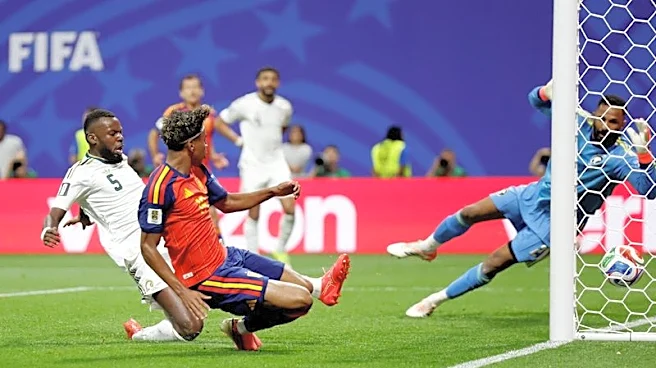
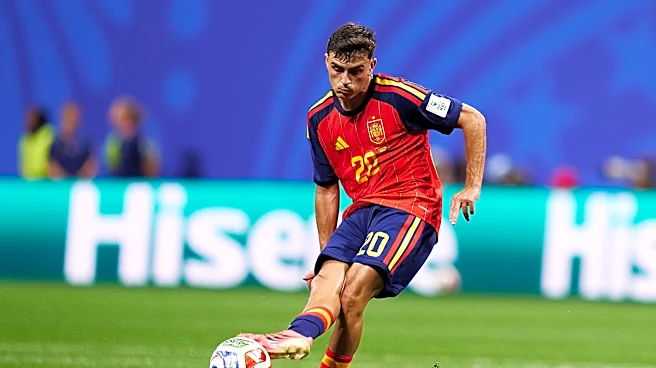
Enter Luis de la Fuente, the current manager, who seems to have understood the core problem: you can't outrun a ghost, so you have to exorcise it. Instead of another tiki-taka tribute act, his team has been rebuilt with a new, thrillingly direct purpose. The foundation is still technical quality, with Manchester City’s Rodri anchoring the midfield. But the engine room has been rewired. The new marching orders are about progress, not just possession. The ball moves forward faster, with intent. The biggest change is on the wings. In Lamine Yamal and Nico Williams, Spain has two of the most electrifying, old-school wingers in the world. Their job isn’t to pass sideways; it’s to terrorize defenders, run at them with blistering pace, and create chaos. It’s a tactical shift that values a devastating counter-attack as much as a 30-pass move.
The Faces of the New Spain
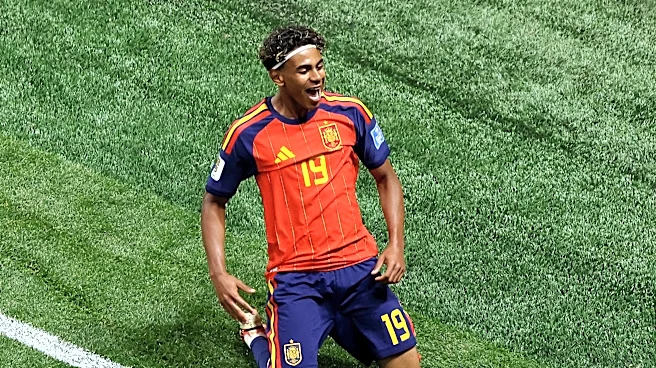
This isn't just a coach's vision; it's embodied by the players. Lamine Yamal, a teenager who plays with the fearlessness of a street baller, is the ultimate symbol of this break from the past. He is pure, uncoached instinct, a world away from the system-first players of the previous generation. On the other wing, Nico Williams offers similar directness and pace. Then there’s Álvaro Morata, the much-maligned striker. For years, he was criticized for not being the clinical finisher Spain craved. But in this new system, his tireless running and ability to link up play have become assets, not liabilities. He’s the grizzled veteran who has absorbed a career of criticism and is now leading the line for a team that finally plays to his strengths. Every player has something to prove: that they are more than just another cog in a failed machine, that they can write their own chapter.
Winning Ugly by Playing Beautifully
The irony is that by letting go of its obsession with 'beautiful football,' Spain is once again playing the most attractive soccer on the planet. But there's a hard-nosed pragmatism behind it now. The flair has a purpose. The dribbles are designed to break lines, not to pad stats. This team is comfortable conceding possession for stretches, confident in its ability to defend as a unit and strike with lightning speed. It's a prove-it story on a national scale. They have to prove they can win without the old guard. They have to prove that Spanish footballing identity is more than a single, decade-old philosophy. And they have to prove it to themselves as much as to the world. The beautiful soccer is the headline, but the grit, hunger, and tactical evolution are the real story.