




The Sugar Rush of the Jump Scare
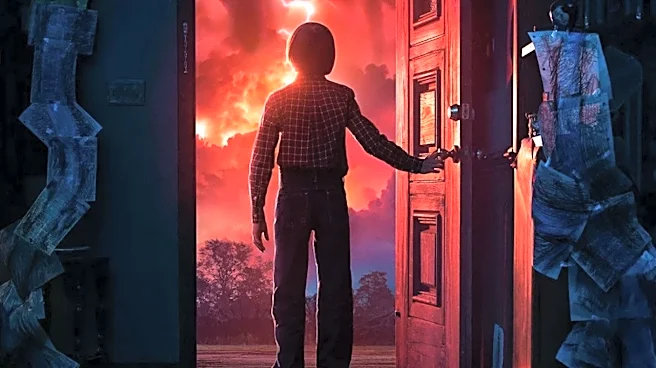
Let’s be honest: a well-executed jump scare works. It’s a primal trick, a loud noise and a sudden movement hijacking our fight-or-flight response. It’s the cinematic equivalent of someone jumping out from behind a door. You’ll yelp, your heart will race,
and for a fleeting moment, you’re terrified. But the effect is just that—fleeting. Like a sugar rush, it provides an immediate jolt followed by a swift return to normal. Horror that relies exclusively on these moments, a trend that has seen a gradual increase over the decades, often feels hollow. The scares become predictable, a series of startling but ultimately empty jolts that release tension rather than building it. After the tenth ghoul pops into frame with a musical sting, the effect wears off, leaving you more annoyed than afraid.
The Unsettling Power of Dread
Slow-burn horror operates on a completely different psychological level. Instead of demanding a reaction, it demands endurance. This style of storytelling, seen in modern classics like Mike Flanagan's 'The Haunting of Hill House' or 'Midnight Mass', forgoes cheap shocks in favor of atmosphere and mood. It’s the art of creating an escalating sense of unease, where the audience understands that something is deeply wrong long before the true nature of the threat is revealed. The horror isn’t in the monster jumping out of the closet; it’s in the slow realization that the closet door is slightly ajar when you know you shut it. It’s a quiet, creeping corruption of the familiar, turning a safe home into a place that feels hostile and aware. This method allows dread to accumulate, getting under your skin and staying there.
When You Care, You're Scared
The true genius of slow-burn horror is its investment in character. A sudden, loud noise can startle anyone, but genuine fear comes from empathy. When a series takes the time to build out its characters—their hopes, flaws, and relationships—we become invested in their fates. The terror is no longer just about what might happen, but who it might happen to. Think of the Crain family in 'The Haunting of Hill House'; the horror works because we feel the weight of their shared trauma and individual pain. The supernatural elements are frightening, but the emotional devastation is what makes the story truly haunting. A jump scare targets your reflexes, but character-driven dread targets your heart. This October, with a crowded slate of premieres including Flanagan's 'Carrie' and the 'Friday the 13th' prequel 'Crystal Lake', the most memorable stories will be the ones that make us care before they make us scream.
A Haunting That Lasts
Ultimately, the difference comes down to the aftereffect. A jump scare is over the second it happens. The tension spikes and then vanishes, and you might even laugh about it a moment later. Slow-burn horror, however, leaves a residue. Because it prioritizes atmosphere and psychological terror, the sense of unease lingers long after the credits roll. The ambiguity and unresolved tension can follow you for days, making you reconsider a dark hallway or a strange noise in your own home. It doesn't just startle you; it changes the way you see the world, even if only for a little while. While the instant gratification of a shock has its place, the deeper, more sophisticated fear crafted by a patient narrative offers a more profound and lasting experience. It is the difference between a quick thrill and a story that truly haunts.