






At first glance, ‘heavy wool’ and ‘compact wool’ might sound like two ways of saying the same thing: a thick, warm fabric for cold days. But the real difference between them is more than just weight—it’s a story of structure, density, and feel.
Deconstructing the Terms: Weight vs. Density
Let's clear
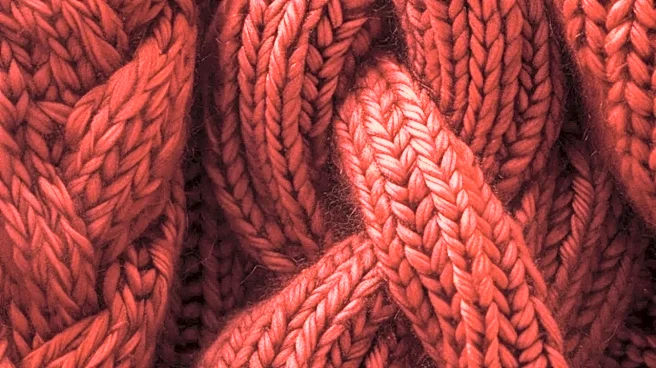
this up first. 'Heavy wool' is a straightforward term that refers to the fabric's weight, usually measured in grams per square meter (GSM) or ounces per yard. Heavy wool fabrics typically start around 400 GSM and can go much higher. Think of a thick, chunky knit sweater or a hefty winter blanket; the sheer mass of the fibers is what makes it 'heavy'. 'Compact wool,' on the other hand, describes the fabric's structure. This isn't an official industry category but a useful way to describe wool that has been processed to be denser. The fibers are tightly interlocked, leaving less air between them. Boiled wool and felted wool are perfect examples. During a process called 'fulling', the wool is agitated in hot water, causing it to shrink and the fibers to mat together, creating a dense, 'compact' textile. So, a wool fabric can be heavy without being very compact (like a loose, thick knit), or it can be compact without being excessively heavy.
The Tale of the Tape: Feel, Drape, and Texture
The difference in structure creates a completely different experience. Heavy wool, especially if it's a looser woolen-spun yarn, often feels fluffy, soft, and plush. It has a cozy, traditional texture and a drape that is substantial but can be quite flexible. Think of a classic cable-knit sweater that hangs with a comfortable weight.
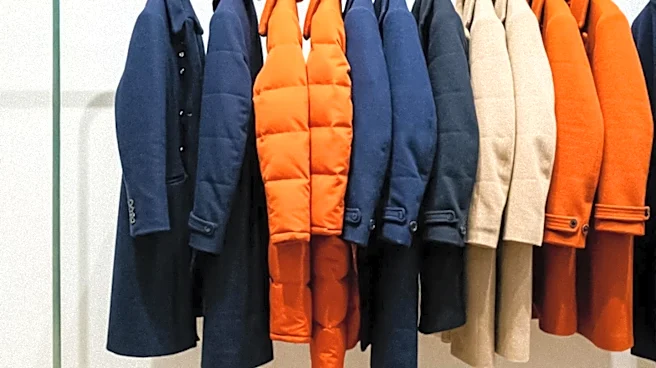
Compact wool feels entirely different. Because the fibers are tightly interlocked, the surface is smoother and has a felt-like feel. It's less 'fluffy' and more solid. This density gives it a stiffer, more structural drape. It holds its shape exceptionally well, which is why it’s a favorite for tailored garments like structured jackets, sharp-looking coats, and blazers that need to maintain clean lines. It stands away from the body rather than clinging to it.
The Warmth Factor: Insulation vs. Wind Resistance
Both wool types are warm, but they protect you from the cold in different ways. Heavy wool's warmth comes primarily from its thickness. The sheer volume of fiber traps a large amount of air, which is a fantastic natural insulator. However, if the weave or knit is loose, wind can cut through it, which is why you often need to layer a wind-breaking shell over a chunky sweater.
Compact wool is the undisputed champion of wind resistance. Its dense, felted structure creates a formidable barrier that wind struggles to penetrate. While it may not always feel as thick as a heavy knit, its ability to block cold air makes it incredibly effective for outerwear. It’s also naturally more water-repellent for the same reason; the tight fibers make it harder for moisture to seep through quickly.
Best Use Case: Choosing the Right Wool for the Job
Picking between the two comes down to the intended purpose. Go for 'heavy wool' when you want that classic, plush, and cozy feeling. It’s perfect for:
- Thick, comfortable sweaters meant for layering.
- Warm, heavy blankets for the sofa or bed.
- Rustic, traditional outerwear where you can layer underneath.
Choose 'compact wool' when you need structure, durability, and weather protection. Its best uses include:
- Tailored winter coats and jackets that need to block wind.
- Unlined outerwear, since the fabric is dense enough to not require it.
- Structured cardigans, hats, and slippers that need to hold their shape and resist wear and tear.