


1. The Tonal Texture Play
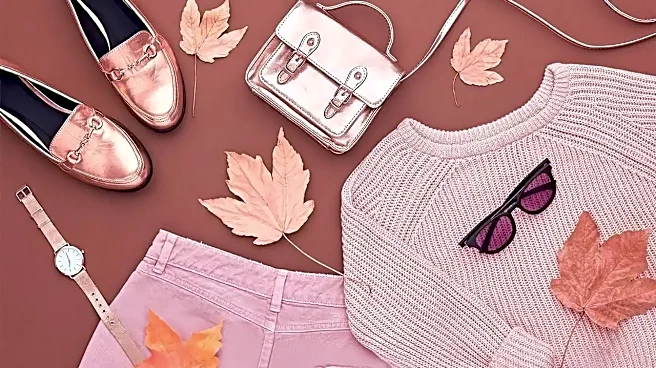
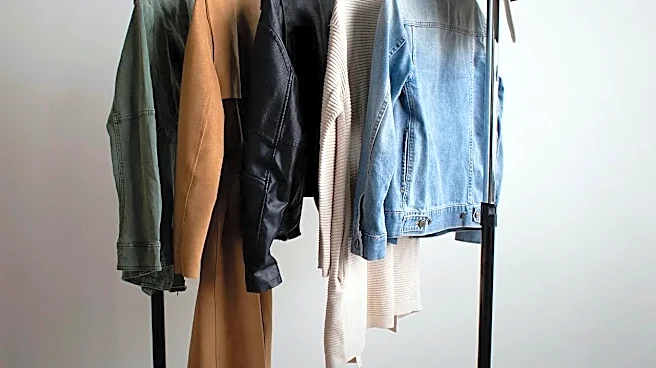
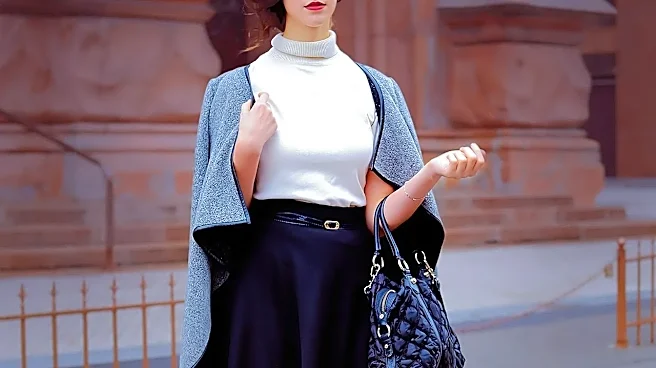
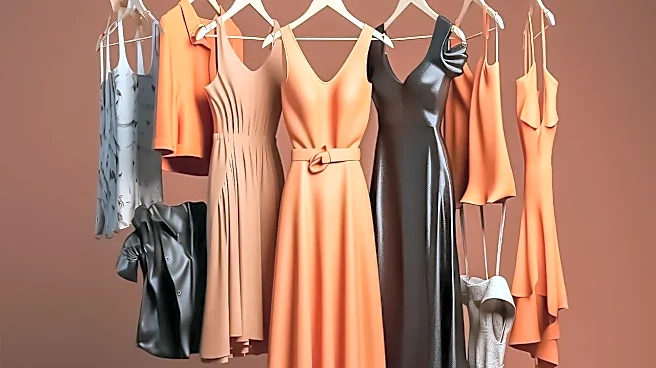
The easiest way to look considered and chic without color is to focus on texture. This is a cornerstone of the art-world uniform. Instead of a simple all-black outfit, think about combining different materials. Pair sleek leather trousers with a chunky
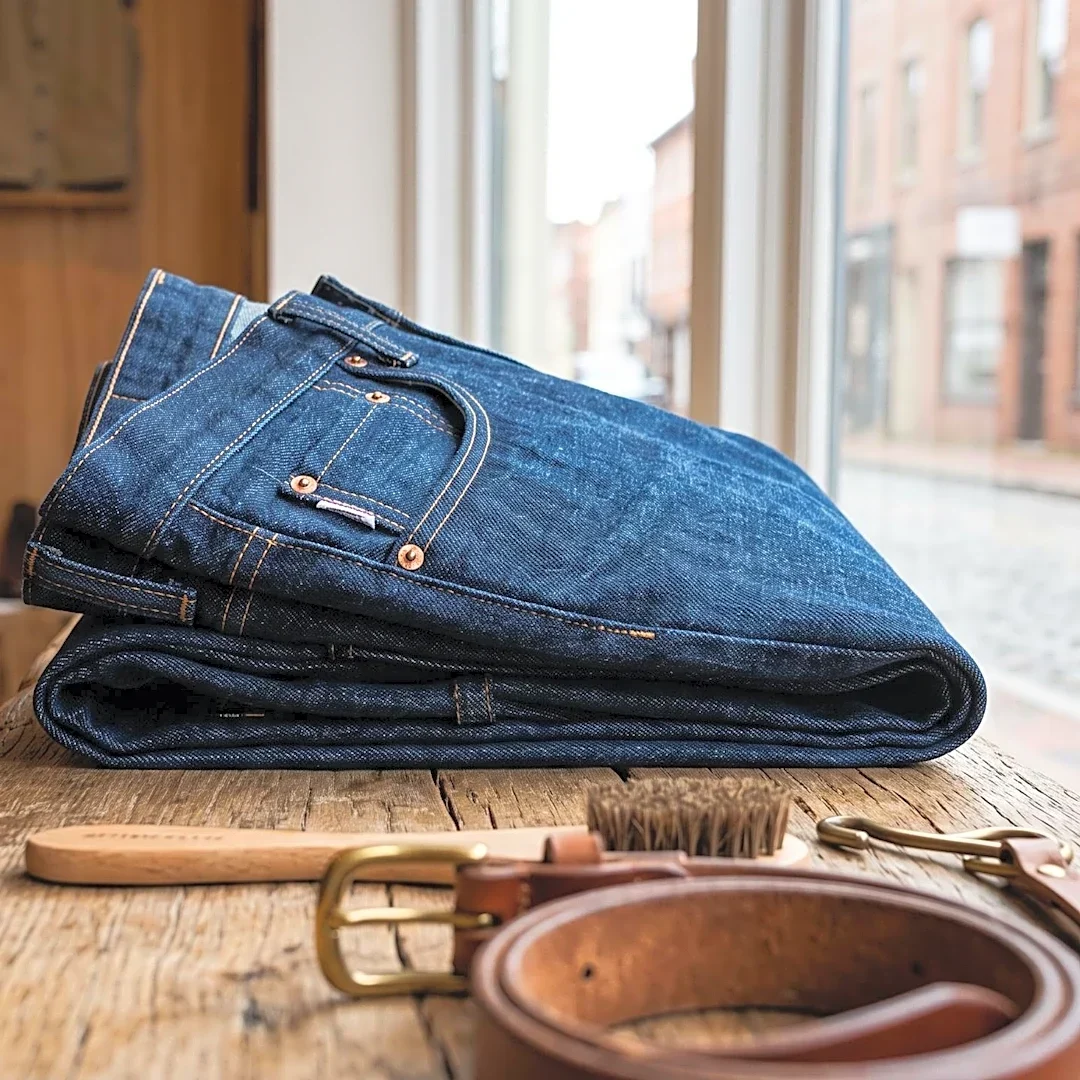
cashmere knit, or a silk slip skirt with a rugged, oversized denim jacket. The key is to stay within one color family—be it black, ivory, navy, or camel—and let the contrasting surfaces create visual interest. This approach whispers 'I have great taste' rather than shouting 'I follow trends'. It’s a quiet statement that speaks volumes about quality and thoughtfulness.
2. The Architectural Basic
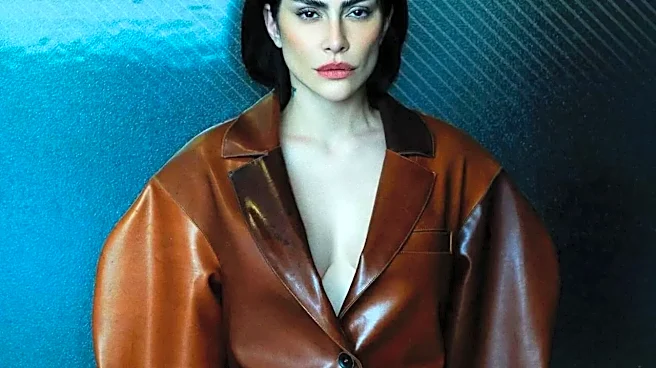
This formula is about taking one everyday item and choosing a version with an unconventional silhouette. Swap your standard blazer for one with a dramatically oversized fit, a nipped-in waist, or an unusual lapel. Trade your regular trousers for a wide-leg or barrel-shaped pair. The trick is to keep the rest of the outfit extremely simple. If your pants are the 'weird' piece, pair them with a plain white tee or a simple crewneck sweater and classic footwear. This creates a focal point and shows a sophisticated understanding of shape and proportion, proving that you can be interesting without being loud. It's fashion as sculpture, and you are the discerning curator.
3. The Utilitarian Uniform
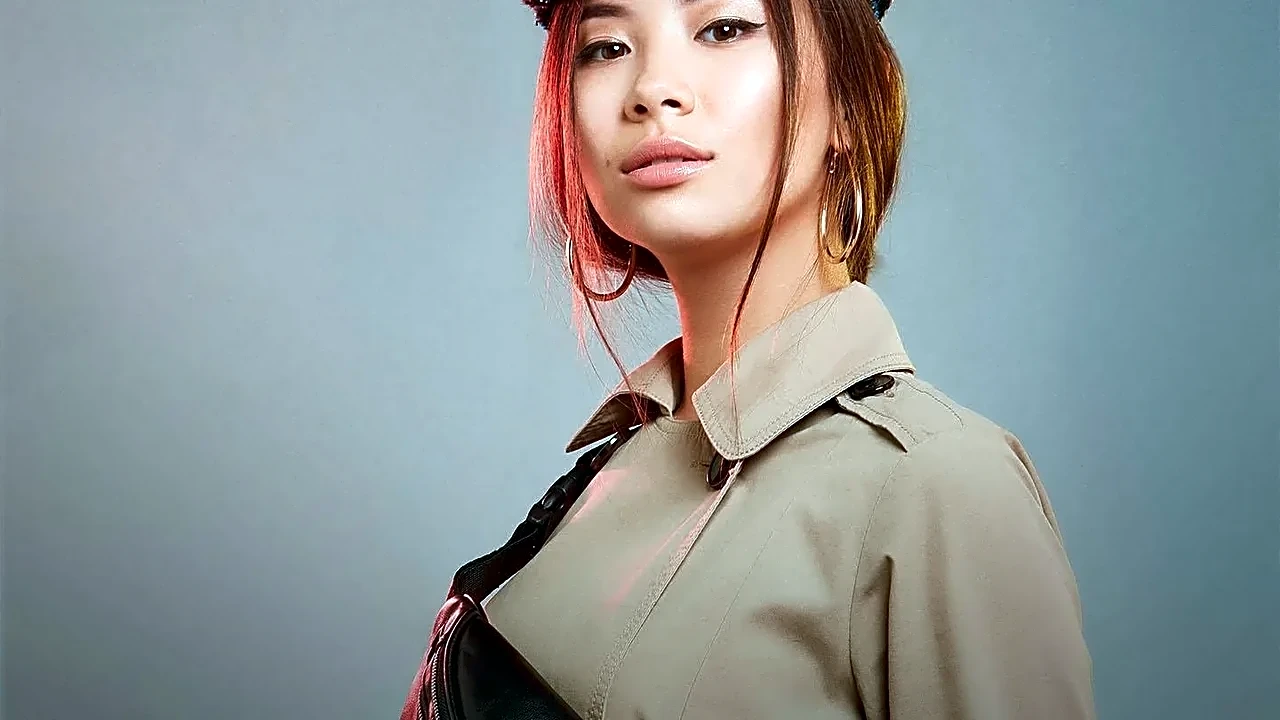
Art fairs involve a lot of walking, and seasoned attendees dress for it. This has given rise to a kind of elevated utilitarianism. Think high-end workwear pieces that are both practical and stylish. A well-cut chore coat in canvas or a sturdy twill, worn over a simple dress or with tailored trousers, is a perfect example. Other staples include structured tote bags that can actually hold things, elegant flat shoes like loafers or brogues, and high-quality sneakers that aren't for the gym. The look says you're practical and prepared, but you make it fashion. It’s an anti-fashion stance that, ironically, is the height of art-world style.
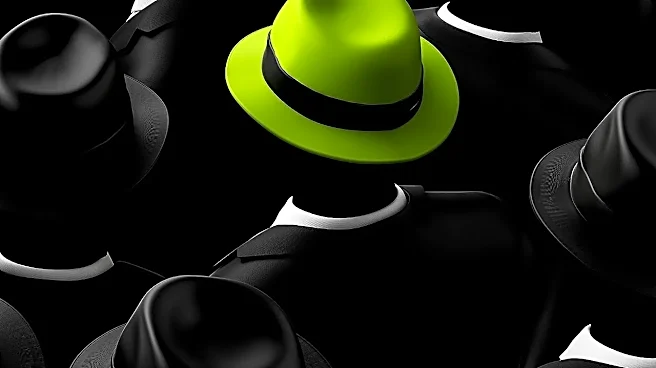
4. The Single Pop of 'Art' Color
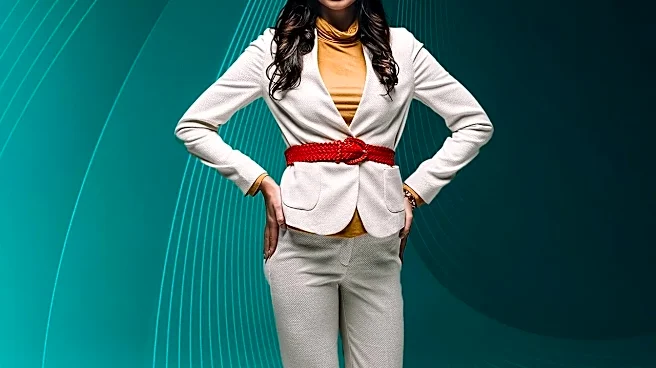
While many art-world insiders stick to a neutral palette, a flash of bold, deliberate color is a common and effective style move. The formula is simple: a head-to-toe neutral outfit (see formula #1) provides the canvas, and one strategic accessory provides the punch. This could be a handbag in a shocking Yves Klein blue, a scarf in a vibrant Gerhard Richter yellow, or shoes in a primary Mondrian red. The color should feel intentional and isolated. It shouldn't match anything else in the outfit. This small act of rebellion against the monochrome signals creativity and confidence, showing you know the rules so you can break one of them beautifully.
5. The Modernist's Vintage
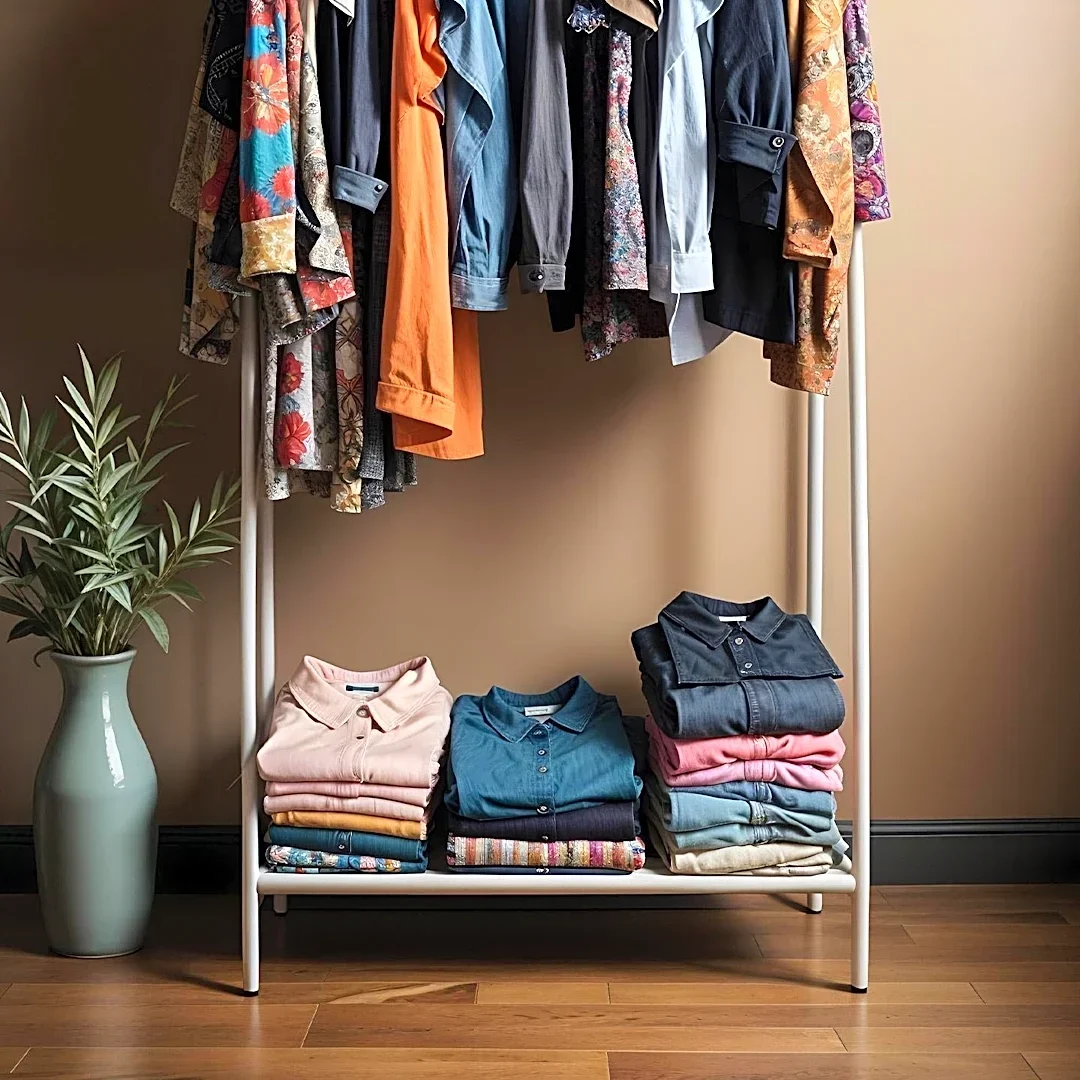
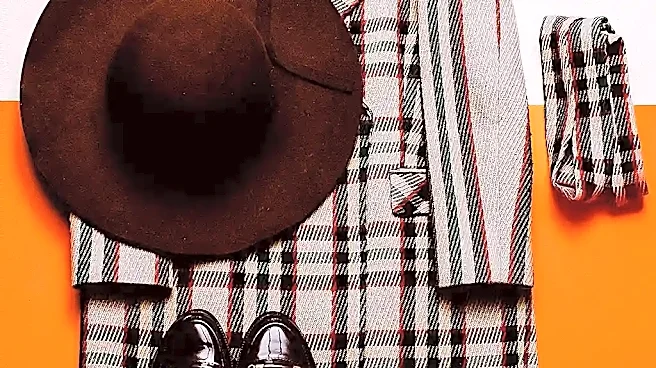
The art world has a deep appreciation for history and things with a story, and this extends to clothing. This formula involves integrating a single, compelling vintage or thrifted piece into an otherwise modern and minimalist wardrobe. Picture a vintage men's trench coat thrown over a simple black dress, or a 1970s-era printed blouse tucked into sharp, contemporary trousers. The juxtaposition is what makes it work. The vintage piece adds character and a sense of uniqueness that can't be bought off a rack, while the modern elements keep the look from feeling like a costume. It’s a sustainable approach that also ensures your look is entirely your own.