



The Age of Opulence and Ambition
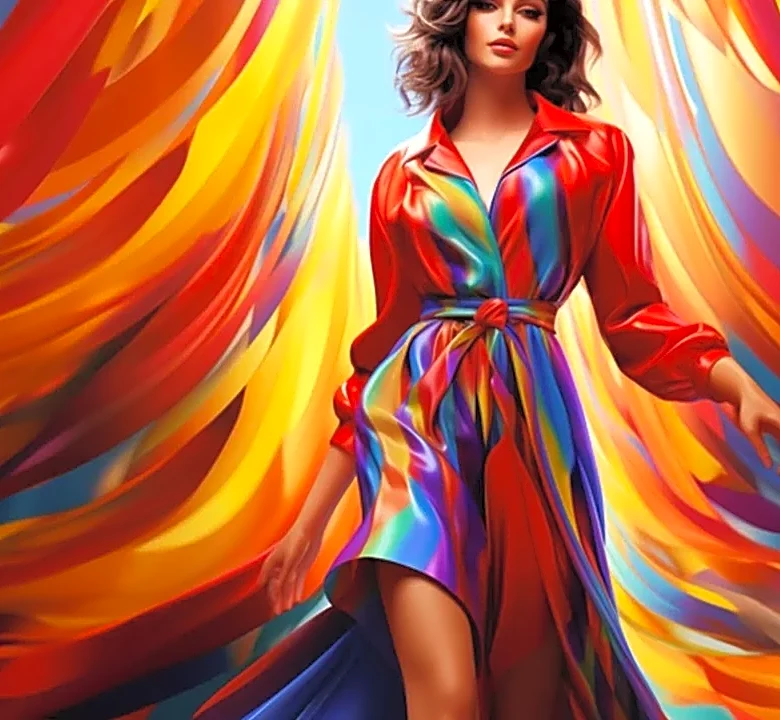
To understand grunge, you first have to picture what it was fighting against. The 1980s were defined by a philosophy of 'more is more.' Fashion was a tool for projecting power, wealth, and ambition. Think of the formidable shoulder pads in women's power suits,
designed to command space in the corporate world. On the streets, it was an explosion of vibrant, often neon colors, high-maintenance big hair, and a celebration of conspicuous consumerism. Style was polished, expensive, and theatrical. Hair metal bands sported spandex and makeup, while pop icons set trends for layered, flashy accessories. This was the era of 'dress for success,' a time when looking the part was everything, and the part was almost always glamorous and overtly wealthy.
A Dreary Sound from the Pacific Northwest
As the 1980s curdled into the economic recession of the early 1990s, a new sound began to bubble up from the rainy, overcast skies of Seattle, Washington. Bands like Nirvana, Pearl Jam, and Soundgarden pioneered a genre that was the sonic opposite of 80s pop: it was raw, distorted, and full of angst-filled lyrics about alienation and disillusionment. Their style wasn't a style at all, at first. It was just what they wore. In the damp, chilly Pacific Northwest, practical, durable clothing was a necessity. Musicians and their fans wore what was cheap and functional: flannel shirts for warmth, ripped jeans that had been worn to death, and sturdy work boots like Doc Martens. These weren't fashion choices; they were the affordable, practical contents of their closets, often sourced from local thrift stores.
An Anti-Fashion Statement
When the Seattle sound exploded into the mainstream, this utilitarian, working-class wardrobe became the uniform of a generation. Grunge was a direct, visceral rejection of the 1980s' manufactured perfection. Where the 80s had sharp, body-defining silhouettes, grunge offered baggy, oversized layers that obscured the body. Where the 80s had designer logos, grunge had faded, second-hand band tees. The pristine, styled look of the previous decade was replaced by an aesthetic of deliberate imperfection: unkempt hair, mismatched layers, and a general air of not caring. This 'anti-fashion' stance was its core philosophy. In a world that felt increasingly inauthentic and corporate, dressing down was a way to signal your withdrawal from the rat race.
More Than Just Clothing
Ultimately, grunge style was a philosophy worn on your sleeve. It was an expression of Generation X's skepticism and apathy toward the social and corporate structures they were inheriting. It rejected the slick consumerism of the 80s and instead championed values like authenticity and individualism. The look was inclusive and androgynous by nature; men like Kurt Cobain would wear dresses, while women adopted the same oversized flannels and combat boots as their male counterparts. This wasn't about theatricality, but about dismantling the idea that clothes had to project a specific, polished identity. Ironically, this movement built on rejecting fashion became one of the most influential commercial trends of the decade, as designers like Marc Jacobs famously put expensive silk flannels on the runway, cementing grunge's place in fashion history.