
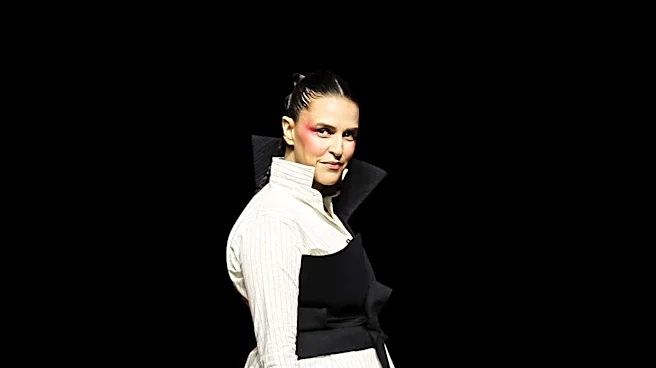
The Rise of the Red Carpet Rewear
Not long ago, a celebrity wearing the same gown twice to a major event would have been a fashion faux pas. Today, it’s a power move. From Cate Blanchett, the unofficial patron saint of repeating outfits, to Viola Davis, A-listers are proudly recycling
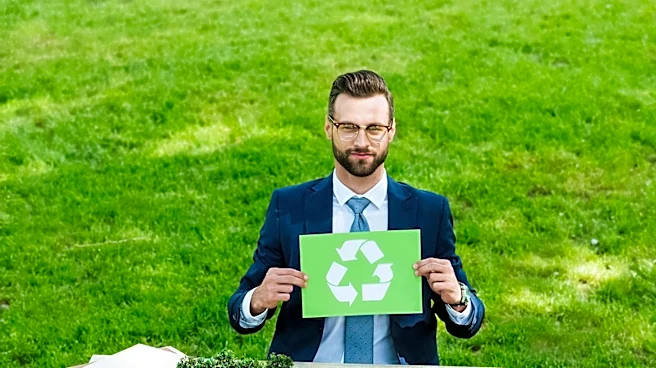
their high-fashion looks. This shift isn’t about a lack of options; it’s a conscious statement. In an era where sustainability is increasingly valued, rewearing a designer piece signals confidence, style intelligence, and an appreciation for craftsmanship over fleeting trends. Celebrities are using their platforms to show that a beautiful garment deserves more than a single outing, transforming the red carpet from a runway of disposability to a gallery of timeless, cherished art.
More Than Just a Wardrobe Pull
But here’s the secret: a celebrity doesn't just pull a multi-year-old couture gown from the back of the closet and show up looking flawless. Making a re-worn dress look perfect for another premiere requires immense skill. This is where the alterations specialist steps in. Bodies change, style sensibilities evolve, and what worked for one event might need a complete refresh for another. A simple tweak can make a look feel new again. Viola Davis, for instance, updated a previously worn Gucci dress by changing the sleeves, giving it a fresh pop of color for its second red carpet appearance. Keira Knightley famously repurposed her wedding dress for multiple events, styling it differently each time. These aren't just minor fixes; they are often complete reconsiderations of the garment's form and function.
The Unsung Heroes of Sustainable Style
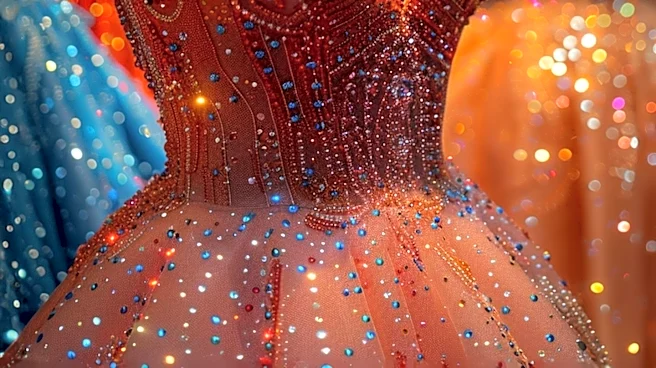
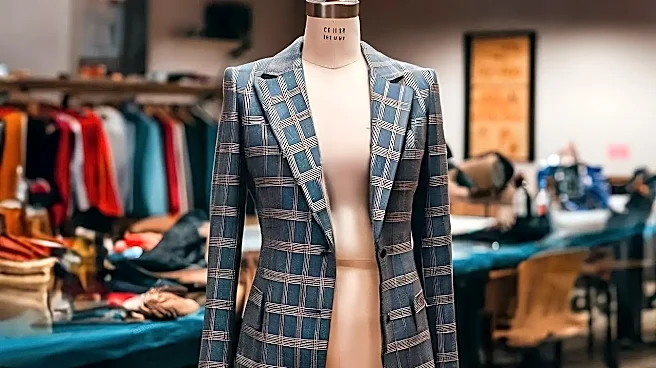
Alterations specialists and tailors are the unsung heroes of this new, more sustainable era of premiere style. Their work is the bridge between owning a beautiful dress and actually wearing it again. The skills required go far beyond simple hemming. These artisans might deconstruct a delicate beaded bodice, reshape a silhouette to feel more current, or completely reimagine a neckline. They are part surgeons, part engineers, and part designers, breathing new life into priceless garments. As the demand for re-wearing grows, so does the reliance on these highly skilled professionals. They are no longer just providing a service; they are becoming essential collaborators in the styling process, ensuring a vintage piece fits a modern moment perfectly. This trend elevates their craft, turning it from a background necessity into a celebrated art form.
A New Definition of Luxury
The rise of the rewear signals a fundamental shift in what we consider luxury. It’s moving away from the loud declaration of “newness” and toward the quiet confidence of “timelessness.” Investing in a high-quality piece and having it tailored and re-tailored over the years is becoming the ultimate status symbol. This mindset encourages a more mindful approach to consumption, where quality and longevity triumph over impulse buys. By choosing to alter instead of discard, celebrities are championing a circular economy and placing a new premium on the artisans who make it possible. The tailor's work becomes an investment in the garment's future, ensuring a piece of fashion history can be worn for years to come. This not only reduces textile waste but also supports local economies and the skilled labor that underpins the entire fashion ecosystem.