






The Game-Changing Original
In 1978, director John Carpenter and producer Debra Hill made a film on a shoestring budget that would accidentally invent a genre. 'Halloween' was terrifyingly simple: an escaped patient, Michael Myers, returns to his hometown to stalk a babysitter,
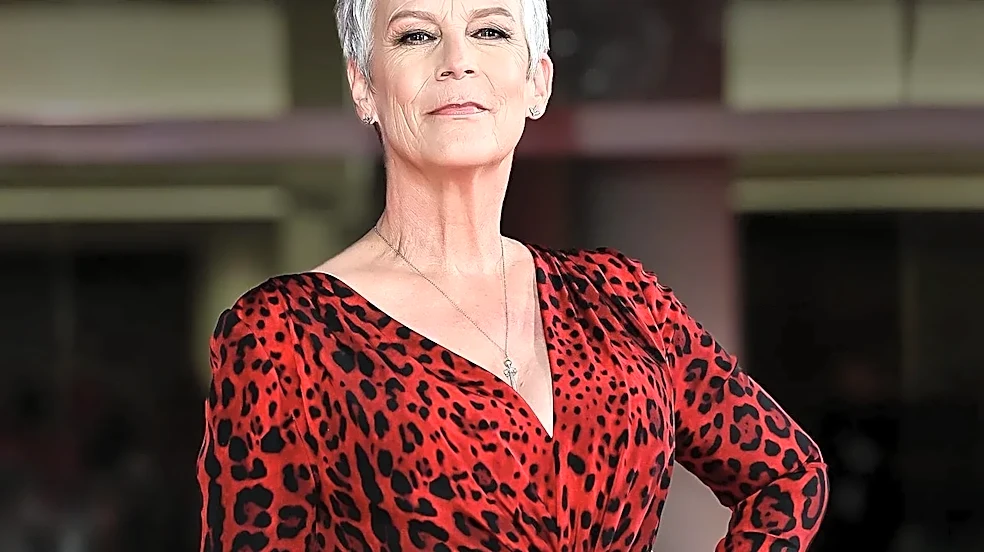
Laurie Strode, played by a then-unknown Jamie Lee Curtis. Made for around $325,000, it was a masterclass in suspense over gore. Carpenter’s minimalist piano score became as iconic as Myers’ blank, white mask. The film was a runaway success, grossing around $70 million worldwide and becoming one of the most profitable independent films ever made. It didn't just make money; it established the rules of the slasher film that countless movies would follow for decades.
The Sequel Machine and Sibling Rivalry
Success demanded a sequel. 'Halloween II' (1981) picked up moments after the original ended, but with a bigger budget of $2.5 million, it also added more graphic violence to compete with the slashers it had inspired. It also introduced a fateful, and later regretted, plot twist: Laurie Strode was Michael’s sister. This single detail, conceived by Carpenter and Hill to create a story for a sequel they were reluctant to make, would define the franchise for the next two decades. After the Michael-less 'Halloween III: Season of the Witch' (1982) flopped with audiences who wanted their slasher back, the series churned out sequels of diminishing returns that followed Michael hunting his bloodline.
The Maze of Reboots and Retcons
By the late 90s, the timeline was a mess. The franchise attempted its first major reset with 'Halloween H20: 20 Years Later' (1998), which brought back Jamie Lee Curtis as Laurie and ignored the convoluted sequels that came after 'Halloween II'. After that timeline fizzled, rocker-turned-director Rob Zombie was hired to completely reboot the series with 'Halloween' (2007) and its 2009 sequel, offering a grittier, more brutal origin story for Michael Myers. But the most successful reinvention came in 2018 when director David Gordon Green and production company Blumhouse launched a new trilogy. Their film, also titled 'Halloween', erased every single sequel, serving as a direct follow-up to the 1978 original. Crucially, it also erased the sibling connection, returning Michael to a figure of random, motiveless evil.
The Keys to an Unkillable Franchise
So why does 'Halloween' endure? Part of it is the terrifyingly simple appeal of Michael Myers—'The Shape,' as he was originally called. He isn't a wisecracking demon or a vengeful zombie; he is a silent, unknowable force of nature. His blank mask allows audiences to project their own fears onto him. But the secret weapon has always been Laurie Strode. Jamie Lee Curtis’s portrayal of the resourceful 'final girl' created a hero as compelling as the villain. The 2018 Blumhouse trilogy, which grossed over $255 million worldwide, proved this by focusing on Laurie’s generational trauma and her transformation from victim to warrior. With John Carpenter often returning to consult and compose new music, the franchise has found a way to honor its roots while constantly reinventing itself for new generations.