






The Anthem That Defines Everything
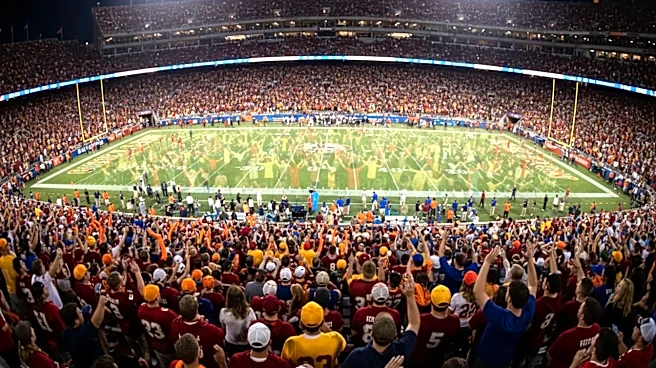
Every powerful fan base has its hymn. Think of the moment before a big game in Ann Arbor when 100,000 people swell with pride as the band strikes up “The Victors.” That song isn't just music; it’s a statement of identity, a history lesson, and a declaration
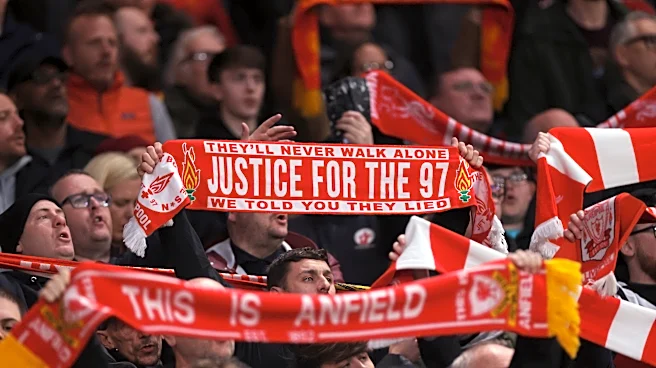
of faith all in one. It’s the sound of Michigan Football. Now, switch continents and imagine yourself at Anfield in England. As the Liverpool players walk out, the entire stadium sings “You’ll Never Walk Alone.” It’s a borrowed show tune that, through decades of repetition, has become the club's soul. It’s a promise to the players and to each other. A college fan hearing this for the first time doesn’t need to know the words to understand its function. They’ve felt that same collective power in their own stadium. It’s the sound of belonging, whether you’re yelling “Roll Tide” or singing about walking through a storm.
The Art of Getting Under Their Skin
Let’s be honest: a huge part of fandom is reminding your rival exactly who they are and where they stand. In the SEC, this has been elevated to an art form. There’s nothing in sports quite like the University of Alabama’s “Rammer Jammer” chant, sung moments after a victory to mercilessly taunt the defeated opponent. It’s structured, pointed, and absolutely brutal. Across the Atlantic, this same spirit is the bedrock of British fan culture. While they may not have a single, universal chant like “Rammer Jammer,” the tradition of creative, lyrical insults is deeply ingrained. They invent songs to mock a rival's star player, their town, or a recent embarrassing loss. An American fan accustomed to the pointed jabs of a heated college rivalry will instantly recognize the purpose behind these chants. The melody might be different, but the goal is identical: live in their heads, rent-free.
The Power of a Simple Gesture
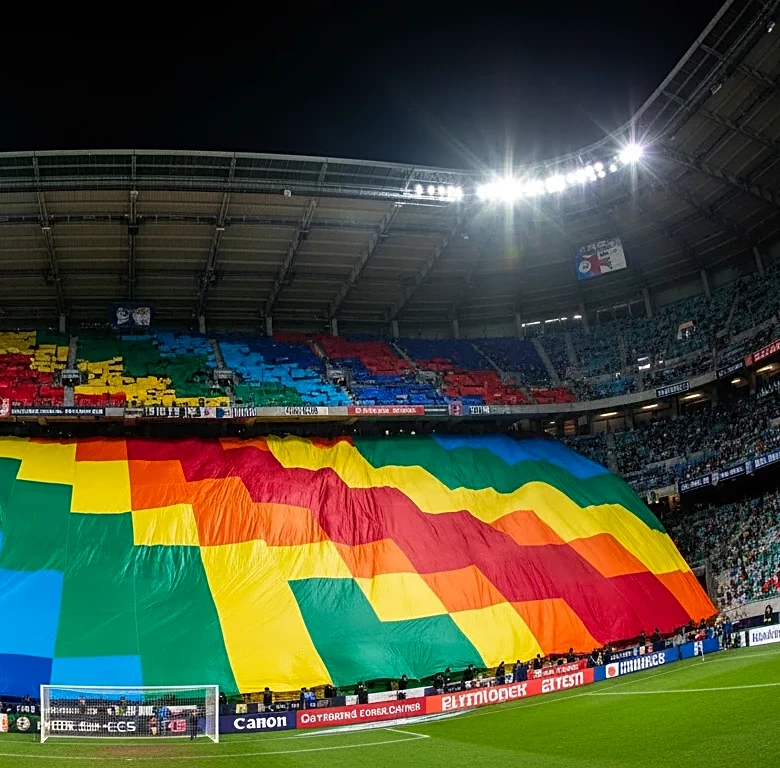
Sometimes, the most powerful statements are the simplest. Picture 90,000 fans in Gainesville doing the “Gator Chomp” in unison. Or Florida State fans performing the “Tomahawk Chop.” These aren’t complex symphonies; they are simple, rhythmic, and visually intimidating acts of unity. The goal is to create a singular, overwhelming force that seems to move the very air in the stadium. This is a universal language in global soccer. The famous “Viking Thunder Clap,” popularized by Iceland's national team, uses the same principle: a slow, accelerating, rhythmic clap that grows into a deafening roar. Even the simple, worldwide chant of “Olé, Olé, Olé,” which tracks the ball as a team possesses it, serves the same purpose. It doesn't require a translator. Any fan who has ever participated in a stadium-wide, synchronized action instinctively understands the power and intimidation behind thousands of people acting as one.
Songs That Became Something More
Fan culture is brilliant at appropriation. It takes something from the outside world and makes it its own. At Virginia Tech, the stadium entrance to Metallica’s “Enter Sandman” has become one of the most electric moments in sports, causing the stands to literally shake. At the University of Wisconsin, the fourth quarter begins with the entire stadium losing its mind to House of Pain’s “Jump Around.” These aren’t school fight songs; they are adopted anthems. Soccer fans are the undisputed world champions of this. The riff from The White Stripes' “Seven Nation Army” became the unofficial theme of Italy's 2006 World Cup victory and is now a global soccer staple. Fans constantly repurpose pop songs, changing the lyrics to celebrate their own players or mock rivals. So when a college football fan hears a familiar pop melody with unfamiliar, team-specific lyrics, they get it instantly. It's the same creative impulse that turned a heavy metal song into a Hokie tradition.