







Pitch
Let’s start with the basics. The 'pitch' is simply the field of play. If you're looking for a hockey equivalent, this is your 'ice' or 'rink.' It’s the surface where the action happens. So when a commentator says a player 'covers every blade of grass
on the pitch,' they're just describing a high-motor player who is constantly moving, much like a relentless forechecker covering all 200 feet of the rink. Simple enough, but it’s the foundation for everything else.
Nil
This one sounds far more elegant than its meaning. 'Nil' is just the British English term for zero. A 2-0 game is 'two-nil.' It’s the same as hearing 'nothing' or 'zip.' While a 'nil-nil draw' might sound like a boring affair, it can often be the result of a spectacular goaltending duel. Think of it as the soccer equivalent of a 0-0 game heading into overtime thanks to two goalies standing on their heads. The word is different, but the tension of a potential shutout is exactly the same.
Kit
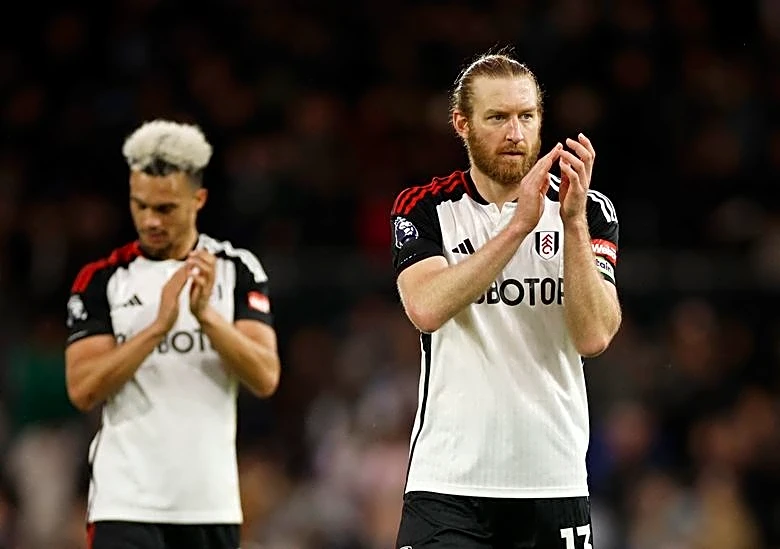
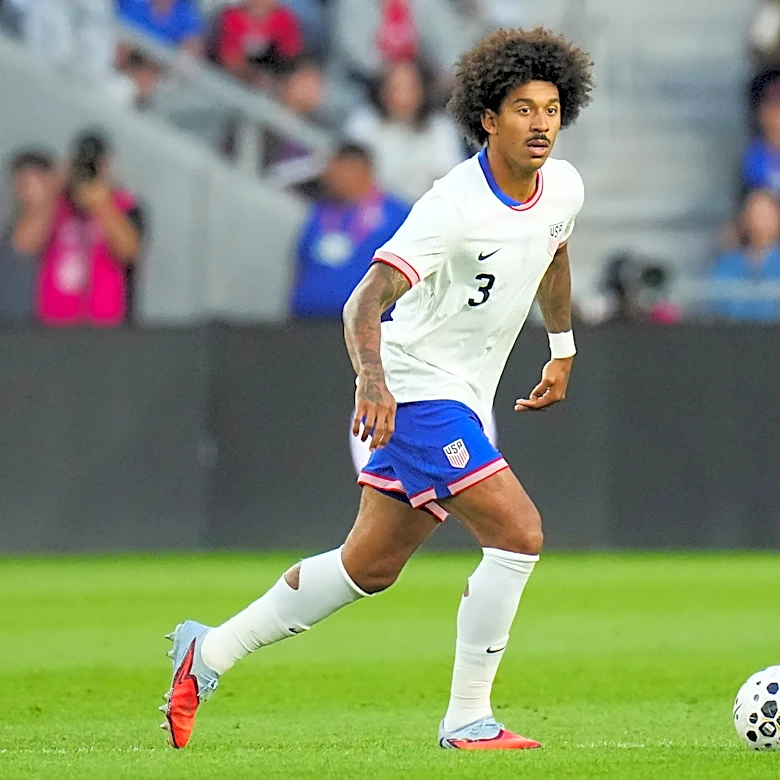
You won't hear anyone talking about a player's 'jersey' or 'uniform.' In the soccer world, the entire uniform—jersey, shorts, and socks—is called the 'kit.' You might hear about a team’s 'home kit' or 'away kit,' or even a special 'third kit.' It’s the exact same concept as a team having home (usually dark) and away (usually white) sweaters in the NHL. It’s just a different word for the team's complete on-field attire.
Stoppage Time (or Injury Time)
This is one of the most confusing concepts for North American sports fans. In hockey, the clock stops for every whistle. In soccer, the clock runs continuously for 45 minutes each half. 'Stoppage time' is the time added at the end of each half by the referee to compensate for delays like injuries, substitutions, or goal celebrations. It’s not a precise science; it's the ref's best guess. The closest hockey parallel is the chaotic final minute with the goalie pulled—a frantic, unpredictable period where a goal can come at any second before the final horn, except here, you don't know exactly when that final 'horn' will blow.
Brace
Hockey has its iconic 'hat trick' for a three-goal game, and soccer does too. But soccer also gives a special name to a two-goal performance: a 'brace.' If a player scores twice, the commentator will say they've 'bagged a brace.' There's no direct hockey equivalent, as we don't have a special term for a two-goal game. Think of it as a specific milestone that gets its own shout-out, acknowledging a great performance that’s a step below the legendary hat trick.
Clean Sheet
This is the soccer term for a shutout. If a team finishes a game without conceding a goal, their goalkeeper and defense have 'kept a clean sheet.' The term originates from the idea of the scorekeeper's sheet remaining clean of any marks in the 'goals against' column for that team. So when you hear that a keeper is fighting to protect their clean sheet, you know exactly what that means: it's the third period, your team is up 2-0, and you're screaming at the TV for everyone to block shots and clear the crease.
VAR (Video Assistant Referee)
Welcome to soccer's version of the NHL's Situation Room in Toronto. VAR is a team of officials watching the game from a video room, ready to review specific, game-changing situations: goals (was there an offside or foul in the buildup?), penalty kick decisions, and direct red cards. Like a lengthy NHL offside or goalie interference review, it often involves long, agonizing delays, players standing around waiting, and a decision that leaves one set of fans furious. The technology is different, but the gut-wrenching drama and controversy are universal.