


Twelve Yards of Solitude
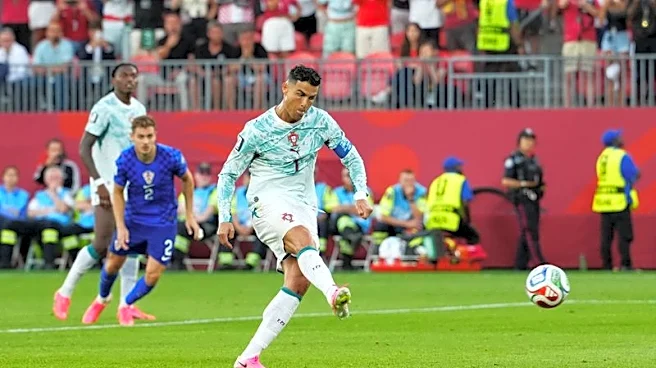
After two hours of running, tackling, and teamwork, the penalty shootout feels like a different sport entirely. It’s a static, psychological duel that isolates a single player against a goalkeeper with the weight of a nation’s hopes on their shoulders.
The physical act is simple, yet the mental burden is immense. Studies on the psychology of penalties reveal a fascinating battle against fear. Players who focus on the glory of winning have a much higher success rate than those paralyzed by the fear of losing. Under pressure, fine motor skills can break down, and actions that are automatic in training suddenly become fraught with conscious, debilitating thought. The walk from the center circle to the penalty spot is often described as the longest journey in sports, a lonely march toward a moment that will be remembered forever, for better or for worse.
The Man Who Carried the Cross
Any discussion of decisive penalties begins and ends with Roberto Baggio at the 1994 World Cup final. Played in the searing heat of Pasadena, California, the match between Italy and Brazil was a tense, scoreless affair that ultimately went to a shootout. Baggio, nicknamed 'The Divine Ponytail,' had been Italy's savior throughout the tournament, scoring crucial goals to drag his team to the final. He was the last man you’d expect to fail. But with Italy needing to score to stay alive, Baggio stepped up and famously blazed his shot over the crossbar. The image of him standing motionless, head bowed, as the Brazilian team erupted in celebration became one of soccer’s most enduring portraits of heartbreak. Baggio later said the moment haunted him for years, admitting, "If I could erase a moment from my career, it would be that one." It was a tragic end to an otherwise magnificent tournament for one of the game's greats.
The High-Wire Act of Audacity
Not all penalty takers approach the moment with fear. Some meet it with a defiant swagger, attempting a high-risk, high-reward shot known as the 'Panenka.' Named after Antonín Panenka, who audaciously chipped the ball down the middle to win the 1976 European Championship for Czechoslovakia, the move is the ultimate test of nerve. Zinedine Zidane famously pulled it off on the biggest stage, opening the scoring in the 2006 World Cup final with a delicate chip that kissed the crossbar and bounced over the line. It was a moment of sublime arrogance and skill. But when it goes wrong, it’s humiliating. The choice itself—power versus placement, safety versus audacity—becomes part of the story. It reveals a player's character in a way few other moments can, offering a split-second glimpse into their mindset under the most extreme pressure.
The Modern Agony and Ecstasy
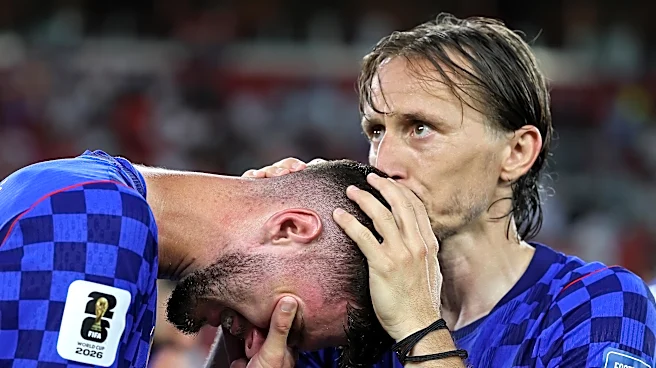
The drama of the penalty kick is a constant in modern soccer, continually creating new heroes and scapegoats. Even Lionel Messi, arguably the greatest player of all time, is not immune; he missed a critical penalty in the 2016 Copa América final shootout, a failure so devastating he briefly announced his retirement from the national team afterward. The 2026 World Cup has already provided its share of high drama. The Round of 32 saw giants like Germany and the Netherlands crash out in shootouts, with Germany losing a World Cup penalty shootout for the first time in its history. Meanwhile, Morocco and Egypt became national heroes, winning their own tense shootouts to advance, sparking massive celebrations. These moments show that the penalty kick remains soccer’s great equalizer, a stage where history is made, and where the line between triumph and despair is as thin as the width of a goalpost.