




It’s Not a Haunt; It’s an Endurance Test
Your local haunted hayride is a charming, 15-minute affair. A horror movie gives you 90 minutes of tension before the credits roll and the lights come up. Halloween Horror Nights is a different beast entirely. It isn’t a single attraction; it’s a multi-hour
psychological gauntlet. The experience involves navigating up to ten different haunted houses, each an intense, maze-like walkthrough, on top of other shows and street experiences. The sheer duration wears you down. Your adrenaline spikes in the first house, but by the third, your nerves are frayed. The brief respites you get while waiting in line only serve to build a dreadful anticipation for the next onslaught. It’s this sustained, marathon-like exposure to fear that begins to recalibrate your senses. You aren’t just being startled; your capacity for feeling safe is being systematically dismantled over the course of an entire evening.
Immersion as a Weapon
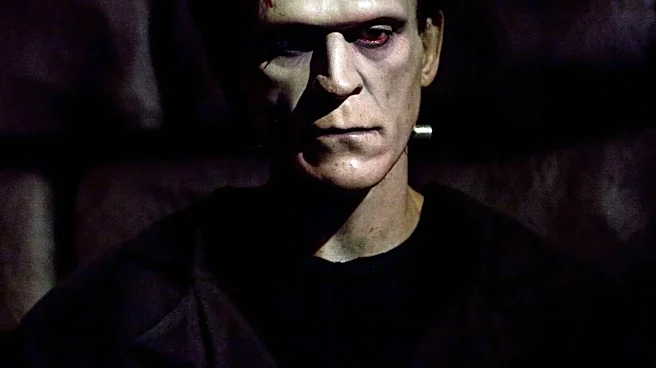
The second thing that separates HHN is the staggering production value. These aren't just dark corridors with actors in rubber masks. Universal’s creative teams, with their cinematic budgets and expertise, build worlds. When you walk into a house based on a famous horror film or TV show, you are walking onto a living, breathing set of that property. The details are obsessive: the smells, the sounds, the textures, the lighting. Your brain, which is adept at spotting a cheap façade, is tricked. It accepts the reality of the grimy spaceship, the decrepit cabin, or the zombie-infested city. This level of immersion strips away the comforting layer of intellectual distance you have when watching a screen. You’re not a viewer; you’re a participant, cast in the role of the victim. The line between what’s real and what’s performance becomes terrifyingly thin.
There Is No Safe Zone
Perhaps the most ingenious and cruel invention of Halloween Horror Nights is the "scare zone." At a typical theme park, the walk between rides is your downtime—a moment to breathe, grab a snack, and laugh about what just happened. At HHN, those walkways are transformed into open-air nightmares. One minute you're exiting a house filled with vampires, and the next you're navigating a street where chainsaw-wielding maniacs or silent, stalking creatures roam freely among the crowds. This eliminates the concept of a safe space. The tension never fully dissipates because the threat is ambient and unpredictable. This constant, low-grade state of alert is exhausting and further erodes your psychological defenses, making the jump scares inside the next house feel even more potent. There is no escape; the entire park is the attraction.
Your Fear Scale Is Permanently Broken
This is the ultimate takeaway. After hours of high-production immersion and relentless tension with no safe quarter, your internal definition of fear is fundamentally altered. The chemical cocktail of adrenaline, endorphins, and dopamine creates a powerful experience your brain won't soon forget. A jump scare in a movie now feels telegraphed and distant. Your town’s ghost tour seems quaint. You've experienced the pinnacle of manufactured terror, an art form perfected over decades. It’s a strange feeling, walking out of the park at the end of the night. The world seems quiet. You feel a sense of relief and accomplishment, but you also carry a new understanding. You now know what truly scary feels like, and everything else pales in comparison. The phrase "it wasn't that scary" is no longer a casual dismissal; it's a new benchmark, and the bar has been set impossibly high.